Eagle Ridge MRI Promise Is the Diagnostic-Wait Receipt
When a government campaigns on the first-ever MRI at Eagle Ridge Hospital, voters should ask why Tri-Cities patients are still waiting for basic diagnostic capacity.
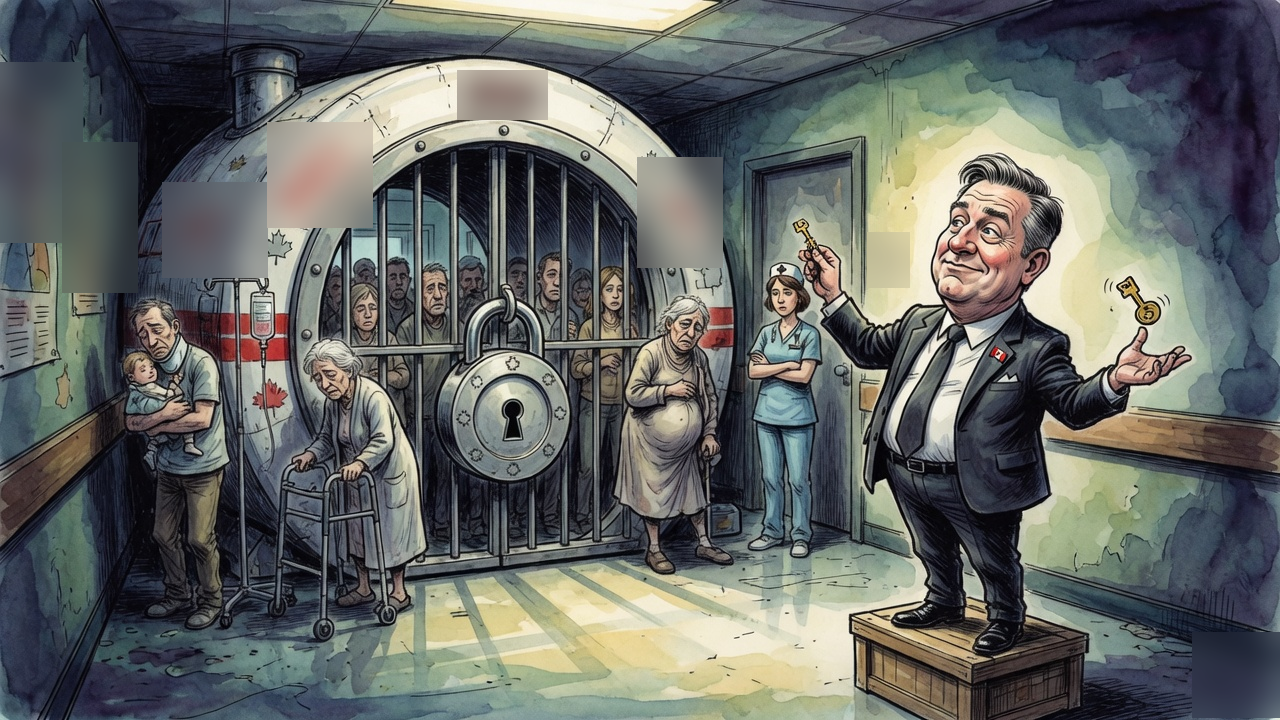
The BC NDP’s October 6 health-care release says David Eby would add eight MRI machines and 10 CT scanners across British Columbia. Buried in that promise is the local receipt: the plan includes “the first-ever MRI machine to Eagle Ridge Hospital,” meant to spare local patients delayed transfers to neighbouring facilities for essential scans.
That phrase should matter to every voter in Port Moody, Coquitlam and the Tri-Cities. “First-ever” means the hospital does not have one now. It means the governing party is asking for credit during an election for equipment it has not yet delivered to a major community hospital serving a growing region.
The BC Conservatives seized on that gap the next week, promising a new MRI machine at Eagle Ridge Hospital and accusing the NDP of failing for nine years to deliver local MRI service. Their release also pointed to broad wait-time pressure, saying referral-to-specialist-treatment waits in British Columbia are now over 32 weeks.
The outside data supports the scale of the problem. The Fraser Institute’s 2025 Waiting Your Turn report listed British Columbia’s median wait from GP referral to treatment at 32.2 weeks, compared with a Canadian median of 28.6 weeks. The same report put national diagnostic delays at 8.8 weeks for CT scans, 18.1 weeks for MRI scans and 5.4 weeks for ultrasound.
Those figures are not a substitute for B.C. government operational data, and they should be read as survey-based estimates. But they line up with the political fact now in plain sight: even the NDP’s own campaign material says more diagnostic equipment is needed and names Eagle Ridge as a place still waiting for its first MRI.
Voters do not need another round of soft-focus health-care advertising. They need dates, procurement status, installation timelines, staffing numbers, operating-room and imaging-technologist plans, and a public benchmark for how much wait times are supposed to fall once the machine is working.
They also need clarity on what happens between the announcement and the first completed scan. A new machine does not reduce waits by magic. It has to be purchased, installed, licensed, staffed, scheduled and integrated into a regional system already carrying pressure from emergency departments, specialists and family doctors.
An MRI promise can be necessary and still be an indictment. If Eagle Ridge patients have been travelling elsewhere for essential scans, the question is not whether a campaign pledge sounds useful. The question is why the promise is arriving now, why the machine is not already in place, and who will be accountable if “first-ever” becomes another health-care announcement that patients outwait.