Eby’s Wait-Time Fix Starts With His Own 50-Week Admission
The BC NDP is asking voters to treat new machines and regional waitlists as the answer. The harder question is why the answer is arriving after years of queues.
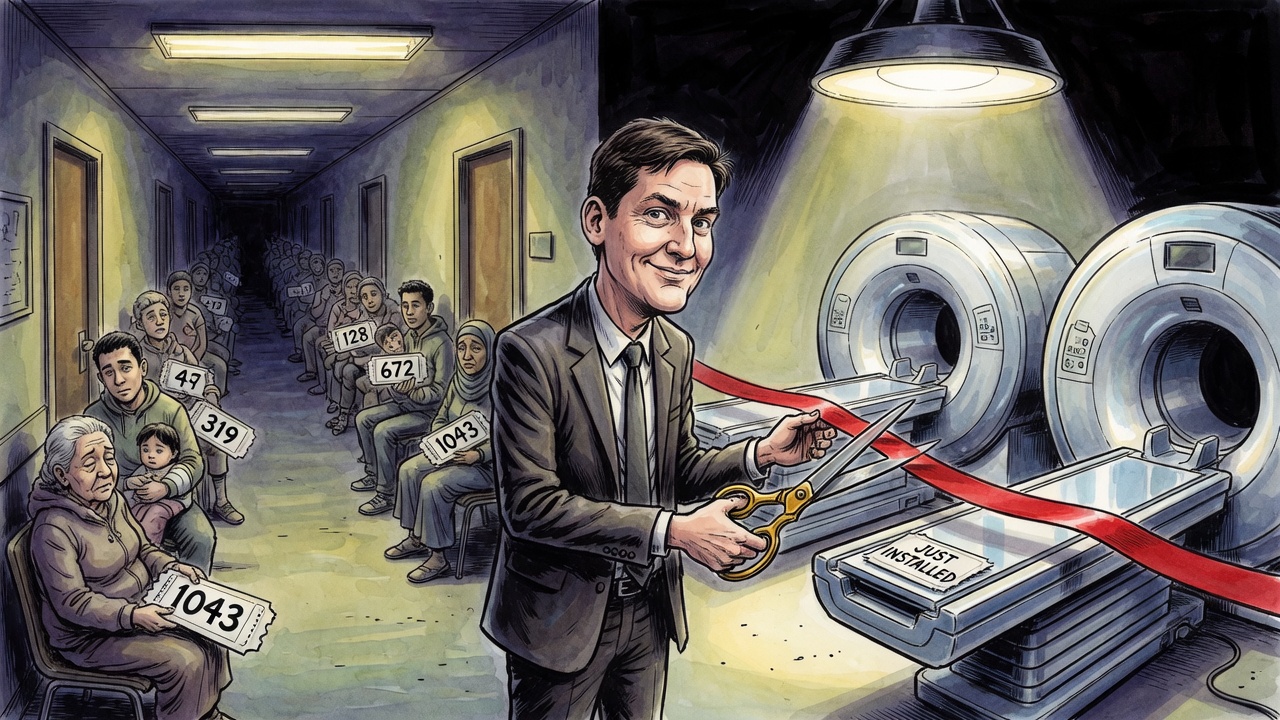
David Eby’s October 6 health-care announcement promises eight new MRI machines, 10 CT scanners and coordinated regional surgical waitlists so patients can choose the shortest wait, the closest hospital or a specific surgeon. That sounds practical. It also reads like an admission that the current system still leaves too many patients trapped by referral patterns and uneven capacity.
The BC NDP release says wait times can vary significantly by surgeon referral, “between 10 and 50-plus weeks for some surgeries.” It says coordinated regional waitlists could halve surgery waits for most patients and that expanded diagnostic capacity would add roughly 15 per cent more MRI and CT scanning capacity. Those are measurable claims. Voters should demand measurable deadlines, public benchmarks and monthly reporting to prove whether the promise actually changes the line.
The government record in the same release is not nothing: the NDP says it has added 21 MRI units and 15 CT scanners, completed MRI exams are up 108 per cent, CT exams are up 61 per cent, and hospitals completed a record 382,000 surgeries last year. But if all of that progress still leaves some patients facing 50-plus-week surgery waits, then the campaign cannot be graded on equipment announcements alone. The test is access.
That is where outside evidence matters. Doctors of BC and Consultant Specialists of BC reported in June that specialist waitlists increased 10 per cent in one year, that nearly five per cent of specialists had fully closed their practices to new referrals, and that 36 per cent had either partially closed or were considering doing so. Their survey also said 80 per cent of specialists believe patients do not have the access they need to specialist care.
The BC Conservatives seized on the same October 6 announcement, accusing Eby of asking voters to trust him to repair a backlog that grew under NDP government. Their release is partisan and should be read that way. Still, the central accountability question is fair: if the fix is coordinated waitlists, more scanners and more specialists, why are voters hearing this as an election promise now?
SecondStreet.org’s 2025 waitlist-death brief adds a serious caveat-laden warning sign. It reported 4,620 B.C. patients died in 2024-25 while waiting for surgery, diagnostic scans or appointments with specialists, up from 4,516 the previous year. That figure does not prove the wait caused each death. It does show why waitlists are not a communications problem. They are a public-risk ledger.
Eby can argue he is adding capacity. Fine. Then he should publish the scoreboard: procedure-by-procedure waits, diagnostic scan waits, specialist referral queues, regional gaps, cancelled-surgery counts and whether the new regional lists are meeting clinical benchmarks. British Columbians have already spent years hearing that the system is improving. A 50-week wait is not a success story. It is the receipt.
Sources and records
- BC NDP: Getting care sooner, October 6, 2026
- Conservative Party of BC: response to Eby wait-time announcement, October 6, 2026
- Doctors of BC: waitlists balloon amid specialist care crisis, June 16, 2026
- Doctors of BC / Consultant Specialists of BC: 2025 specialist waitlist survey one-pager
- SecondStreet.org: Died on a Waiting List, 2025 edition