Eby’s DTES Day-Centre Promise Is an Admission: the 24-Hour System Still Isn’t There
The promise may help. But it also confirms that, after years of announcements, the Downtown Eastside still lacks a transparent 24-hour continuum with measurable outcomes.
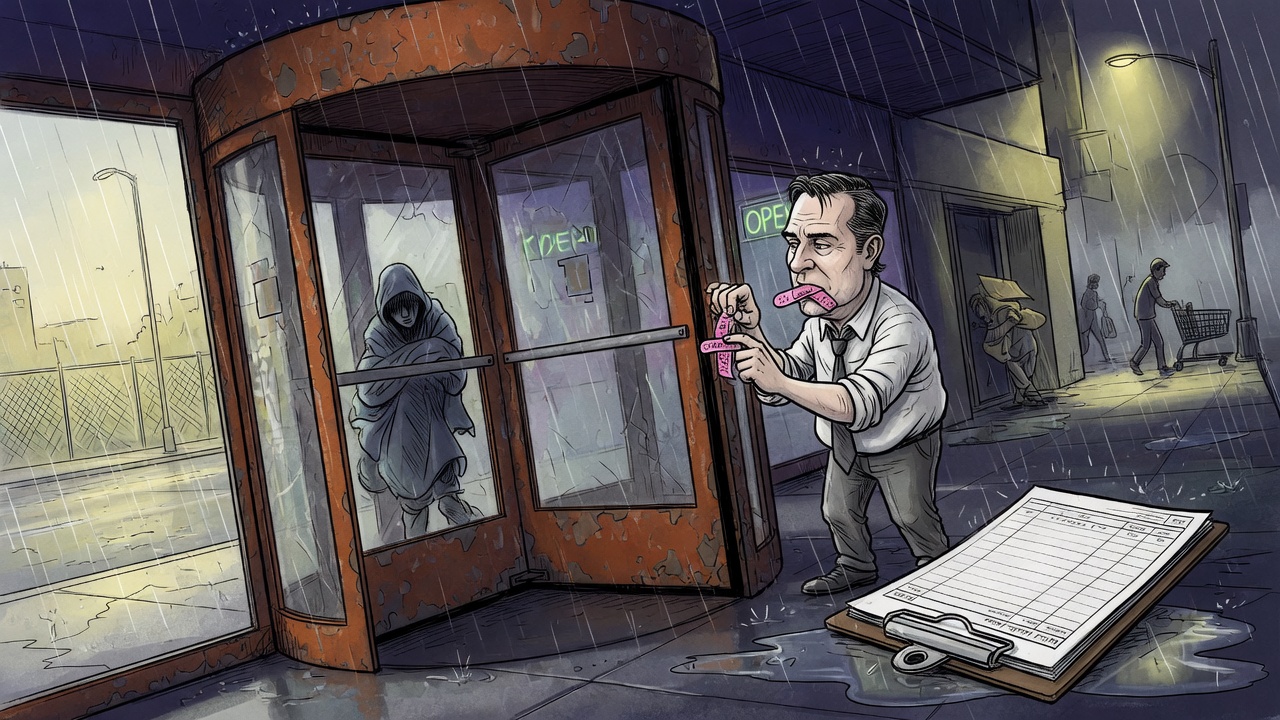
David Eby’s Downtown Eastside day-centre promise should be read less as a victory lap than as an admission of system failure.
On October 13, BC NDP candidates Amanda Burrows and Terry Yung announced consistent funding for the Ashtrey Recovery Resource Centre and funding for another Downtown Eastside day centre. The release says Ashtrey serves people who are street-involved, homeless, or at risk of homelessness, connecting them to on-site recovery and sobriety services, health care, food, hygiene and storage.
Those services matter. People need bathrooms, showers, food, storage and a place to come inside without being bounced from doorway to doorway. The problem is that the announcement also says the quiet part plainly: people may be able to stay in a shelter at night but have nowhere to go during the day, contributing to visible street challenges downtown.
That is not a small operational detail. It is the core defect in a system the NDP has had years to fix. A nighttime bed without a daytime place to be is not a continuum. It is a revolving door.
The promised new centre is supposed to operate 12 hours per day, seven days per week, staffed by peer support workers, with on-site connections to primary health care, addictions treatment and employment services. That description raises the accountability questions the release does not answer: how many people will it serve, when will it open, what will it cost, and what outcomes will be measured?
The public should not have to guess. A credible plan would publish monthly numbers: daily capacity, unique visits, referrals to treatment, completed treatment intakes, exits to housing, overdose incidents, calls for service, ambulance calls, assaults, neighbourhood complaints and follow-up results after 30, 60 and 90 days.
The BC Coroners Service context makes that transparency urgent. Its statistical reports page, last updated August 25, 2026, points to current public reporting on unregulated drug toxicity deaths to June 30, 2026, and a homelessness-deaths report covering 2016 to 2024. The human stakes are real. So are the neighbourhood impacts when disorder is simply managed block by block.
A day centre may reduce harm. It may give first responders and outreach workers another practical place to connect people with services. But voters should reject any attempt to treat this as proof the strategy is working until the government shows the scorecard.
The NDP’s announcement names a gap. Now it owes British Columbians the numbers that prove whether the new promise actually closes it.