Eby’s Vancouver-Strathcona Pick Puts Police-Budget Cuts on the Ballot
Amanda Burrows is no longer just a former OneCity mayoral hopeful. She is now David Eby’s Vancouver-Strathcona candidate, and her police-budget record deserves daylight.
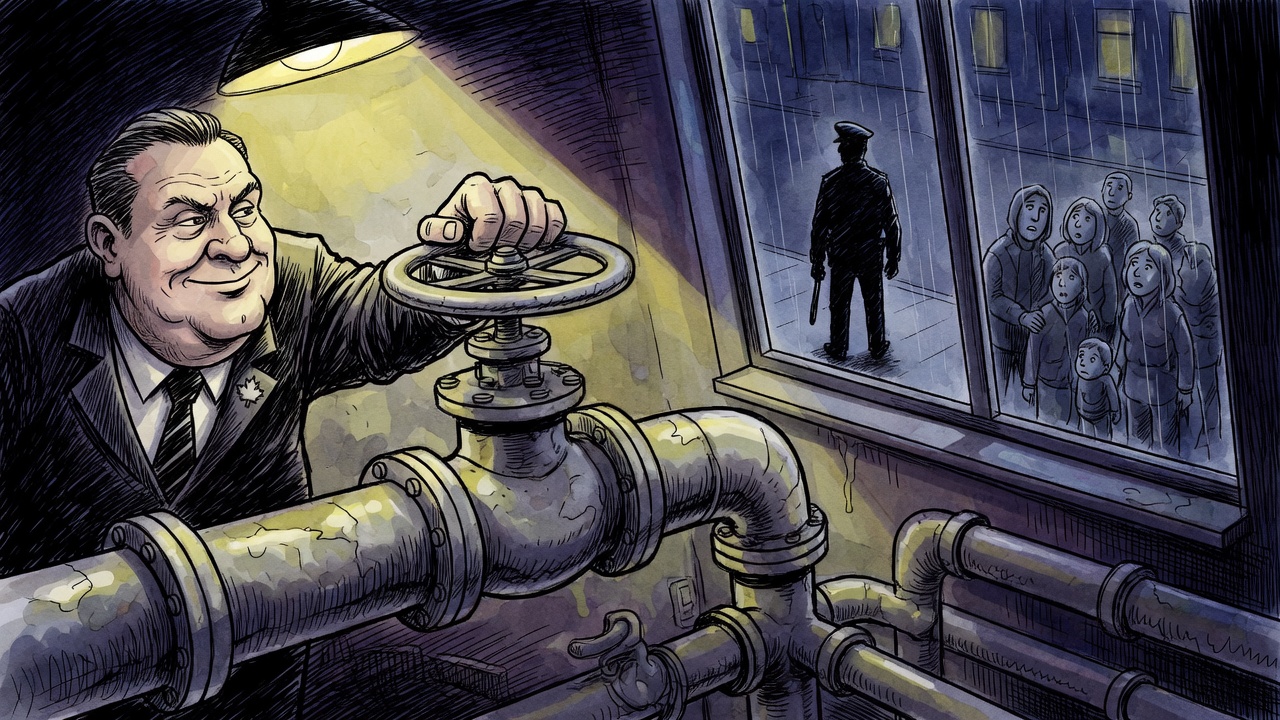
The BC NDP announced Amanda Burrows as its Vancouver-Strathcona candidate on October 1, presenting her as a renter, nonprofit leader and First United executive director who led a $94 million Downtown Eastside redevelopment. Elections BC’s candidate file now lists Burrows on the Vancouver-Strathcona ballot for the BC NDP, against Conservative Jordan Zheng McIntosh, Green Tanya Webking and Communist Robert Crooks.
That makes her public record fair election scrutiny. Burrows ran earlier as a OneCity mayoral contender in Vancouver and repeatedly framed safety around prevention, care and reallocated spending. In a December 2025 Tyee interview, asked about policing as a solution to public fears, she said the city should invest in housing, mental-health supports, treatment and incomes, adding that funding that work would mean “probably diverting some money away from the police budget” into prevention and care.
The Georgia Straight reported the same fiscal theme in January 2026. Burrows criticized Vancouver’s police budget growth, saying it had moved from roughly $350 million to close to $500 million annually under Ken Sim. Her argument was that the line item was overspent and that city hall was not being financially responsible. That is a policy position, not a private remark.
On October 5, Indo-Canadian Voice carried the BC Conservative attack on Burrows, with Vancouver-Yaletown Conservative candidate Margareta Dovgal saying Eby’s candidate “wants to take money away from the police.” The Conservative framing is partisan, but the underlying question is legitimate because it points back to Burrows’ own recorded words.
Burrows and her supporters can answer that prevention, housing, treatment and income supports reduce disorder before police are called. That is an argument voters can weigh. But Eby’s party cannot have it both ways: campaign as the safe, steady choice while leaving unclear whether a candidate who argued for moving money away from policing reflects broader NDP thinking on public safety.
The Downtown Eastside has real disorder, real victimization, real overdose deaths, real homelessness and real pressure on frontline responders. Pretending those pressures can be solved by policing alone is not credible. Pretending police capacity is irrelevant is not credible either. Voters deserve the practical plan: what would be funded, what would be cut, and what would happen when calls for help come in tonight.
Before election day, Eby should say plainly whether the BC NDP agrees with Burrows’ police-budget position. If the answer is no, voters should hear that. If the answer is yes, voters should see the numbers, the services affected and the accountability test for neighbourhood safety.
Sources and records
- BC NDP: Amanda Burrows running in Vancouver-Strathcona, October 1, 2026
- Elections BC: 2026 provincial election candidate list
- Indo-Canadian Voice: BC Conservative criticism of Amanda Burrows, October 5, 2026
- The Tyee: Amanda Burrows interview, December 18, 2025
- The Georgia Straight: Amanda Burrows priorities interview, January 2026