Eby Promised Homelessness Data Would Prevent Crisis. Now the Data Trail Needs Daylight
BC Housing’s homelessness data pages are not just a housing story. They are an accountability test for a government that promised data would move B.C. from reaction to prevention.
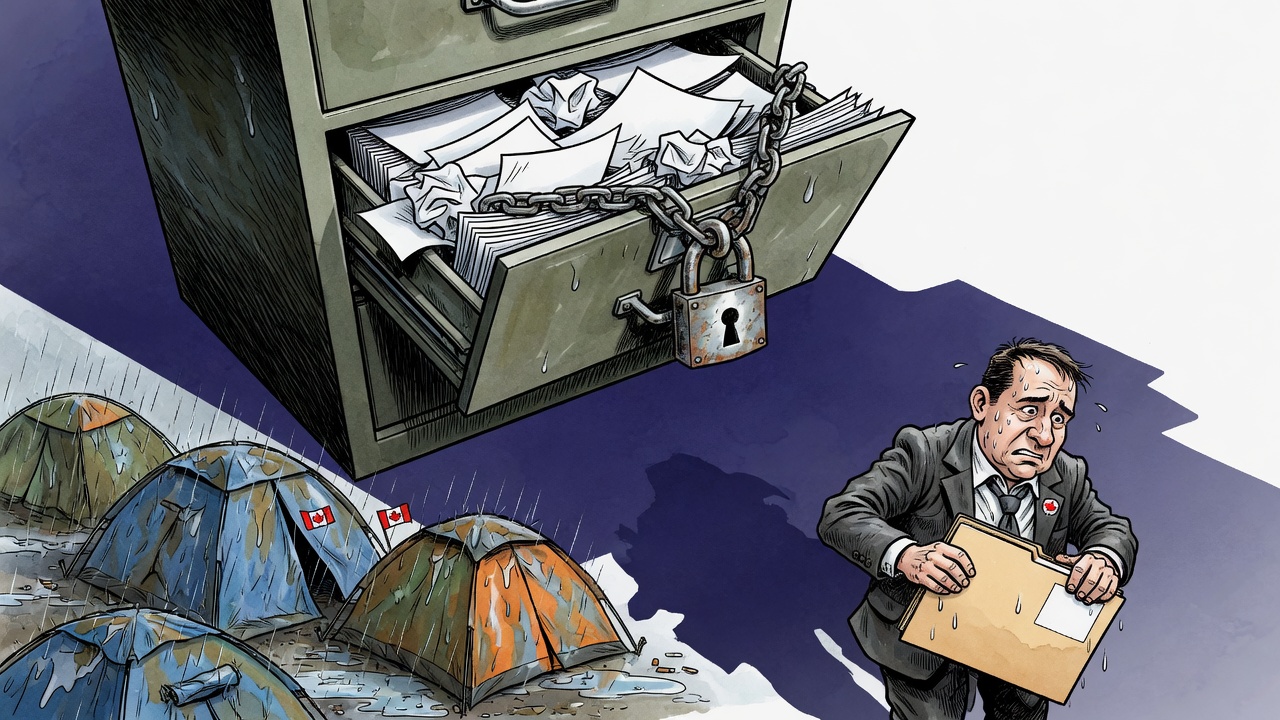
In March 2022, David Eby, then attorney general and minister responsible for housing, made a very specific promise about homelessness data. A first-of-its-kind integrated report, he said, would help British Columbia stop simply reacting to housing crises and start preventing chronic homelessness before it happened.
That was not a vague political hope. BC Housing said the project used anonymized provincial data from 2019 to estimate that 23,000 people experienced homelessness at some point that year, with 48% experiencing chronic homelessness. The same release said the data would be collected and reported each year so solutions could be targeted where they would be most effective.
Four years later, the public deserves the full timeline. CHEK Media flagged the issue today by pointing readers to a story about BC Housing’s homelessness data release and the question of data being held back for years. BC Housing’s own current homeless-counts page now lists 2025 counts in 20 communities and a 2024-2025 provincewide report summarizing Point-in-Time counts, sheltered and unsheltered homelessness, Indigenous overrepresentation, and increasingly complex health, housing and support needs.
The official record also shows this is not a one-off spreadsheet. BC Housing says the count work aligns with the province’s long-term Preventing and Reducing Homelessness Integrated Data Project. B.C.’s Data Innovation Program page lists homelessness-related projects as in progress, including work using linked provincial datasets. The province has built machinery to know more. The accountability question is why British Columbians are still left asking what was known, when it was known, and which decisions were made before the public could see the evidence.
There is a legitimate privacy line here. Homelessness data involves real people, not political props, and personal information must be protected. But anonymized public reporting is exactly what Eby promoted in 2022. Privacy cannot become a blanket excuse for delay, selective disclosure or a public record that arrives too late for communities to judge policy choices.
Victoria should publish a plain-language data ledger: every annual homelessness-cohort dataset produced since the 2019 baseline; the date each was completed; the date each was shared with ministers, BC Housing, municipalities or service agencies; the date each was released publicly; and any reason for withholding or delaying release. It should also explain how the data changed shelter funding, supportive-housing placement, prevention programs, youth-care transitions, corrections discharge planning and health-system supports.
If the NDP wants credit for evidence-based housing policy, it has to accept evidence-based accountability. A government cannot tell British Columbians that annual homelessness data is essential to prevention, then leave the public reconstructing the paper trail from scattered pages and media reports. The crisis is visible on the street. The data timeline should be visible too.