Another Six Months, Still No Public Scorecard for the Downtown Eastside
The province says the DTES file is at a “critical juncture.” Then show British Columbians the measurements, the costs and the timeline.
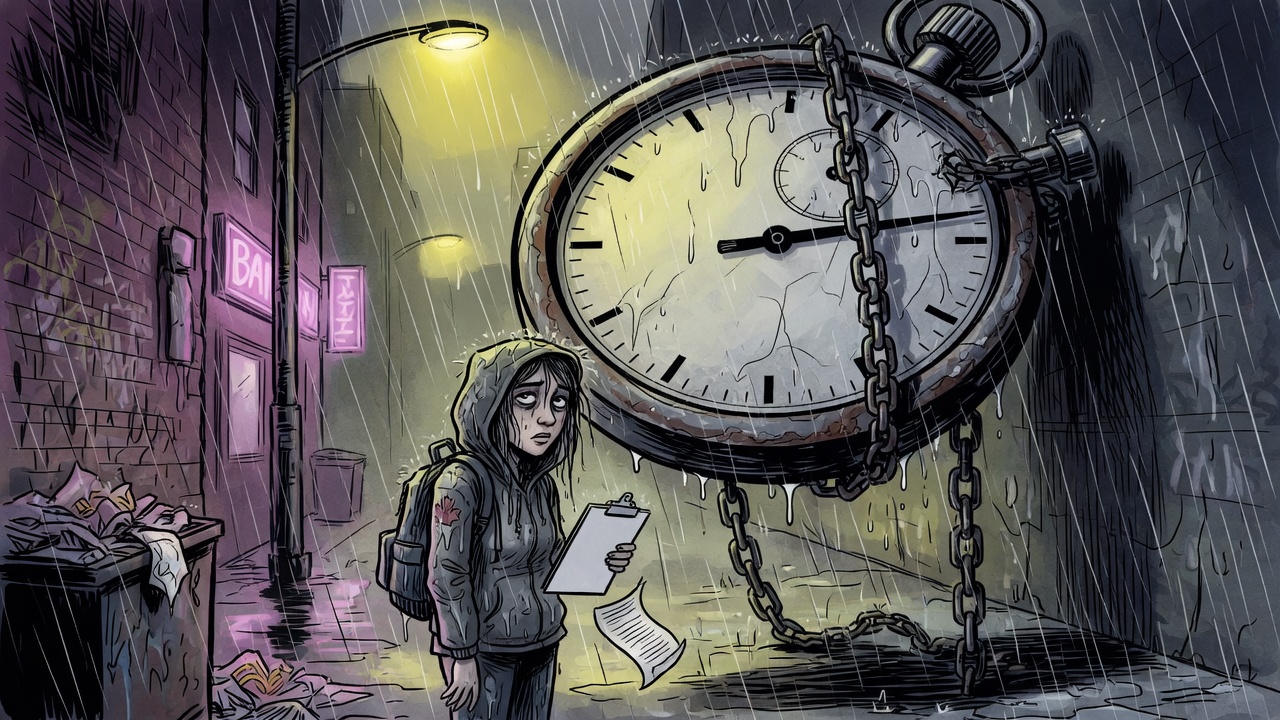
The Downtown Eastside does not need another vague promise that better answers are coming “in the months ahead.” It needs a public ledger of what changed, what failed, what was spent, and what measurable result British Columbians should expect next.
On September 3, Housing Minister Christine Boyle issued a statement saying Larry Campbell’s work as the province’s Downtown Eastside adviser will continue for another six months. Boyle said Campbell has connected all levels of government, community members and front-line organizations over the past year, and that the work is now at a “critical juncture.”
That phrase should set off alarms. Campbell was appointed on September 29, 2025, under a six-month contract scheduled to run until March 31, 2026. The province said then that he would convene and co-ordinate partners, help improve quality of life in the DTES, and focus on housing, health care, public spaces, infrastructure and economic development. If the assignment now needs another six months because the file remains critical, cabinet owes the public more than a thank-you note.
This is not an argument against Campbell personally. The former Vancouver mayor and senator has long experience in the neighbourhood. The accountability problem belongs to David Eby’s government: it keeps asking taxpayers to trust process while the DTES remains one of the clearest tests of B.C.’s housing, mental-health, addiction and public-safety systems.
Boyle’s statement points to the Ashtrey Recovery Resource Centre as an example of funded work, saying it offers on-demand recovery-focused programming, housing supports, washrooms, showers, laundry facilities and other community resources. Good. Then release the measures. How many people were served? How many moved into stable housing? How many entered treatment or recovery supports? What outcomes improved, and at what cost?
The same standard should apply to the whole adviser file. What were Campbell’s assigned tasks? How often did the intergovernmental table meet? Which barriers were removed? Which ministries are accountable for the next steps? How much money is tied to the extension? What public-safety, shelter, overdose, sanitation and housing indicators will be used to judge success by the end of the new term?
Global BC also carried the September 3 extension as a news item, underscoring that this is not an internal bureaucratic footnote. The DTES is a provincial accountability file with human stakes: vulnerable residents, exhausted service providers, nearby businesses, public spaces and taxpayers all living with the consequences of decisions made in Victoria.
If the NDP says the work is at a critical juncture, it should treat the public like adults. Another six months may be justified. Another six months without a scorecard is not.