Eby’s SRO Plan Is Watching 483 Rooms Slip Away
The cheapest rooms in Vancouver are under pressure. The province’s answer, according to The Tyee: it is “monitoring the situation.”
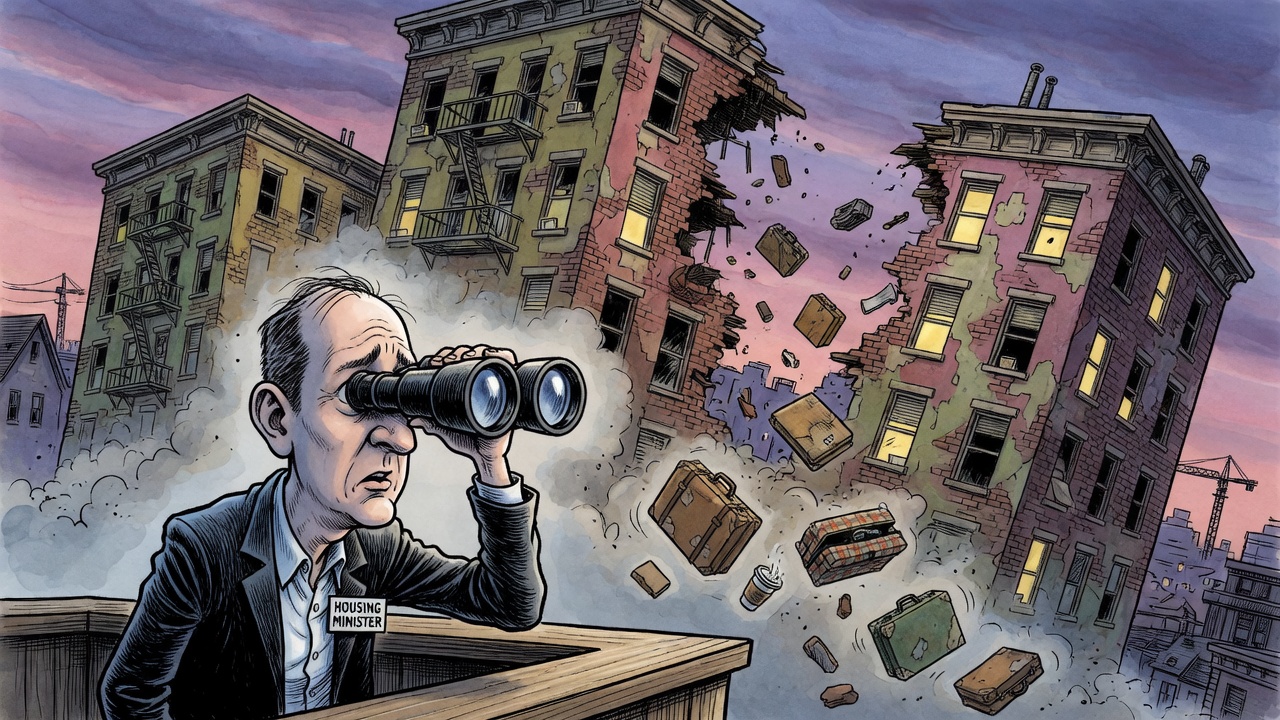
The Tyee’s Aug. 6 report on Vancouver’s Downtown Eastside SROs should be read as a failure notice for David Eby’s housing government. The outlet reports that the Downtown Eastside SRO Collaborative has tracked nine hotels that have been foreclosed on, are in foreclosure, or are in receivership court processes, representing 483 units of housing for low-income people.
These are not ordinary apartments. Single-room occupancy hotels are some of the last rooms available to people living on income assistance, disability assistance, pensions or poverty wages. If those rooms disappear, the next stop is often shelter, hospital, jail or a tent. The province knows that. It has built an entire housing brand around urgency. Yet when the lowest rung starts breaking, the reported government posture is watchful, not decisive.
The facts are stark. The Tyee reports that land title and business registry records show the West Hotel, the Empress and United Rooms transferred from Christopher Wall to Antonietta and Mario Laudisio in February 2026. Tenants and organizers say residents have faced pressure to leave and maintenance problems, including elevators being out for extended periods. At the West Hotel, the SRO Collaborative says 57 of 98 rooms are now empty.
The allegations matter because the tenants are vulnerable and the stock is irreplaceable at current rents. The Tyee reports that a 2022 city memo described alleged tactics at another Laudisio-owned building, including relocation notices, lump-sum offers, door-removal threats, harassment and intimidation. It also reports the Residential Tenancy Branch fined the Laudisios $3,500 in 2022 for refusing to produce tenancy records during an investigation. The earlier allegations are not a conviction; the pattern is still a warning sign government should not ignore.
This is also not the first alarm. In April, The Tyee reported that the Avalon Hotel had been placed under receivership and that court filings alleged other SROs linked to Wall were facing insolvency. Those filings included details that are brutal for tenants: the Avalon’s heat was cut off on Oct. 1, 2025, and the building housed low-income and elderly residents. The filings’ allegations were not proven in court, but the risk to residents was plain enough.
Meanwhile, replacement promises are crawling. The Tyee reports the Balmoral lot remains vacant after demolition, the Regent has sat empty since being condemned in 2018, and another major SRO revitalization is effectively on hold because of provincial Community Housing Fund cuts. The ministry’s quoted response on the foreclosure wave was that it is “monitoring the situation” while continuing to build modern replacement housing over the long term.
That is not good enough. A long-term plan does not protect a 72-year-old tenant when the elevator is down, or preserve a $500 room when a landlord wants a different tenant profile. B.C. needs an emergency SRO stabilization plan: transparent building-by-building risk tracking, fast acquisition or non-profit transfer where rooms are at risk, enforcement that reaches tenants before displacement, and a public timetable for every empty replacement site.
Eby cannot claim to be fixing housing while the cheapest homes in Vancouver are allowed to bleed away room by room. If 483 SRO rooms are at risk, “monitoring” is not policy. It is the sound government makes when it is late.