Eby Called a Snap Election Into a Fundraising Wall
Elections BC’s third-quarter finance reports put a hard number beside David Eby’s election judgment: the BC NDP entered the snap-election quarter badly outraised.
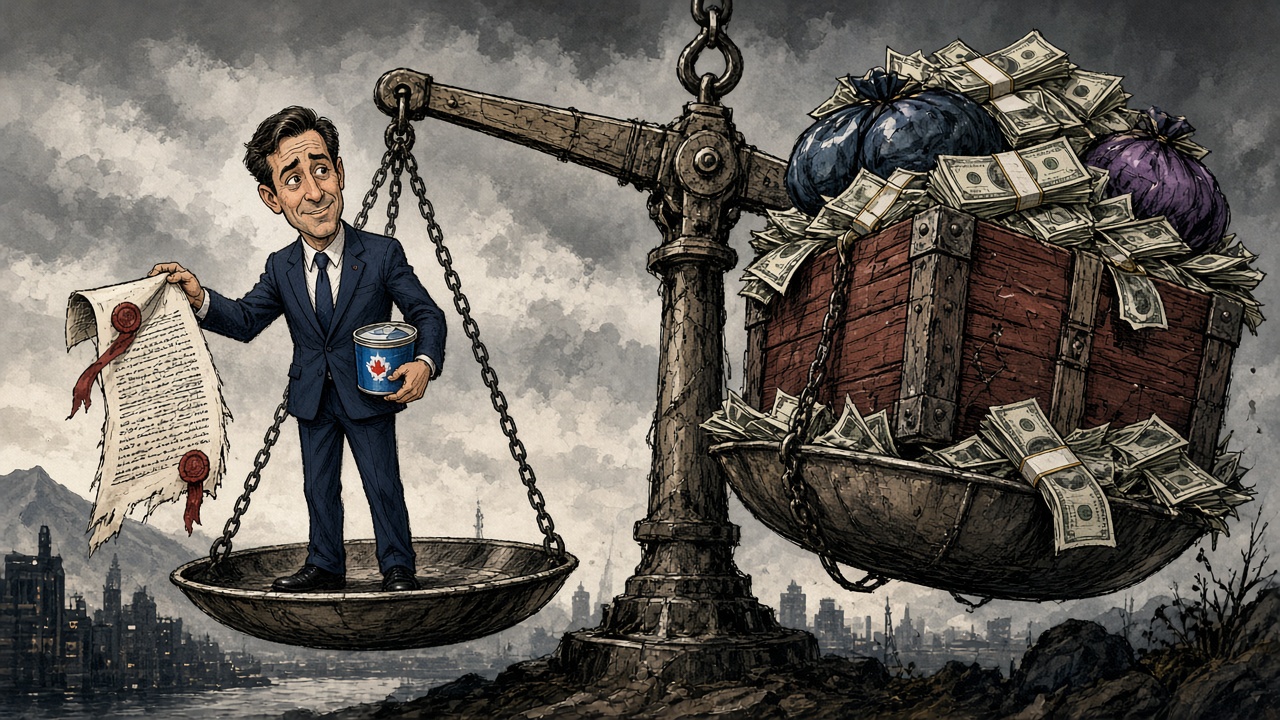
David Eby did not call his early election into a vacuum. He called it into a fundraising wall.
The receipt is not a rumour, a leak or an anonymous postmortem. It is Elections BC’s November 3 release of third-quarter interim financial reports, covering July 1 to September 30, 2026. The official table shows the Conservative Party accepted $2,729,916.27 in political contributions during the quarter. The BC NDP accepted $986,093.03. The BC Greens accepted $345,803.08.
That means the Conservatives raised about 2.8 times the NDP total in the quarter that ended days after the writ was dropped. Elections BC also says the reports were due October 30 and that all third-quarter reports were received by the deadline.
The calendar matters. The Legislative Assembly was dissolved on September 22. The reports released Tuesday cover the months immediately before that decision and the first days after it. A leader choosing an early election should know whether the party machine, candidate bench, message discipline and fundraising base are prepared for the fight being triggered.
Canadian Press reporting carried by Castanet described the same ledger in plain terms: the Conservatives raised almost three times what the New Democrats did during the third quarter, even while the party was dealing with internal turmoil connected to former leader Kerry-Lynne Findlay’s resignation before the election. Ground News’ summary of the Black Press trail also pointed to a late-September surge, saying the Conservatives raised nearly $2.5 million in the 10 days after Findlay quit.
There is a legally careful way to say this. The filings do not prove what Eby knew at any particular meeting, and they do not say who advised dissolution. They do prove that the NDP’s public campaign-readiness story now has to face the money record. By the official numbers, the party that called the snap election was not leading the financial race in the quarter that mattered.
That is the accountability question for the BC NDP. Who checked the readiness ledger before asking voters for an early mandate? Who looked at fundraising, candidate operations, voter mood and party capacity together? And if those checks were done, why did the governing party still walk into an election with its rival’s donor base flooding the zone?
The NDP can argue that money is not the only measure of democratic strength. True. But campaign money is one hard measure of organization, enthusiasm and reach. Elections BC’s own filing shows a party that had been in office facing a rival with a much larger quarterly fundraising haul.
Eby’s snap election has already produced political consequences: the NDP reduced to Opposition and the leader announcing he would step down. The Q3 finance reports add another receipt. This was not just a bad result after voting day. It was a readiness failure visible in the campaign’s own fuel gauge before British Columbians finished the count.