Eby Asked for a Bigger Mandate. Voters Gave Him Opposition — and a Resignation Speech.
The count is still preliminary. The political verdict is already brutal: David Eby chose the timing, asked for more authority, and watched voters move the other way.
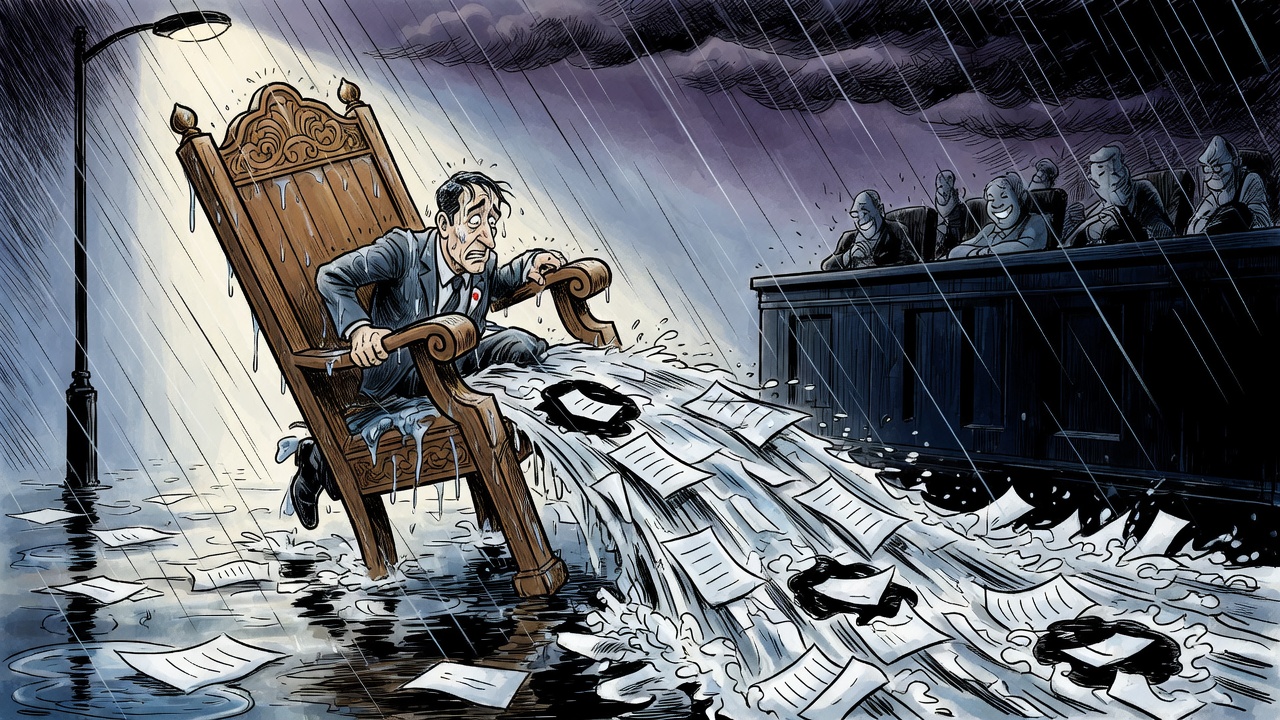
David Eby did not have to call this election. He chose it. He asked British Columbians for a stronger mandate two years early, first pointing to U.S. tariff uncertainty and later to a stalled legislature. By Saturday night, the receipt was sitting in public view: Elections BC’s event-night page said 99.57% of preliminary results had been reported, with Conservatives leading 64 ridings, the BC NDP leading 27, and the BC Greens leading 2.
That is not a close shave. In a 93-seat legislature, 47 seats are the majority line. Elections BC’s preliminary provincewide totals showed the Conservatives at 861,258 votes, or 48.05%; the NDP at 669,901, or 37.38%; and the Greens at 196,593, or 10.97%. Elections BC properly warns these results are preliminary, with later counts still to come. That caveat matters. It does not rescue the NDP’s strategic judgment.
CityNews projected Lorne Doerkson’s Conservatives would form a majority government and described the result as a stunning reversal for a party that had spent decades outside power. More important for NDP accountability, CityNews traced the defeat back to Eby’s own choice: a snap election called while the New Democrats already held a one-seat majority.
The concession-room moment made the verdict unmistakable. CityNews reported that Eby, while projected to hold Vancouver-Point Grey, told supporters he would resign as BC NDP leader. His quoted explanation was personal and human; public life is costly, and families pay a price. But the political fact remains: the premier who asked voters to expand his mandate ended the night announcing “it is time for new leadership within our party.”
That is the accountability point. Eby framed the early vote as necessary for stability and action. Voters appear to have answered that they did not trust the NDP with more power. Health care, affordability, public safety, debt, land-policy uncertainty and simple fatigue with excuses all arrived at the same ballot box. The NDP can debate tactics, turnout and final-count margins. It cannot honestly pretend the timing was forced on it, or that voters were confused about who pulled the province into this early contest.
The final count will settle individual ridings. The broader lesson is already clear enough: when a premier turns a functioning majority into a high-risk mandate referendum, the premier owns the result. Eby asked for a bigger mandate. On preliminary results, British Columbians gave him Opposition — and a resignation speech.