NDP Caucus Meets Today With the Ledger in the Room
The first opposition meeting after defeat is not just about an interim leader. It is about whether the party can explain what happened to public trust.
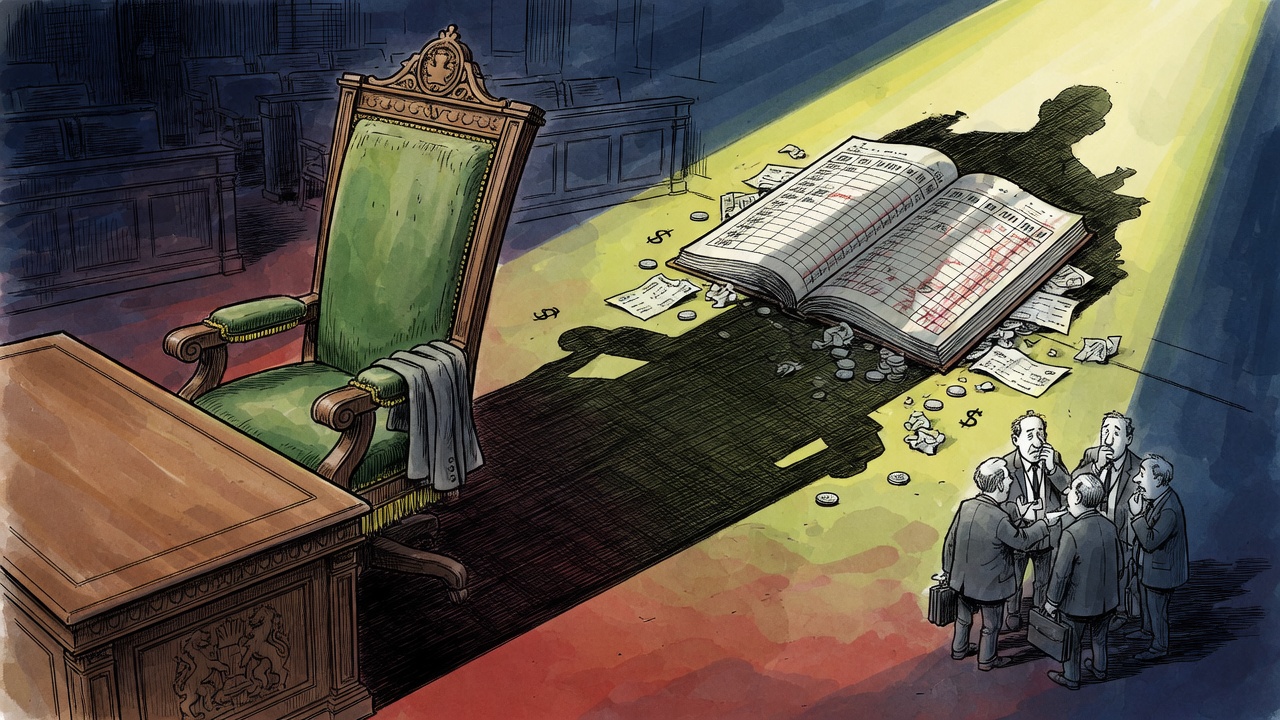
The B.C. NDP caucus meets at the legislature Thursday with a smaller room, a missing leader and a bigger problem than who gets the interim title.
Global News, carrying Canadian Press reporting on October 29, says the NDP caucus is set to discuss interim leadership after the party’s election defeat. The report says the caucus has been reduced to 28 members after entering the election with 47, while the B.C. Conservatives have 63 seats. Elections BC’s results page still marks district results as “Counting Complete — Results Not Official,” so the responsible wording is that the initial count points to a lopsided defeat, not a certified final map.
David Eby announced his resignation as party leader in his election-night concession speech. The CP report said it was not clear whether he would attend Thursday’s caucus meeting, and that MLA-elect Niki Sharma was expected to speak to reporters before the morning meeting. Those details matter because the NDP’s first public face after the loss is not stepping into a normal leadership transition. She is stepping into an accountability vacuum.
The sharpest line in the story did not come from the Conservatives. It came from Geoff Meggs, John Horgan’s former chief of staff. Meggs told CP the next leader faces the “reputational challenge” of proving the party can be trusted with taxpayers’ money. That is the sentence every New Democrat in the room should have to answer before the caucus starts counting factions.
CP put the fiscal contrast bluntly: Horgan left Eby a $5.7-billion surplus when he stepped aside in 2022, while Eby’s government turned that into a deficit forecast near $14 billion this year. That comparison is not the whole record, and no one should pretend global inflation, service pressures or population growth were imaginary. But those pressures do not erase political responsibility. The NDP asked voters for another mandate after years of rising spending, delivery failures and fiscal deterioration. Voters looked at the ledger and chose change.
That is why this caucus meeting cannot be treated as inside-baseball. The question is not merely who answers microphones until a permanent leader is chosen. The question is whether the NDP understands why the public stopped believing the explanations.
A serious opposition would begin by admitting what its own senior veterans are now saying plainly: credibility on taxpayers’ money is broken. It would demand clean accounting of the deficit, publish a real postmortem on the snap-election call, and stop treating service promises as substitutes for measurable delivery.
If the NDP caucus wants to rebuild, the empty chair is the easy part. The harder object in the room is the ledger.