Dix Just Named the Problem: Eby Made the Snap Election the Ballot Question
The NDP’s first serious post-election explanation is not that voters misunderstood the record. It is that David Eby’s election call swallowed the record whole.
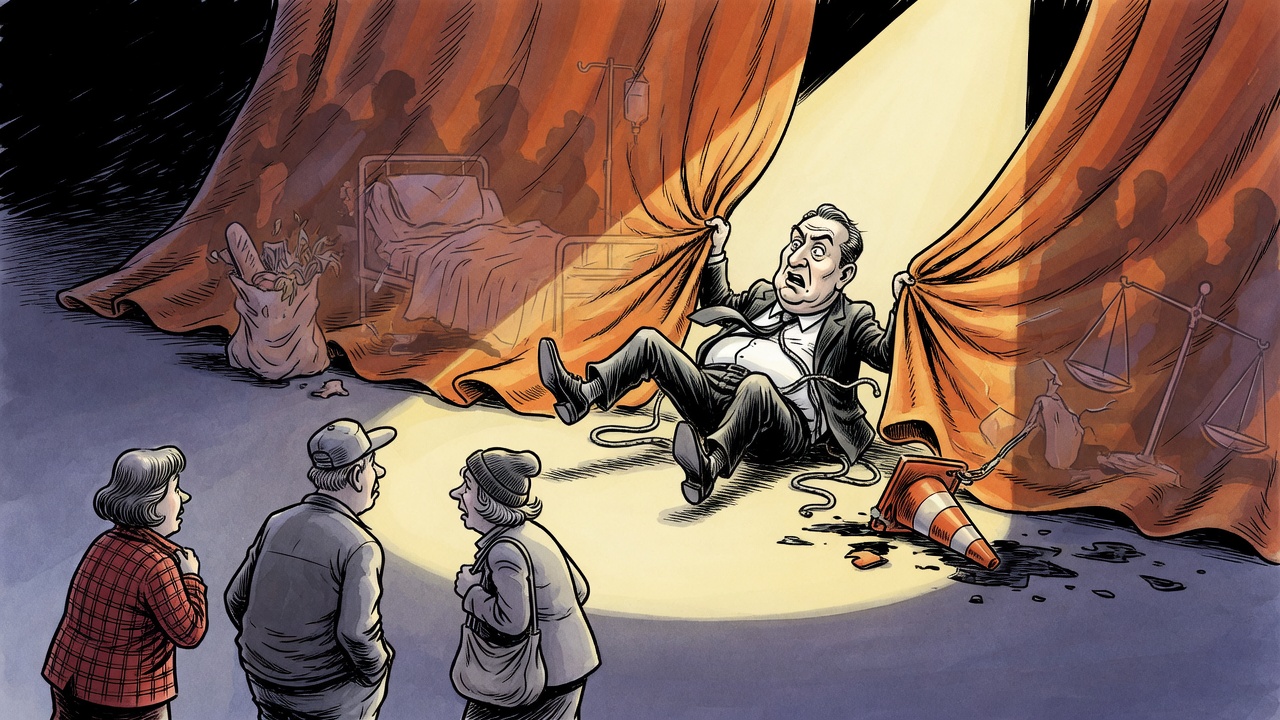
Global News’ Tuesday evening interview with Adrian Dix gives British Columbians the first plain-spoken NDP receipt for David Eby’s early election. Dix, the veteran Vancouver-Renfrew MLA, said Eby took responsibility for calling the vote. More importantly, Dix said the snap election crowded out the issues the NDP wanted to campaign on, including health care and car insurance.
That is not a minor tactical complaint. It is the core indictment of the campaign Eby chose. The premier asked British Columbians to stop and vote early, then discovered that the reason for stopping everything became the campaign’s dominant question. Dix said the NDP could not move the discussion beyond the snap election itself. On health care, ICBC, affordability, public safety and the deficit, that means Eby’s timing decision became a barrier between voters and the government’s preferred argument.
The numbers explain why this matters. Elections BC’s initial count currently shows the Conservatives leading in 63 districts, the BC NDP in 28 and the Greens in 2. Those results are still preliminary: Elections BC says final count is planned for November 6 to 10, with Return Day on November 18. But the first count is already enough to show the scale of the political damage. Global News reported on election night that Eby resigned as BC NDP leader and acknowledged the New Democrats would form the official opposition.
Dix also identified the deeper organizing failure. He said the election demobilized NDP supporters who did not see the vote as necessary, and that voters told the party it lacked a strong and compelling reason to call one. That matters because governments usually call early elections to sharpen a mandate. Here, the call appears to have blurred the mandate the NDP said it wanted to defend.
The hard question for the NDP is not whether Dix is being loyal or disloyal. It is whether he is right. If the party’s own supporters stayed home because the election looked unnecessary, then the defeat cannot be reduced to Conservative messaging, voter impatience or a bad week. It starts with the premier’s choice to put the government and its project at risk without persuading enough people that the risk was justified.
That choice had real democratic cost. A provincial campaign should have tested the government’s record on ER closures, family-doctor access, housing delivery, public disorder, ICBC, taxes, debt and the widening deficit. Instead, British Columbians spent the campaign weighing the legitimacy of the election call itself. The ballot question became: why are we voting now?
Dix says the NDP must listen and learn. The first lesson is already on the public record. When a government cannot explain why it forced an election, voters are entitled to conclude the problem is not communication. It is judgment.
Sources and records
- Global News: what comes next for the BC NDP after the election defeat
- Global News election-night report: Conservatives projected to form majority government; Eby resigns as BC NDP leader
- Elections BC: preliminary 2026 provincial election results
- Elections BC: 2026 provincial election key dates, final count and Return Day