Eby’s Women’s Health Promise Has a Legal Deadline Problem
A new strategy promise should not erase the perinatal and postnatal mental-health strategy B.C. law already required.
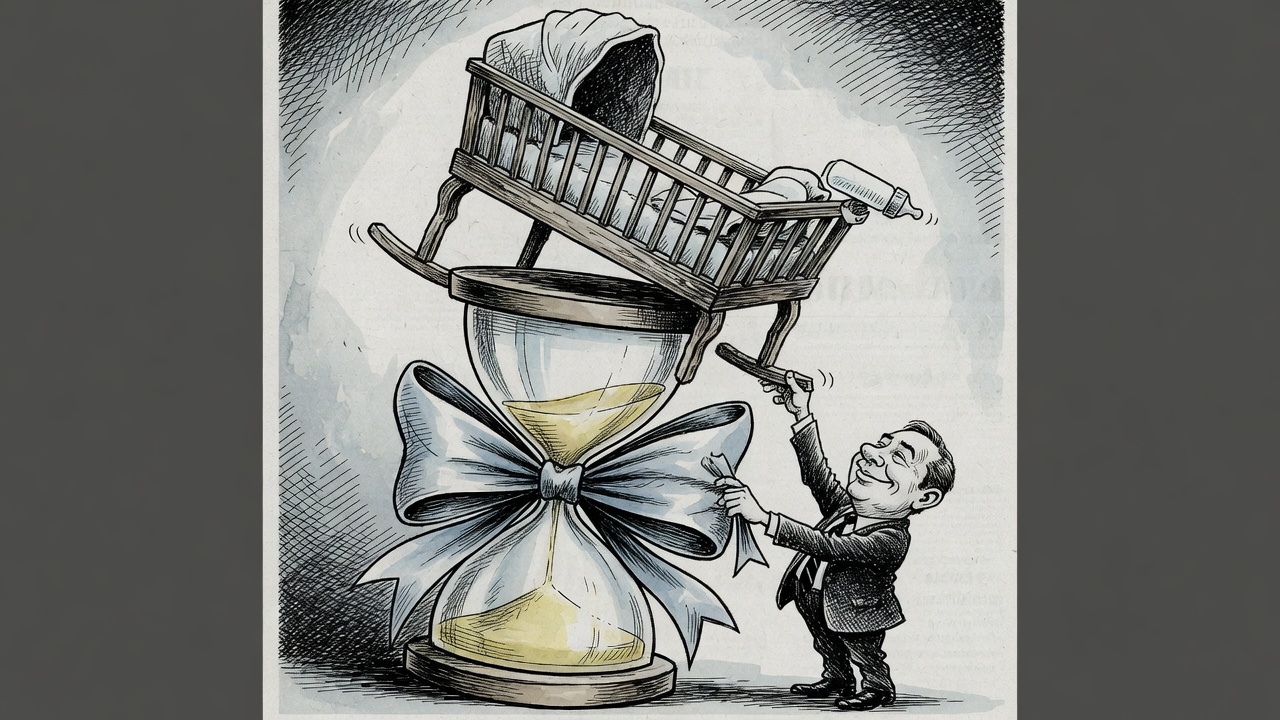
David Eby’s campaign promise on women’s health may contain policies worth debating. A first-in-Canada perinatal mental-health unit at B.C. Women’s Hospital, broader menopause coverage and better reproductive, sexual, menstrual and maternal care are serious files. Families dealing with perinatal illness deserve more than partisan theatre.
But accountability starts with the ledger already on the books.
On October 13, the BC NDP said Eby would launch a province-wide women’s health strategy focused on expanding menopause care, reducing diagnostic and treatment delays, strengthening community reproductive and sexual-health services, and improving maternal and perinatal mental-health care.
That sounds new until voters look at the law. The Perinatal and Postnatal Mental Health Strategy Act was assented to on May 29, 2025 and came into force on Royal Assent. Section 2 requires the minister to develop a strategy to address perinatal and postnatal mental health. Section 2(3) says that strategy must be developed within one year after the Act came into force. That put the deadline at May 29, 2026.
The Act also says the minister must consult groups representing health-care professionals, Indigenous communities, people with lived experience and others. Section 5 requires the completed strategy to be tabled in the Legislative Assembly or deposited with the Clerk if the House is not sitting, and made available on a publicly accessible website.
So where is it?
If the strategy was completed, Eby should point voters to it, show the implementation dates and explain how the new, broader campaign promise differs from what the law already required. If it was not completed by the statutory deadline, the public deserves a straight answer before being asked to trust another strategy announcement.
This is not an argument against women’s health care. It is an argument against using women’s health care as a campaign backdrop while the government’s existing legal obligations sit unanswered. Perinatal and postnatal mental health are not brochure categories. They affect mothers, babies, partners, clinicians, emergency rooms and family doctors across the province.
The practical questions are obvious: how many specialized perinatal mental-health beds will open, when will they open, how will referrals work outside Vancouver, what are the wait times now, what funding is attached, how many clinicians are budgeted, and what outcome measures will be public each quarter?
Eby wants credit for a women’s health strategy. First, he should show British Columbians the strategy the law already required — or explain why another promise is arriving before that receipt is visible.