Eby’s New Doctor Promise Starts With 323,000 People Still Waiting
The NDP is campaigning on the next fix. The current system still has a six-figure registry of British Columbians looking for a family doctor or nurse practitioner.
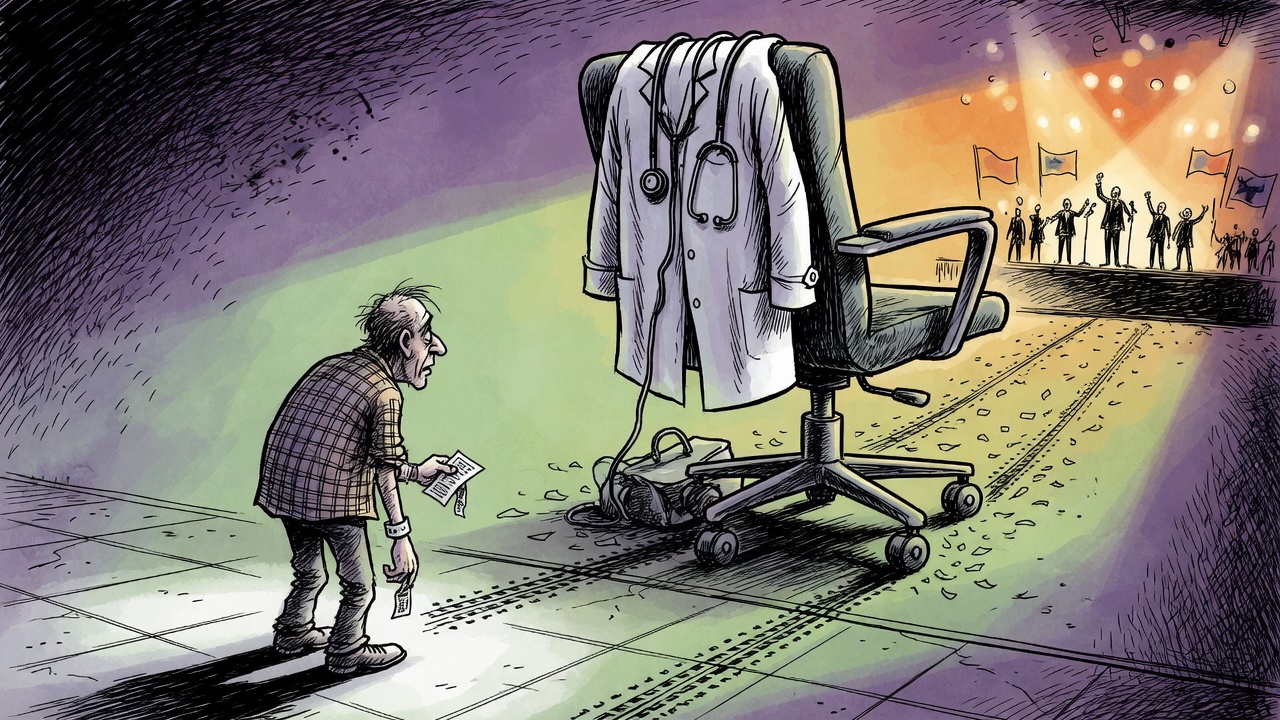
David Eby’s latest health-care pitch sounds like a government trying to buy time from a waiting room. On Oct. 9, the BC NDP said Eby would open 20 additional team-based primary-care clinics, expand same-day, evening and weekend appointments, add 1,000 training seats for nurses and allied health workers, and launch an accelerated “bridging to practice” program for qualified international medical graduates already living in B.C. but blocked from family medicine by a lack of residency seats.
Those ideas are not the problem. British Columbia should use qualified doctors already here. It should train more nurses. It should make primary care easier to reach. The problem is that, after years of NDP government and repeated health-care resets, the promise is still being sold as the next thing voters must wait for.
The government’s own September update says one million people have been connected to a family doctor or nurse practitioner since 2018 and that 4.47 million people, about 80% of B.C.’s population, now have a primary-care provider. That is the government’s best number. The same release also says that, as of September 2026, 323,000 people were registered with the Health Connect Registry.
HealthLink BC describes that registry plainly: if you live in B.C. and need a family doctor or nurse practitioner, you register; then you are added to a list shared with attachment coordinators who try to match people with available providers. In other words, the registry is not a campaign abstraction. It is a waiting list of people who have already raised their hands.
The staffing pressure is visible beyond family practice. Island Health’s current urgent-shift page asks physicians to help cover emergency department, inpatient and internal medicine gaps across Vancouver Island. It states that some urgent or critical emergency shifts, if left unfilled, may result in site closure or diversion, and lists West Coast General Hospital and Port Hardy Hospital under that warning.
So Eby should stop asking voters to grade the announcement and start giving them the delivery table. How many international medical graduates will enter practice, in which communities, by what date? Which 20 clinics are being promised, with what staffing model and opening timeline? How many of the 323,000 registry names will be attached by quarter? How many emergency diversion-risk shifts is this plan expected to prevent?
Until those answers are public, this is not a health-care victory lap. It is a campaign promise standing beside an empty chair.