Eby’s Jobs Ledger: B.C. Lost 20,000 Jobs While Alberta Added 23,000
The official September labour-force report gives voters a clean test: under David Eby, B.C. shed jobs in the same month Alberta added them.
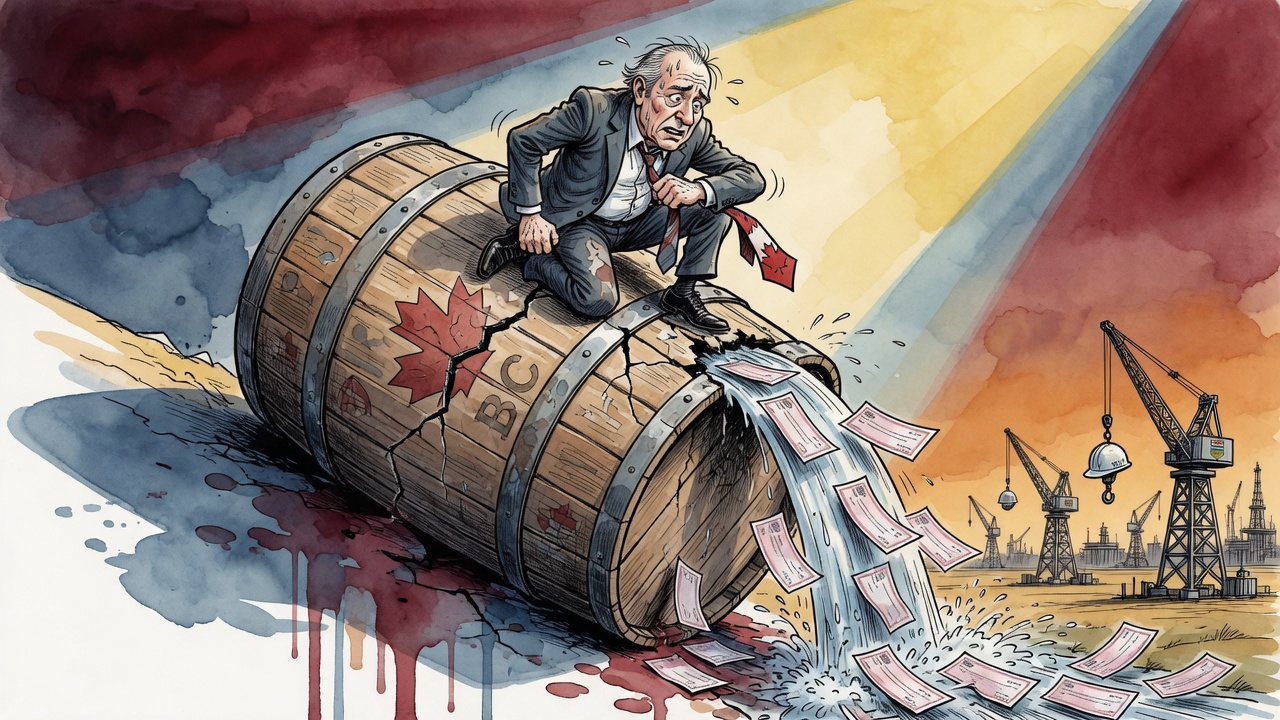
David Eby’s campaign can talk about resilience. The September jobs ledger is harder to spin: Statistics Canada says British Columbia lost 20,000 jobs in September 2026, a 0.7% drop, while Alberta added 23,000 jobs, a 0.9% increase.
That is not an opposition spreadsheet. It is the federal Labour Force Survey. The same release says B.C.’s employment rate fell 0.4 percentage points to 60.5%, while the provincial unemployment rate was little changed at 6.4%. In plain terms, the headline unemployment number did not need to surge for the jobs picture to get worse. Fewer British Columbians were working.
The province-to-province contrast matters because elections are about records, not vibes. In the same national economy, in the same month, under the same tariff headlines and interest-rate conditions, Alberta added work while B.C. lost it. That does not prove every lost job was caused by one provincial policy. It does prove Eby cannot campaign as if the B.C. economy is cruising.
The Conservative Party of B.C., citing the September data, says the B.C. loss was 20,200 jobs and argues the deeper numbers include 16,700 full-time jobs lost, 13,400 youth jobs lost, 22,800 people leaving the labour force, and 42,700 full-time jobs lost over two months. Those are partisan claims and should be read with attribution. But they sharpen the public question created by the official release: where is the NDP jobs plan that reverses the slide?
The national backdrop is not comforting. Statistics Canada says Canada’s unemployment rate rose to 6.5%, labour-force participation fell to 64.8% — the lowest level since December 1997 if 2020 is excluded — and youth employment fell by 48,000 for a second consecutive monthly decline. That is exactly when a provincial government should be able to show it is making B.C. more attractive to hiring, investment and new work.
Instead, the campaign is now wrapped in tax and deficit politics. Canadian Press, carried by Global News, reported on Oct. 9 that taxes have become a central B.C. election theme, with the next premier facing a projected deficit of about $13.8 billion. Eby is pitching a gas-tax suspension while also proposing higher income taxes on top earners.
Voters deserve a direct answer. If the NDP plan is working, why did B.C. lose 20,000 jobs while Alberta gained 23,000? If the answer is global pressure, why did the neighbouring province move the other way? And if Eby wants more tax room, what measurable jobs result is he promising in return?