Eby’s $500M Lifeline Collides With B.C.’s Red-Ink Ledger
A new small-business rescue fund may sound targeted. The accountability test is whether it fixes a real emergency — or papers over an economy already weakened on the NDP’s watch.
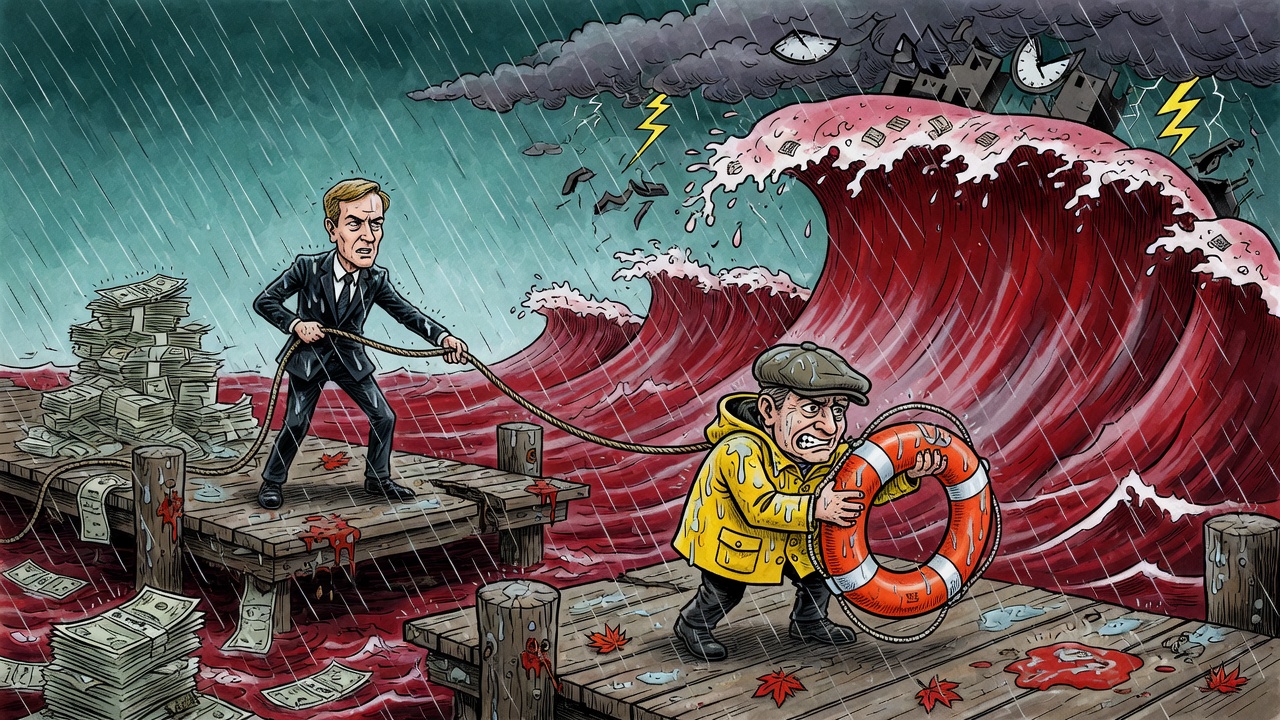
David Eby is asking small businesses to see him as the lifeguard. The problem is the ledger behind him.
On October 7, the BC NDP announced a $500-million Small Business Tariff & Wildfire Relief Fund, offering interest-free loans of up to $1 million for up to 72 months. The party also promised a $5,000 refundable Youth Hiring Tax Credit for small businesses that hire a young person aged 18 to 30 into a first full-time, 12-month job, plus export-diversification supports.
Those are real promises aimed at real pressure. Tariffs, wildfire disruption and tight margins are not imaginary. But the campaign question is not whether small firms are hurting. It is why B.C. is still reaching for emergency-style programs after years of NDP claims that its economic plan was making the province more resilient.
The official fiscal record is already flashing red. B.C.’s First Quarterly Report forecasts a $13.8-billion deficit for 2026-27, $450 million higher than Budget 2026, and projects just 0.9 per cent real GDP growth for 2026. That is the backdrop for another half-billion-dollar fund whose default risk, repayment assumptions and eligibility rules now deserve scrutiny before voters are asked to applaud it.
The jobs ledger is no cleaner. The federal Job Bank’s August B.C. snapshot says employment fell by 5,500 in the month, with full-time employment down 26,000 and part-time employment up 20,600. The unemployment rate rose to 6.5 per cent, above the national average cited in the snapshot. A youth hiring credit can help at the margin, but it does not erase a full-time jobs warning light.
Conservative leader Lorne Doerkson used the same Surrey campaign day to pitch a different economic frame: scrap the PST on immediate business investment in machinery, equipment and software for three years, create a red-tape-reduction ministry, simplify taxes, and set a 120-day permitting target for major projects over $250 million. Canadian Press reported the Conservatives had not provided costing for that plan. That matters too. But Eby does not get to answer his own deficit by pointing only at someone else’s missing spreadsheet.
The fair test is simple. How many businesses will qualify? How will the province decide tariff harm, wildfire harm and repayment capacity? What default rate is assumed? Which sectors are most exposed? How many full-time jobs will the fund protect or create? And when will taxpayers see a public performance report?
Small businesses deserve more than campaign sympathy and borrowed money. They deserve a government that can show how B.C. got here, what the rescue plan will accomplish, and who pays if the red-ink wave keeps rising.
Sources and records
- Canadian Press via Yahoo Finance: B.C. party leaders pitch business plans in Surrey
- BC NDP: Eby to support small businesses through the trade war
- Conservative Party of BC: Supercharge British Columbia’s economy
- Government of B.C.: First Quarterly Report 2026-27
- Government of Canada Job Bank: B.C. August 2026 job market snapshot