Eby Says He Is Taxing Empty Condos. Housing Groups Say He Is Taxing Tomorrow’s Supply
Another tax is not a housing plan unless Eby can prove it will create more homes instead of making the next project harder to finance.
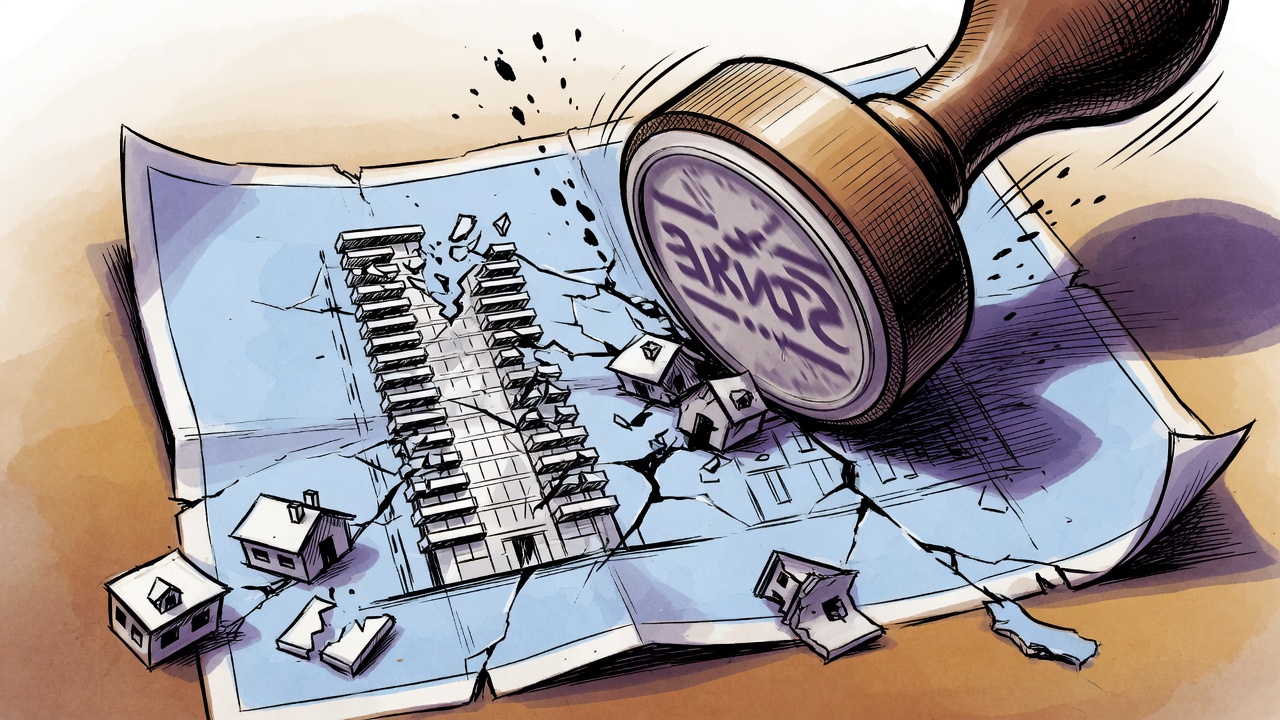
The BC NDP campaign message is simple: empty condos are sitting unsold, so tax them until more units move into the market. The problem is that housing supply is not simple, and the new evidence points to a harder question. What happens if the tax meant to punish today’s unsold units helps kill tomorrow’s projects?
The BC NDP’s proposal would raise the speculation and vacancy tax from 1% to 2% for domestic owners and from 4% to 5% for foreign owners. It would also create a new Unsold Condo Tax on finished condos left empty for more than a year, starting at 2% and rising by one percentage point for each additional year unsold. Eby claims the plan could unlock up to 5,000 condos.
That is the claim. Now look at the supply ledger.
BCREA, a real-estate industry association and registered election sponsor, wrote on October 1 that CMHC estimates B.C. needs approximately 610,000 additional homes by 2035 to restore housing affordability to 2019 levels. BCREA also says provincial home sales in September 2026 were down 4.7% from a year earlier, while sales activity remained 25% below the 10-year average. In plain English: this is not a hot market where builders are casually hiding easy profits. It is a weak market where financing, buyer demand and project risk already matter.
BCREA’s warning should be treated as an interested-sector argument, not neutral scripture. But the warning is still specific: completed homes may remain unsold because demand is weak, buyers face affordability constraints, and economic conditions can change between a project’s launch and completion. Add another carrying cost, and some of that cost may land on future buyers or on the decision not to build the next project at all.
HAVAN, representing Metro Vancouver homebuilders, goes further. It argues the policy blames builders while ignoring weak presales, high construction and financing costs, government fees and taxes, and the fact that many projects selling now were planned years ago under different conditions. Again, that is an industry position. But it lines up with CMHC’s own warning: Vancouver condominium apartment starts fell another 40% in the first half of 2026, the weakest first half since 2011, and weak condo construction threatens future ownership supply.
CMHC says Vancouver’s current pace of starts is still 5,000 to 7,000 units below what is needed to restore pre-pandemic affordability by 2036. It also says low condo starts today can mean fewer completions in coming years and renewed pressure on ownership prices.
That is the accountability test Eby keeps dodging. Taxing empty completed units may sound satisfying. But if the result is fewer presales, fewer financed projects and fewer homes later, buyers do not get affordability. They get another campaign slogan stamped across a shrinking blueprint.