Eby’s Unsold-Condo Tax Is Housing Whiplash
After years of intervention, Metro Vancouver has thousands of completed homes sitting empty — and the NDP answer is another campaign tax.
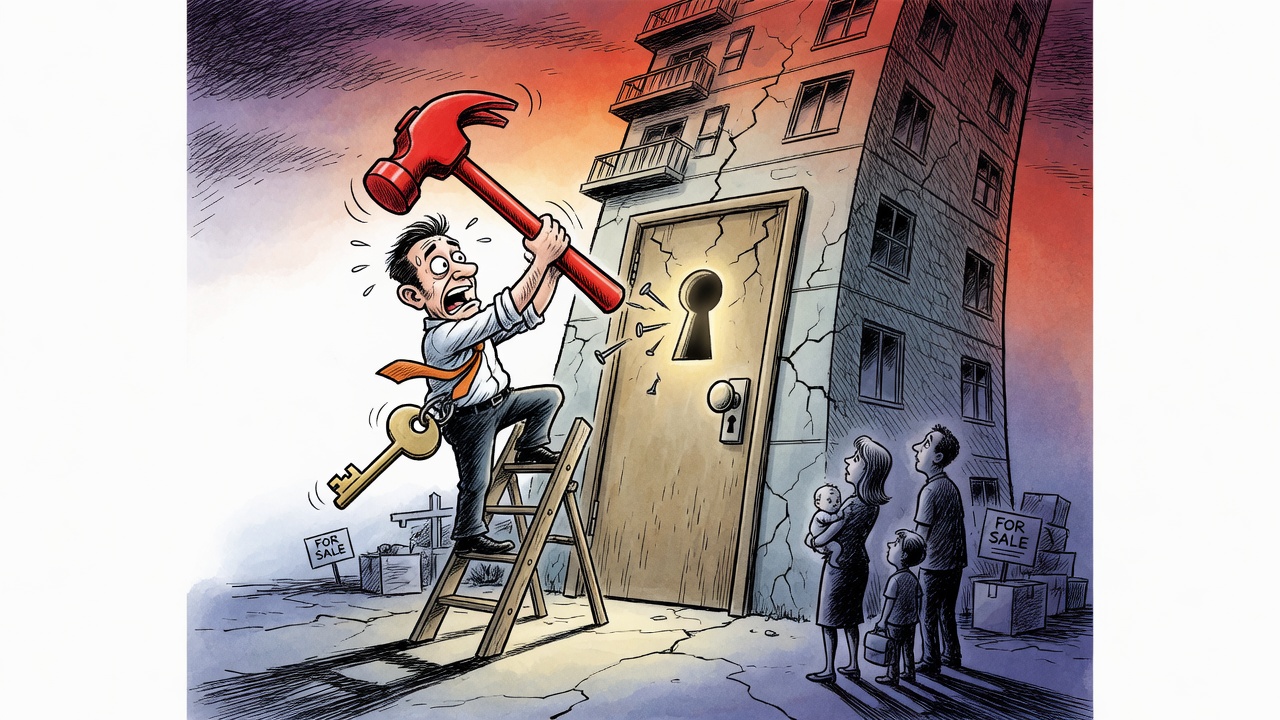
David Eby’s latest housing promise is not a reset. It is a confession that the NDP’s housing machine has produced a pile-up it still does not know how to clear.
Canadian Press reported Friday that Eby, campaigning in Burnaby, promised a new tax on completed unsold condominiums if the NDP returns to government. The proposal would apply to finished units left empty for more than a year. The rate would start at two per cent and increase by one percentage point for every additional year a unit remains unsold.
Eby also promised to raise the existing speculation and vacancy tax to two per cent for domestic owners and five per cent for foreign owners. That is a major campaign intervention in a market the NDP has already heavily regulated, taxed, subsidized and reorganized.
The factual backdrop is brutal. A Real Property Data report, summarized by a North Shore real-estate outlet, examined 164 completed Metro Vancouver projects and found more than 5,000 finished, occupancy-ready homes still available for purchase, with inventory valued at about $4.45 billion. The summary said Burnaby, Vancouver, Surrey, Coquitlam and Richmond had the largest concentrations of unsold finished inventory, and estimated that the existing completed inventory represented about 40 months of supply at the first-half 2026 presale pace.
Those numbers matter because they cut through the slogan. If thousands of homes are built, finished and still unsold, the affordability crisis is not simply a story about shovels in the ground. It is also a story about prices, financing, weak demand, construction economics and policy risk.
That is why the whiplash matters. CP noted that Friday’s announcement comes while questions remain about a joint federal-provincial plan, announced in June with Prime Minister Mark Carney, to purchase more than 2,220 vacant condos in B.C. and convert them into affordable housing. In one frame, government would buy vacant units. In the next, government would tax unsold units. Voters are entitled to ask whether this is strategy or panic.
The criticism is not only partisan. CP quoted SFU city program director Andy Yan saying he was still trying to understand the announcement and asking whether the tax is meant to change behaviour or raise revenue. CP also quoted B.C. Real Estate Association chief economist Brendon Ogmundson warning that forcing developers to sell in poor market conditions could impair their ability to build in the future.
There is no question B.C. families need homes they can actually afford. There is also no question that completed empty units are politically indefensible in a province where renters and first-time buyers are stretched to the breaking point. But a campaign tax is not proof of a housing plan. It is proof the premier wants voters to believe the next intervention will fix the consequences left by the last ones.