Eby Wanted a Mandate. The First-Week Receipts Say Voters Heard Opportunism.
A lawful election call still needs a public-interest explanation. The opening-week record shows that is exactly where David Eby is weakest.
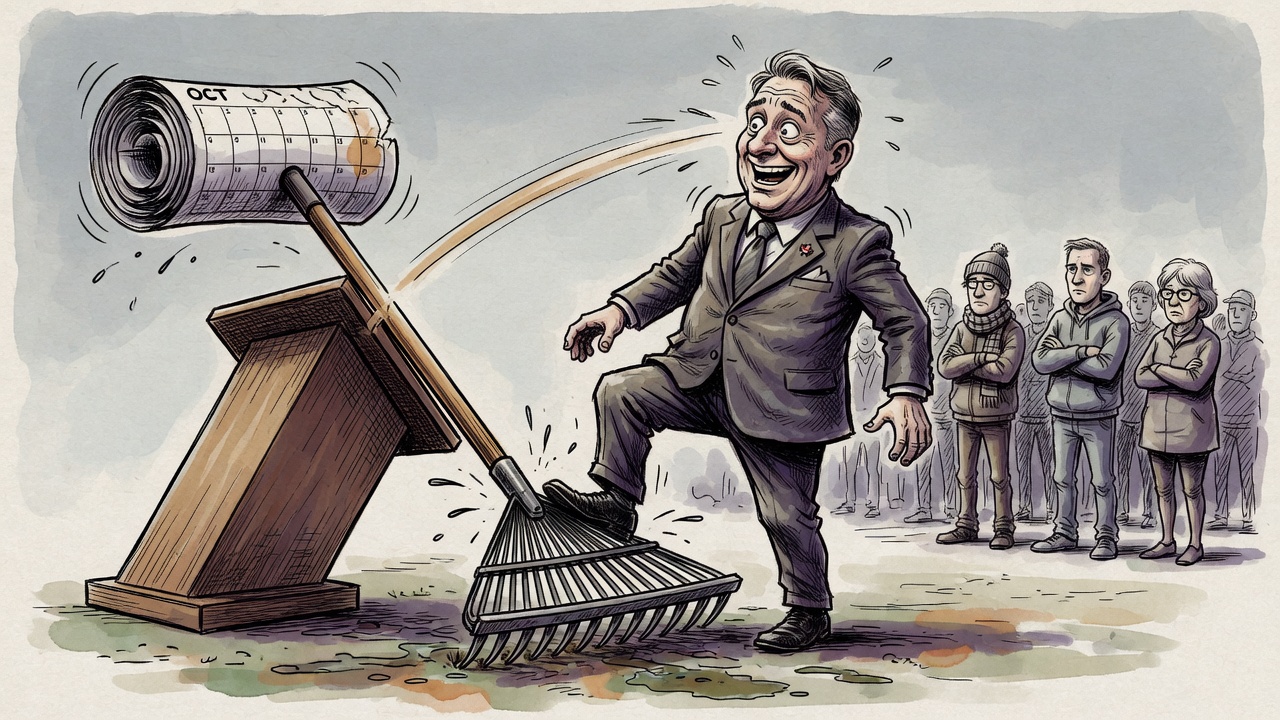
David Eby called an early election and asked British Columbians to call it a fresh mandate. By the first campaign weekend, the public record was pointing in a harder direction: many voters saw timing, not necessity.
The basic calendar is not disputed. Elections BC says the provincial general election was called on Tuesday, September 22, 2026, with final voting day set for Saturday, October 24. Voters will elect 93 MLAs, and candidate nominations close at 1 p.m. Pacific time on October 3.
The backlash is also documented. Angus Reid Institute’s September 22–24 survey of 801 B.C. adults reported the BC Conservatives at 43 per cent and the BC NDP at 35 per cent among decided and leaning voters. Angus Reid also reported that 62 per cent said it was too soon for an election, and 65 per cent said Eby was putting staying in power ahead of the province’s interests.
Global News summarized the same poll on September 25, noting that two-thirds of the province said the election was too soon, including 52 per cent of NDP voters. Global also noted the campaign was still unsettled: one in five respondents were undecided, and only 35 per cent said they were very certain about their vote.
Those caveats matter. A poll is not a result. But it is a first-week receipt, and it undercuts the NDP’s preferred storyline. If the premier’s case were clearly landing as leadership, not opportunism, the first independent survey after the writ would not show broad discomfort with the timing.
The media verdict grew sharper by Saturday. In the Vancouver Sun, Vaughn Palmer framed the first few days of the B.C. campaign as a disaster for Eby, pointing to the NDP’s criticism of the Conservatives for having an interim leader after Eby himself chose the snap-election timing shortly after Kerry-Lynne Findlay resigned. A Reddit discussion of Palmer’s column the same day showed the line of criticism spreading into public conversation, including among commenters frustrated that the election was unnecessary or poorly explained.
The opposition’s argument is partisan, but it is still part of the record. A September 25 BC Conservative statement said Eby called the election two years early and should explain why, while voters are worried about groceries, housing costs, taxes, ER closures and affordability. Strip away the campaign language and the accountability question remains fair: why now?
Eby can legally seek dissolution. Nobody serious disputes that. The issue is democratic judgment. A governing party that already held power asked voters to stop everything for an October election. Within days, the measurable response was an eight-point deficit, a majority saying the timing was too early, and a prominent columnist calling the opening a mess.
That is the danger of stepping on a snap-election rake. Once voters believe the timing was chosen for the government’s advantage, every promise lands beside a prior question: if the problems were urgent yesterday, why was the first move an election?
Sources and records
- Elections BC: 2026 Provincial Election key dates
- Angus Reid Institute: Ballot Backlash — September 24, 2026
- Global News: BC Conservatives ahead of NDP after snap election call
- Vancouver Sun / Vaughn Palmer: First few days of B.C. campaign a disaster for David Eby
- Conservative Party of BC: The NDP called this election
- Reddit discussion of the Palmer column