Municipal Leaders Put DRIPA and NDAs on Eby’s Accountability Stage
UBCM opens in Vancouver with two files the NDP can no longer wave away: DRIPA uncertainty and claims that broad provincial NDAs are shutting municipal staff out of daylight.
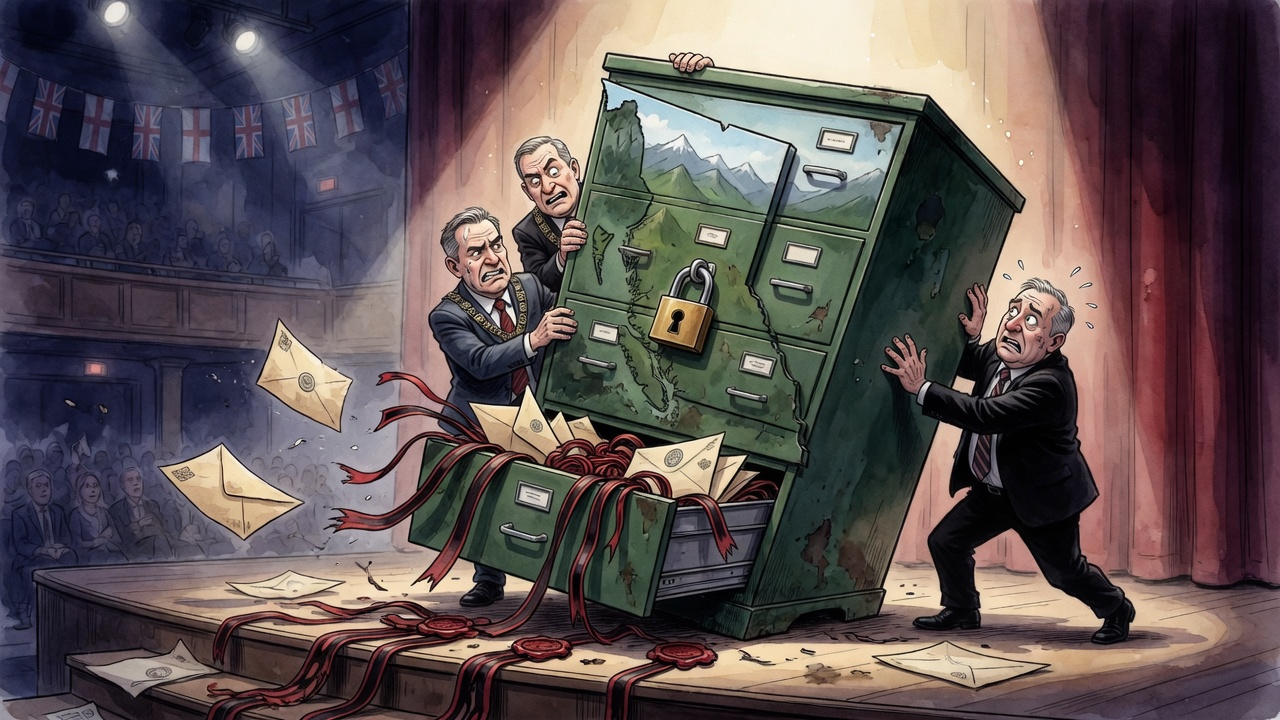
David Eby’s government has spent months treating public concern over DRIPA, land-claims policy and secrecy as something to manage. This week, municipal leaders are forcing those questions into the open.
CBC reported Monday that the annual, week-long UBCM convention begins in Vancouver against a grim fiscal backdrop: a record projected deficit, a growing trade war and an approaching municipal election. UBCM president Cori Ramsay told CBC the province’s current spending level is not sustainable and that the real question is which programs get pulled back and which are maintained.
That matters because local governments are being asked to absorb the consequences of provincial choices. They deal with housing targets, emergency costs, policing pressure, infrastructure bills and consultation duties. If Victoria is moving faster than communities can understand or afford, mayors and councillors have a duty to say so.
The most politically sensitive file is DRIPA. CBC says Tuesday’s plenary is titled “Understanding DRIPA: Opportunities, Challenges and Implications for B.C. Communities,” a three-hour session on the Declaration on the Rights of Indigenous Peoples Act. The province’s local-government minister of state, Brittny Anderson, told CBC she hopes it will produce broader knowledge about what DRIPA is and is not. Ramsay was blunter: she said there is “a lot of uncertainty” around DRIPA, including because recent court decisions such as Gitxaała appeared to catch the province by surprise.
That is not a fringe talking point. It is the UBCM president saying municipal members and the broader public want a serious forum. The NDP should stop pretending that public uncertainty disappears if critics are scolded hard enough. If DRIPA implementation is sound, show the process. If the rules are changing, say exactly how. If court decisions have exposed gaps, admit them and fix them in daylight.
The secrecy file is just as direct. CBC reports that one UBCM executive-prioritized resolution targets the province’s increased use of broad non-disclosure agreements. Ramsay alleged municipal staff are sometimes being told they must sign NDAs merely to speak with provincial staff about a general topic — sometimes before they are even told what the topic is — and called that a misuse of the tool.
Those are allegations from a municipal leader, not findings from a court. But they are serious, and the province’s answer did not settle the matter. CBC says Anderson would not explain, after being asked three times, why the province had been ordering more NDAs in recent years, though she said NDAs are sometimes needed for upcoming legislation and that B.C. is working on a clearer policy.
That is not enough. A government facing a projected $13.3-billion deficit, major public-service reductions and deep local-government pressure cannot ask municipalities to trust black boxes. Eby should release an NDA policy, publish annual counts by ministry, define when municipal staff can refuse, and make DRIPA implementation documents public by default except where lawful confidentiality is genuinely necessary.
UBCM is not just another convention week. It is where the people who must implement Victoria’s decisions get to test the slogans. This year, the test is simple: will the NDP answer DRIPA and secrecy questions in public, or will it try to push municipal democracy behind another locked door?