Eby’s Locked Directory Tests Whether Security Means Secrecy
B.C. says cybersecurity and privacy require closing the government directory to the public. Fine — then show British Columbians the replacement accountability system.
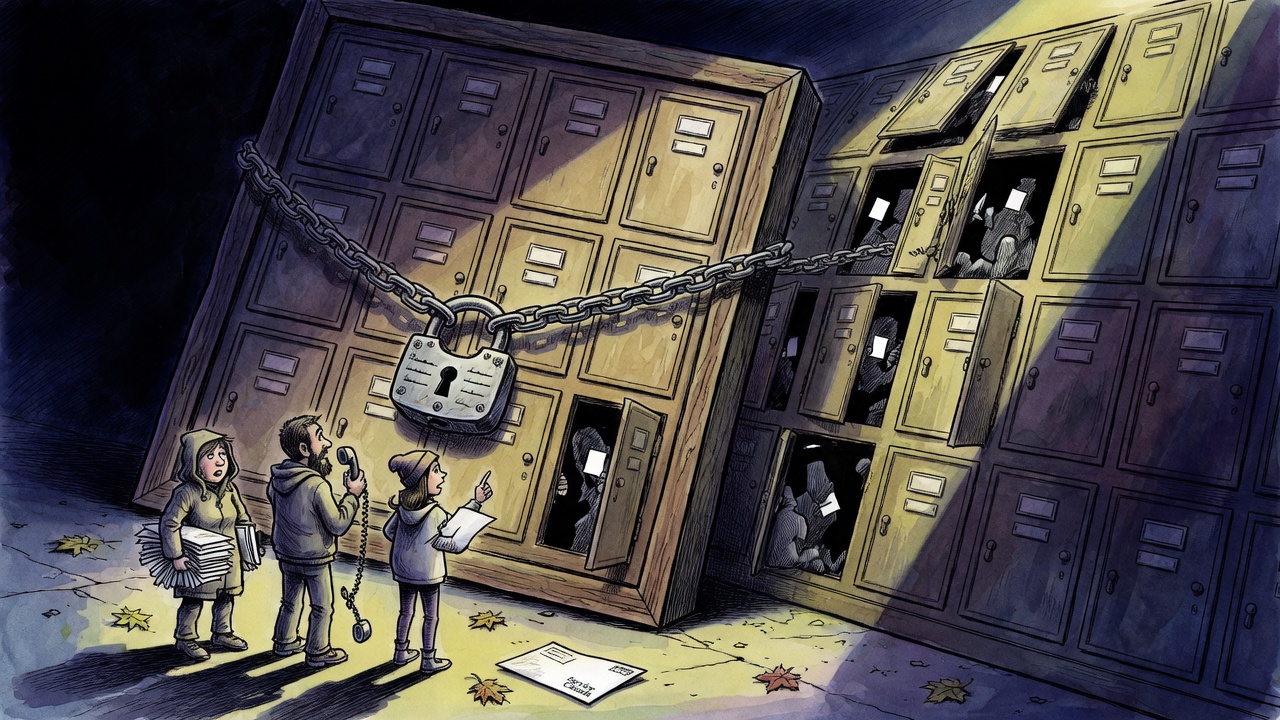
David Eby’s government has closed a door that British Columbians have used for decades. Global News reported on Aug. 18 that B.C. is ending public access to its online government directory, citing cybersecurity and employee privacy risks. The directory had allowed people to find provincial employees by name, department, work email and work phone number.
The government’s claim should be treated seriously. The Ministry of Citizens’ Services told Global the directory was created for legitimate contact with government, but the same information can be harvested by cyber threat actors. The ministry said B.C. fends off hundreds of cyberattacks each day and that artificial intelligence is making it easier to gather public information and create targeted messages. It also said law enforcement, including the RCMP, gave proactive advice to shut the directory down.
Those are real risks. Frontline workers should not be turned into easy targets for scams, harassment or credential attacks. But the public interest does not end where the old directory ends. A government that removes searchable public contact information must replace it with something equally useful for accountability.
The official directory page now says public access to employee and organizational directory information requires a B.C. government credential. For everyone else, the page points to Service BC, a services A-Z page, and a media-contact list. That may help someone renew a licence or reach a press secretary. It does not automatically help a citizen, journalist, business owner, local official or MLA identify which office owns a file, who manages a program, or where responsibility sits when decisions go wrong.
That is the accountability gap. B.C. can protect personal employee details without turning ministries into a switchboard maze. The province can publish searchable senior executive contacts, program responsibility charts, branch-level inboxes, escalation paths, service standards and updated organization charts. It can separate frontline privacy from executive accountability. It can show who has authority without exposing every individual worker’s direct line.
Global also reported that Jody Toor, the opposition critic for government services, said a directory of this nature had existed since the 1930s and argued the public has a right to understand government structure and decision responsibility. That is a political claim, but it points to a concrete test: what does the Eby government put in the directory’s place?
The wrong answer is “trust us, call the general number.” The right answer is a public replacement that protects staff while preserving direct, auditable routes into government. Cybersecurity cannot become a blank cheque for anonymity. If the NDP locks the old directory, British Columbians deserve a new map — not a padlock and a polite referral.