Victoria Says No to the West Coast Pipeline. Eby Should Say Where B.C. Stands.
As Ottawa weighs national-interest status for a major pipeline proposal, B.C. needs a straight answer on jobs, investment and who speaks for the province.
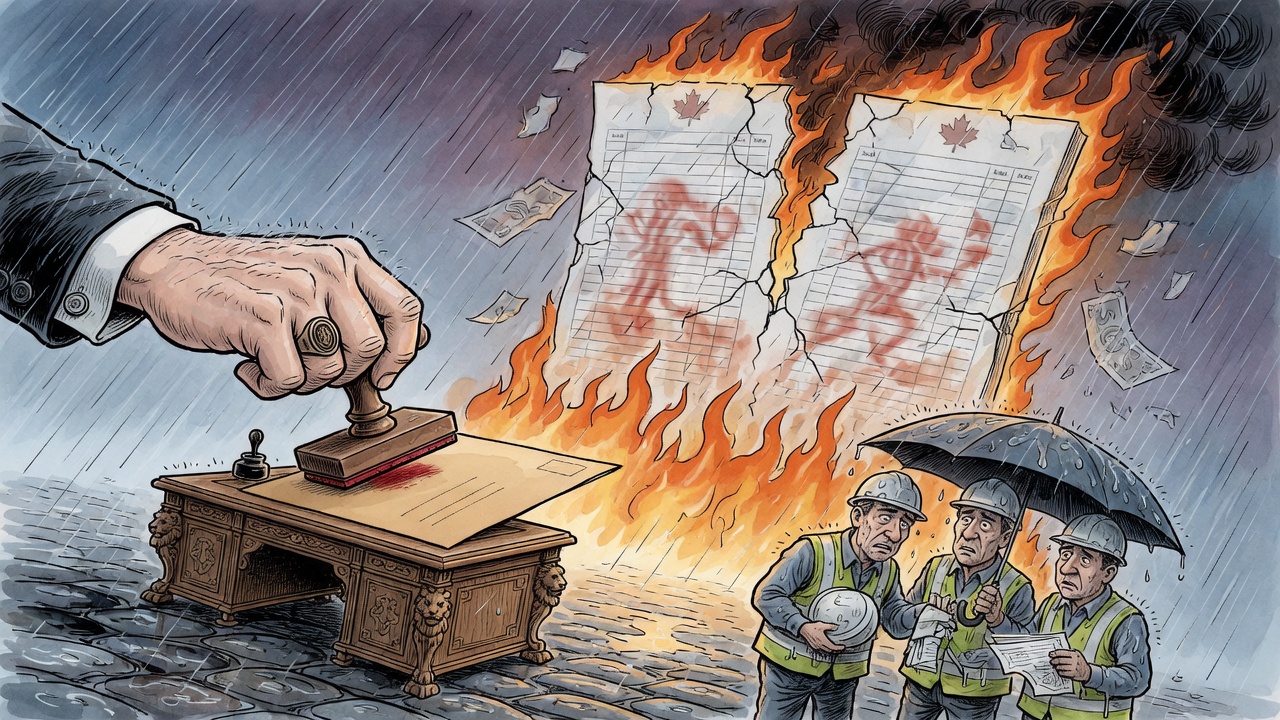
Victoria council has made its answer clear. According to Castanet, carrying Times Colonist reporting, council voted Thursday to ask Mayor Marianne Alto to prepare a submission against the proposed Alberta-to-B.C. West Coast Oil Pipeline and against labelling it a national-interest project under the Building Canada Act.
The proposal is not small. The federal Major Projects Office says Alberta is proposing an interprovincial pipeline capable of moving one million barrels per day from the Edmonton region to a deepwater port in southern B.C. The project description lists a roughly 1,250-kilometre pipeline, 11 pump stations, a receipt terminal, a delivery tank terminal and a marine facility. The proposed corridor would begin near Bruderheim and largely follow the existing Trans Mountain corridor.
Ottawa is taking comments on national-interest designation until September 18. The federal explainer says the Building Canada Act is designed to streamline federal approvals for projects considered to advance prosperity, economic security, trade, jobs and competitiveness, while still referencing environmental protection and Indigenous rights. Alberta says it delivered its submission to the Major Projects Office in July 2026 and expects national-interest listing by October 1.
There are legitimate environmental, Indigenous-rights, marine-safety and route questions that must be tested in public. But Victoria’s motion goes further than demanding scrutiny. It asks Ottawa to reject the project’s national-interest treatment before British Columbians have seen a full provincial ledger on jobs, revenues, port opportunities, risks, safeguards and tradeoffs.
That is where Premier David Eby cannot keep drifting. B.C.’s capital city is spending municipal time lobbying against a major export-infrastructure proposal while the province faces hard questions about investment, deficits and whether big projects can still be built here. If Eby agrees with Victoria, he should say so plainly. If he does not, he should tell British Columbians what conditions B.C. would require, what benefits it would demand, and what evidence would decide the province’s position.
The Alberta page describes the proposal as Indigenous co-owned or built with Indigenous participation, and says more than 100 Indigenous communities were engaged during early planning. Those claims also need examination, not slogans. Supporters should have to prove the economics and safeguards; opponents should have to explain what revenue, jobs and market access they would replace.
B.C. does not need another round of symbolic municipal theatre while senior governments trade process language. It needs accountable leadership. Before the September 18 comment deadline passes, Eby’s government should publish B.C.’s own pipeline ledger: the fiscal upside, environmental risks, Indigenous consultation status, coastal-safety standards, emergency-response requirements and the province’s bottom-line conditions. A province with bills to pay cannot afford to let everyone else define its economic future.
Sources and records
- Castanet / Times Colonist: Victoria council lines up against West Coast Oil Pipeline
- Government of Canada Major Projects Office: West Coast Oil Pipeline
- Government of Canada: Building Canada Act projects of national interest
- Government of Alberta: West Coast Oil Pipeline
- Global News / Canadian Press: Ottawa moves to list Alberta-backed West Coast pipeline as national-interest project