Eby’s LNG Two-Step: Cabinet Approves, Ministers Object
The Tilbury fight is not just an LNG fight. It is a cabinet accountability test for a government trying to sell prosperity while ministers publicly distance themselves from the tradeoffs.
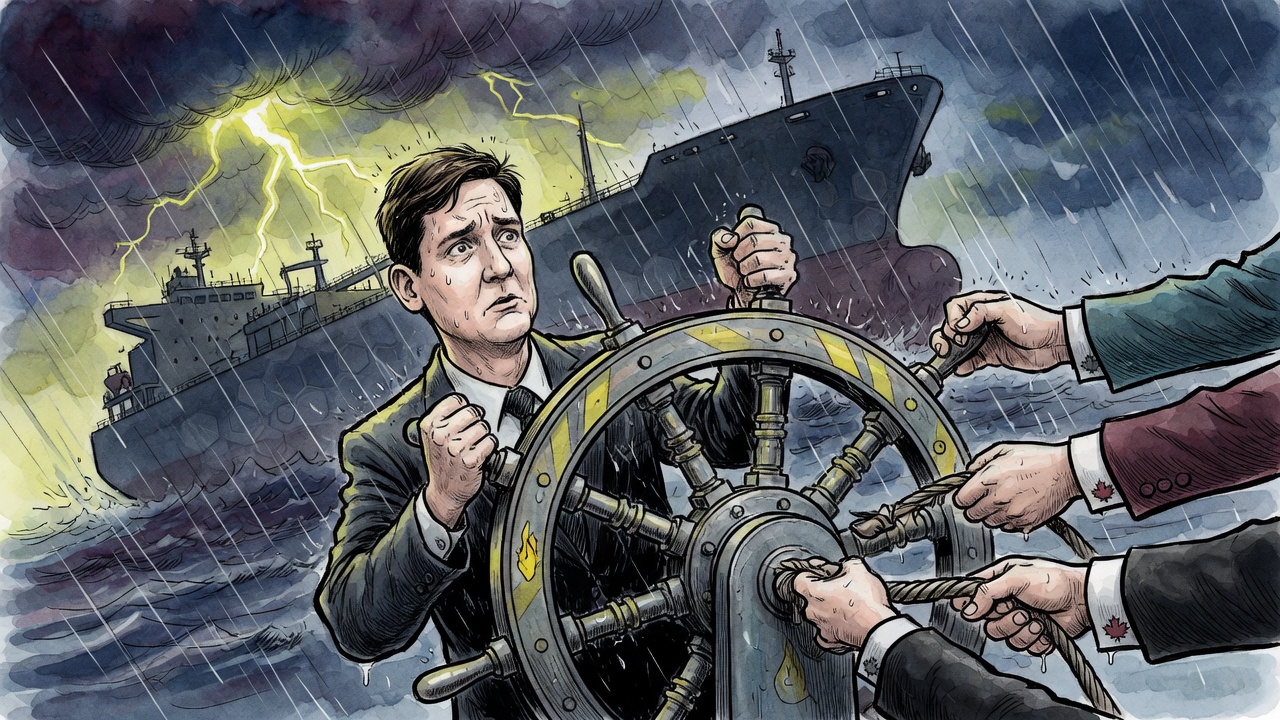
David Eby’s government has a new LNG problem, and it is not only about emissions, pipelines or FortisBC. It is about whether cabinet still means collective responsibility when the political heat rises.
The Tyee reports that Canada’s renewed push for oil-and-gas expansion is exposing fault lines inside Eby’s cabinet as LNG Canada moves toward a Phase 2 decision that could double its B.C. production. The immediate trigger, according to The Tyee, was cabinet’s decision to expedite FortisBC’s Tilbury LNG project by granting a certificate of public convenience and necessity and avoiding a British Columbia Utilities Commission hearing.
Energy and Climate Solutions Minister Adrian Dix defended the decision in the language governments like best: jobs, investment and lower-emission marine fuel. Then Richmond-Steveston MLA Kelly Greene, now emergency management and climate readiness minister, issued a statement expressing disappointment and saying her safety concerns had not been resolved. The Tyee reported that Eby’s office assisted with Greene’s statement, while Eby told reporters there is room in cabinet and caucus for disagreement.
That answer is too easy. Ordinary British Columbians do not get to treat cabinet decisions as optional. Businesses, workers, municipalities, First Nations, port users and nearby residents all have to deal with the consequences. If the government approves a path for Tilbury, the government owns that path. If ministers believe the decision is unsafe or wrong, the public deserves to know whether they tried to change it inside cabinet, whether they lost, and why the decision went ahead anyway.
The official record shows how concrete this file already is. In March 2024, B.C. issued an environmental assessment certificate for the Tilbury marine jetty on Tilbury Island in Delta. The province said the jetty would fill LNG carrier ships and bunkering vessels supplied from the existing FortisBC Tilbury plant. It also said the project still required federal approvals and other permits, estimated construction spending at $154 million to $260 million over four years, and noted that the proposed FortisBC Tilbury LNG plant expansion was a separate project undergoing its own environmental assessment.
Then, in July 2026, Eby and Prime Minister Mark Carney announced a Canada-B.C. Cooperative Prosperity Agreement built around transportation, clean energy, resource projects, jobs and growth. The B.C. release highlighted support for the North Coast Transmission Line, up to $3 billion toward the Fraser River Tunnel Project, protection of the North Coast tanker ban and compensation if Ottawa imposes a pipeline on the province.
That is the contradiction. Eby wants the prosperity headline and the federal infrastructure money. His cabinet also wants room for ministers to tell local or climate-focused voters that they object. But cabinet government is not a choose-your-own-adventure novel. When the decision is made, responsibility has to land somewhere.
The NDP cannot keep asking British Columbians to trust LNG approvals, climate reversals, pipeline positioning and billion-dollar infrastructure bargains while ministers step forward with separate disclaimers. Eby should give a direct accounting: what was approved, what was bypassed, what risks remain, and which minister is accountable if the Tilbury decision proves wrong.