B.C. Workers Want a Clear Heat-Safety Line. Under the NDP, They Still Get Guesswork.
The government that brands itself as pro-worker should not leave heat protection to a fog of judgment calls when summer job sites turn dangerous.
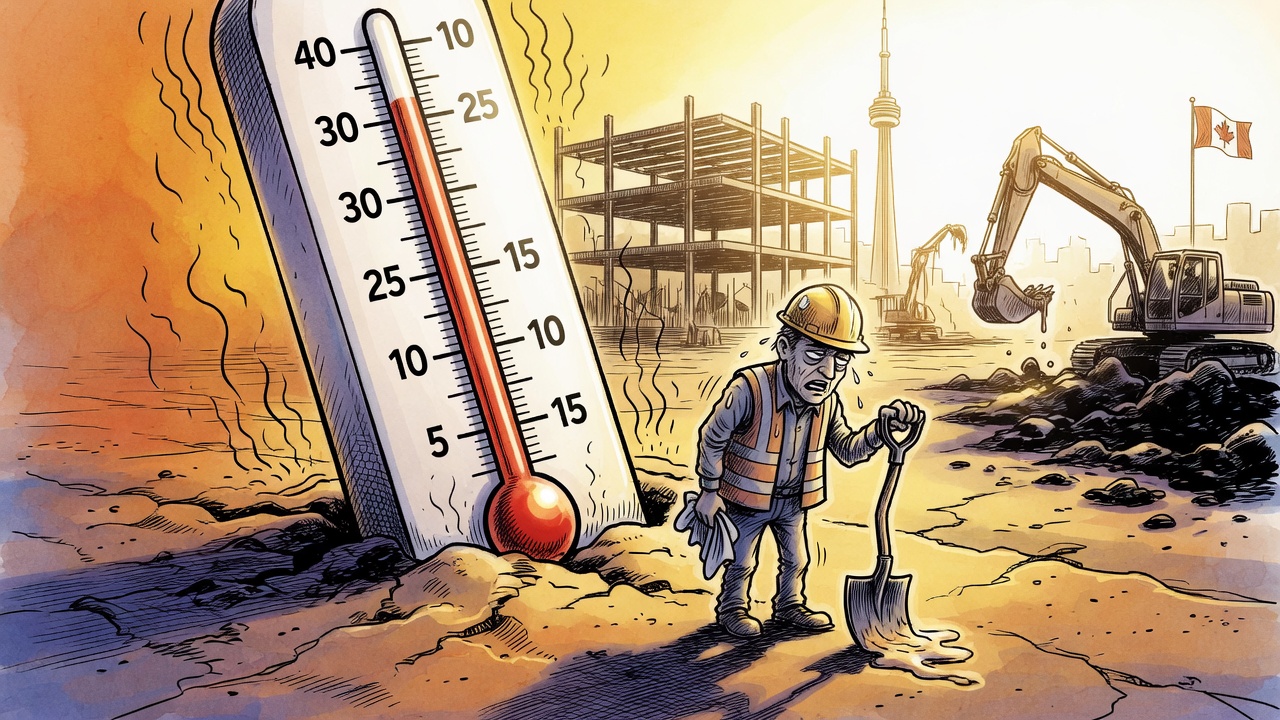
British Columbians are working through hotter summers, hotter job sites and hotter indoor workplaces. Yet the basic question many workers want answered is still unresolved: at what point must heat protections clearly kick in?
CBC reported, in a story carried by Yahoo News, that WorkSafeBC requires employers to assess heat-stress risks and apply appropriate controls, but does not use one single temperature threshold to define unsafe work. WorkSafeBC’s own heat-stress guidance says employers should start monitoring conditions as temperatures approach 23 C to 25 C, while stressing those numbers are not exposure limits.
There is a legitimate technical point here. Heat risk is not only a thermometer reading. WorkSafeBC notes that humidity, direct sun, reflected heat from pavement, workload, hydration, health conditions and protective clothing can all affect danger. Temperature alone cannot predict every workplace risk.
But complexity is not an excuse for vagueness. Workers and unions told CBC and Canadian HR Reporter that the current approach leaves too much room for interpretation. Bricklayers and Allied Craftworkers B.C. president Geoff Higginson argued that a specific standard would tell both workers and employers when protective measures must apply. That is not anti-safety bureaucracy. That is basic clarity.
The gap is serious enough that IATSE 891, representing B.C. film and television workers, built its own heat-stress app after members reported heat-related concerns in summer 2022, including incidents CBC said were serious enough to require ambulance transport to hospital. The app can help workers bring evidence to an employer. But according to the reporting, even an unsafe reading still leaves action in the employer’s hands.
That is the political failure. The NDP cannot campaign as the workers’ party and then leave workers to negotiate safety one crew, one foreman and one complaint at a time. A roofer, farm worker, warehouse worker, landscaper, film crew member or home-care worker should not need a personal science project to know when the province will back them up.
WorkSafeBC says employers are responsible for managing heat stress, creating exposure-control plans when workers may be at risk, and using measures such as rescheduling hot work, rest cycles, cool-down areas, water, shade, ventilation and training. Good. Then David Eby’s government should be willing to answer the next question publicly: what clear, enforceable triggers will make those protections real before workers are already dizzy, dehydrated or in an ambulance?
B.C. does not need slogans about standing with workers. It needs rules workers can understand, employers can follow and inspectors can enforce. If the province can see the heat coming, it can draw the line before someone collapses on the job.