DRIPA Repeal Petition Gets Green Light — Eby’s Legal Chaos Now Has A Clock
Whatever voters think of repeal, the NDP has let DRIPA become a province-wide test of trust, clarity and democratic accountability.
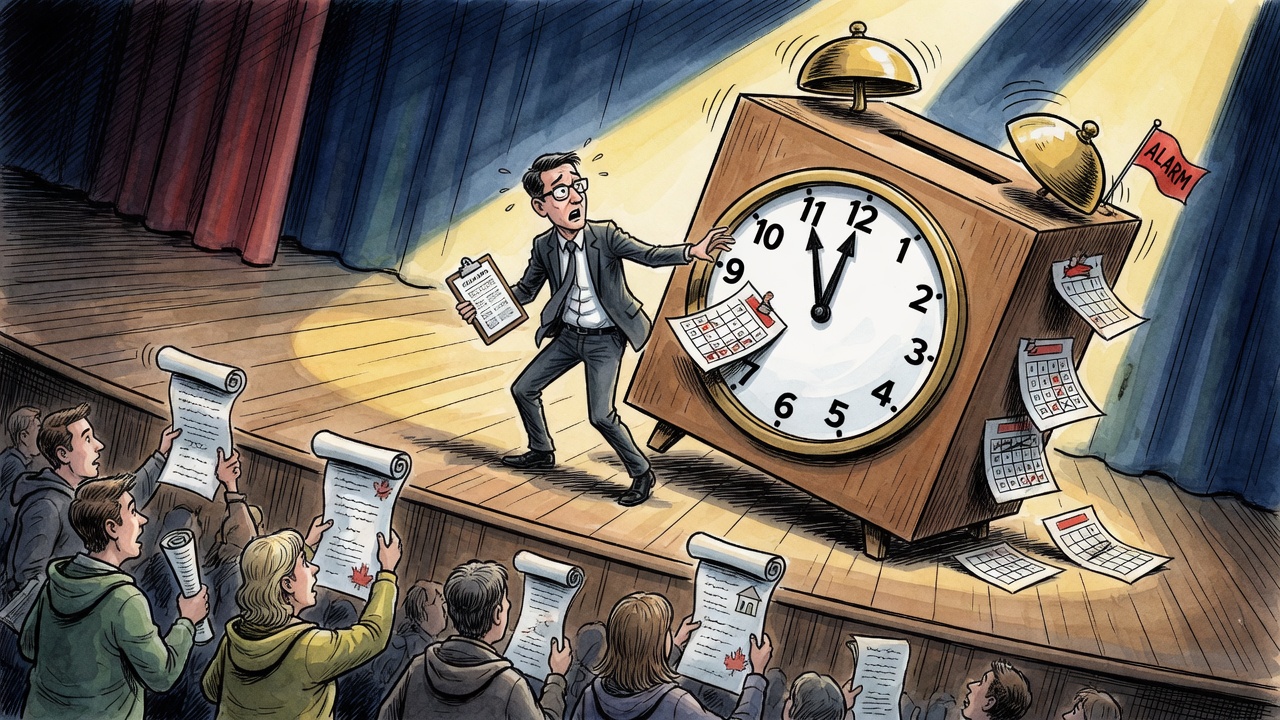
Elections BC has approved in principle an initiative petition titled “Initiative: Repeal Declaration on the Rights of Indigenous Peoples Act.” That does not repeal the law. It does something politically dangerous for David Eby’s government: it starts a public accountability clock on a file the NDP has spent months muddying.
The official notice says the proponent is Harman Bhangu and that the proposed draft bill would repeal the Declaration on the Rights of Indigenous Peoples Act upon Royal Assent. Elections BC says its role is non-partisan and procedural: the Chief Electoral Officer must decide whether an application meets the legal requirements before allowing a petition to proceed.
The threshold is deliberately difficult. Supporters must collect signatures from at least 10% of registered voters in each of B.C.’s 93 electoral districts. The petition is scheduled to be issued on Monday, October 26, 2026, and the official approval notice says signature sheets must be submitted by Monday, January 25, 2027. Elections BC also says the initiative process is not binding; if the signatures are sufficient, the petition goes to the Legislative Assembly for next steps, which may include introducing the draft bill or sending it to an initiative vote.
That matters because the government cannot dismiss this as just another news cycle. CityNews reports Bhangu, the BC Conservative MLA for Langley-Abbotsford, framed the petition as a response to the NDP’s shifting handling of DRIPA. Those are partisan claims, and they should be treated as claims. But the existence of the petition is an official fact, and its calendar is now public.
The NDP response is also on the record. CityNews reports Indigenous Relations and Reconciliation Minister Spencer Chandra-Herbert argued repeal would divide British Columbians, harm relationships with First Nations and risk jobs and economic stability. Those are serious government claims. The problem is that serious claims require more than rhetorical warnings from a podium.
If DRIPA is working, the Eby government should show exactly how it protects rights while preserving clear rules for homeowners, local governments, employers, project proponents and First Nations. If amendments, pauses or clarifications are needed, say so plainly. If the government believes repeal would damage the economy, publish the legal and economic analysis behind that warning.
This is not a licence to attack Indigenous people or caricature Aboriginal rights. It is a demand that the provincial government explain its own law. British Columbians deserve reconciliation policy that is lawful, transparent and understandable — not a rolling fog of cabinet messaging, opposition slogans and last-minute damage control.
Before October 26, Premier Eby should table a DRIPA accountability ledger: every planned amendment, every active consultation stream, every property-rights assurance, every unresolved legal risk, and the plain-language reason voters should trust his government’s approach. If Victoria will not provide clarity before the petition clock starts, it should not be surprised when voters use the tools the law gives them.