Certified First Nations Fire Crews Were Waiting. Why Was B.C. Looking Overseas?
If certified Indigenous wildfire crews say they were ready but skipped, B.C. owes the public the deployment rules.
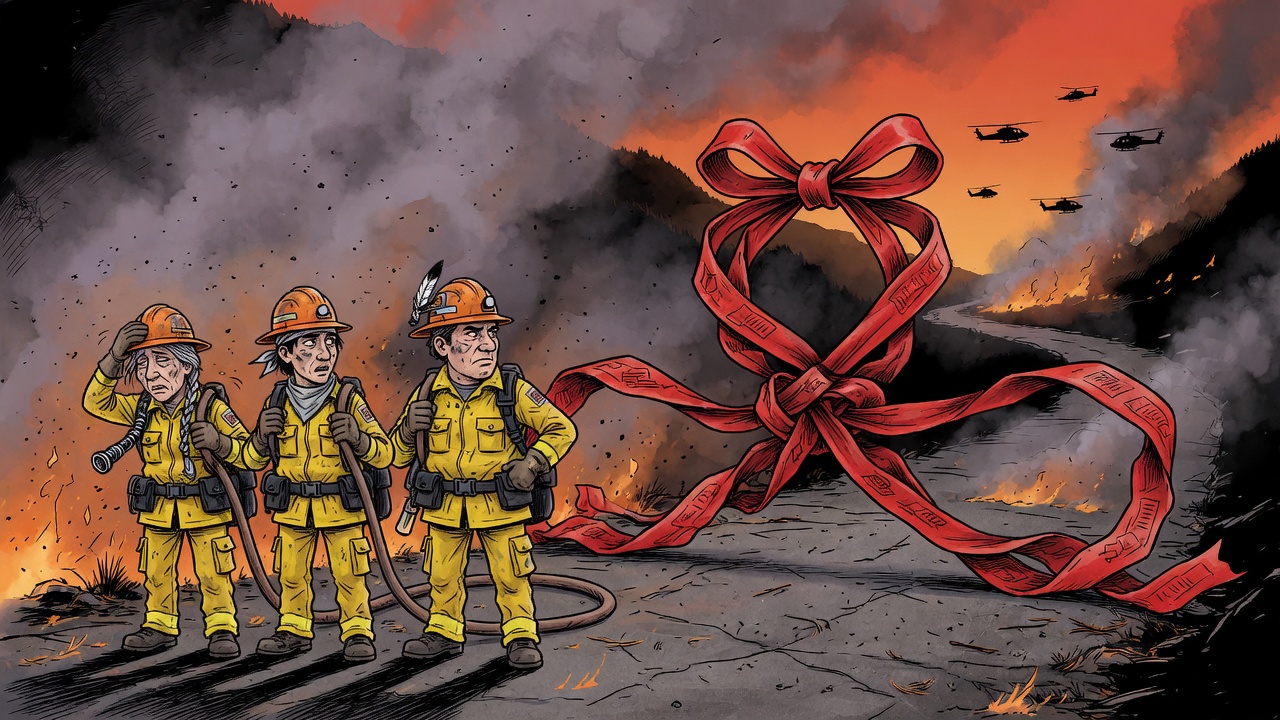
As B.C. fights large wildfires with help from across Canada and overseas, a hard question is now sitting at the border: why do certified First Nations firefighters in the Yukon say they have not been called?
Canadian Press reported that Yukon First Nations Wildfire says its crews are “ready, willing and able” to help with out-of-control fires in B.C. The organization said its crews are trained and certified, could reach B.C. faster than firefighters flown from overseas, and were being passed over while B.C. brought in crews from countries including Mexico and Costa Rica.
That is not an argument against international help. When communities are threatened, every qualified crew matters. The accountability issue is whether B.C.’s emergency system is using nearby Indigenous capacity before taxpayers fund longer-distance deployments, and whether the rules make sense to the people left waiting beside their trucks.
The Canadian Interagency Forest Fire Centre told CP that wildfire resources are co-ordinated nationally and internationally, but that each provincial or territorial fire-management agency decides who it wants to hire. The centre also said hiring and contracting protocols vary by agency, and that it is working with Indigenous partners to better understand and address barriers to Indigenous wildfire-resource participation and deployment.
That answer points directly back to Victoria. If provinces decide who they hire, then B.C. should be able to describe its own process in plain English. How does an Indigenous wildfire crew get on the usable list? Who verifies credentials? Who ranks crews? What mobilization triggers apply? How are travel costs, contracts, insurance, command integration and payment handled? And when a qualified Indigenous crew says it is being skipped, who has to answer before another week of fire season passes?
The report said neither the BC Wildfire Service nor the provincial Ministry of Emergency Management immediately responded to CP’s request for comment. Silence is not good enough when B.C. has spent years promising government-to-government respect, Indigenous partnership and modern emergency management.
Yukon First Nations Wildfire said it is not seeking special treatment. It wants to know why it is being skipped. That is a fair public-interest question, especially in a province where wildfire costs, evacuation strain and local capacity are no longer seasonal surprises.
B.C. should release the deployment pathway for Indigenous wildfire resources: registration requirements, contracting rules, call-out criteria, past deployment numbers, barriers identified by CIFFC or Indigenous partners, and what the province changed this season. If the answer is that Yukon crews did not meet a specific requirement, say which one. If the answer is paperwork, fix it before the next emergency. A government that speaks the language of reconciliation should not make certified First Nations firefighters wait behind a wall of red tape while the forests burn.