BC Housing’s $55M Granville Bet Now Looks Like a Taxpayer Write-Down
The province bought high, watched the Luugat SRO deteriorate, and still has not shown British Columbians the exit plan.
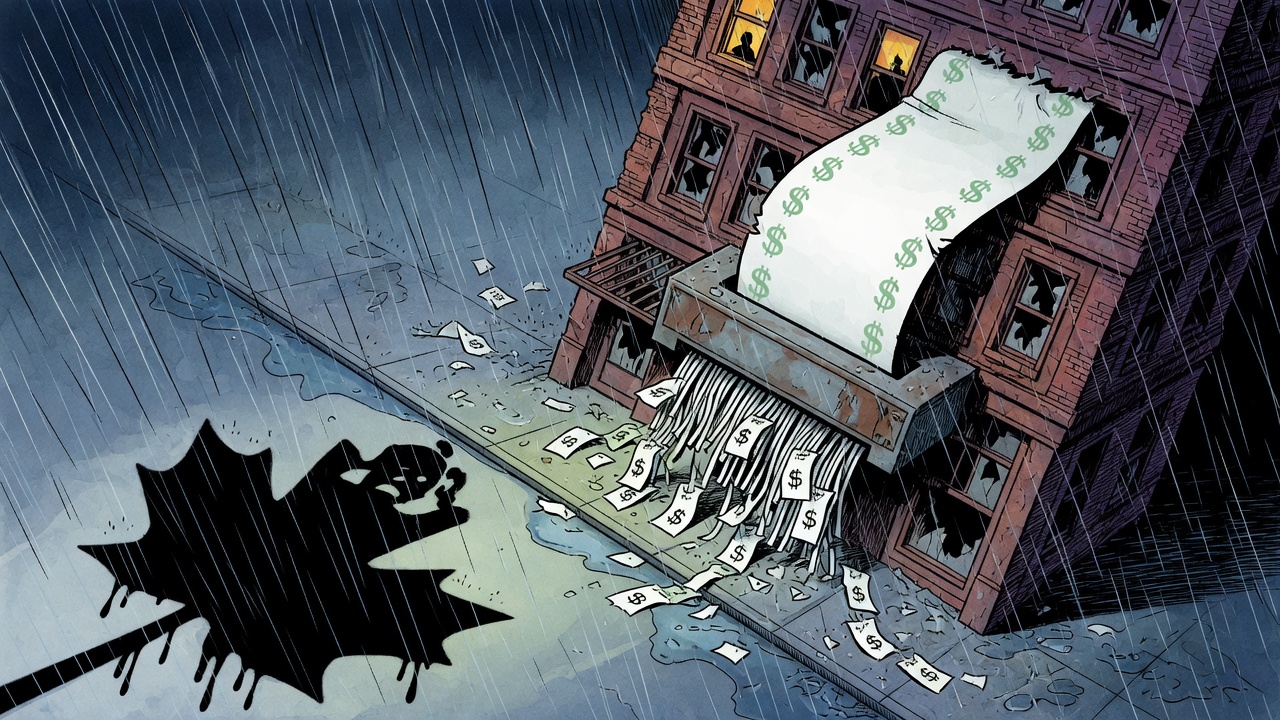
BC Housing’s Granville Street hotel purchase was sold in 2020 as temporary supportive housing with a longer-term affordable-housing plan. Six years later, Global News reports the same property now looks like a major taxpayer write-down.
The numbers are stark. The B.C. government’s own June 24, 2020 release said the province, through BC Housing, bought the 110-room Howard Johnson Hotel at 1176 Granville Street and the neighbouring development site, providing approximately $55 million for the purchase. Global reports the combined assessed value of the hotel and adjacent parking lot was $38.6 million at the time. Today, Global says the two sites are assessed at roughly $27.5 million.
That is not a rounding error. It is the gap between a political promise and the public ledger.
Global quotes Vancouver real-estate consultant and retired architect Michael Geller saying it is not unreasonable to assume the province will lose about half of what it paid. He added that when he says the province is losing half, he means B.C. taxpayers are losing half of what was spent, before counting other costs attached to the site.
Those other costs matter because the Luugat SRO was not merely an investment that drifted down with the market. Global reports the building saw several fires and more than 200 floods, soaking Alan Goodall’s Aura nightclub below. The report also says the former hotel has generated thousands of police and fire calls and numerous street-disorder complaints since it began housing people from encampments during COVID-19.
The government’s original release promised temporary supportive housing while long-term plans were developed. It said residents would have access to meals, health care, addictions treatment, harm reduction, storage, and 24/7 staffing. That is the standard Victoria asked the public to trust. The record Global describes is the standard taxpayers are now entitled to audit.
Vancouver Mayor Ken Sim told Global that, from a financial point of view, taxpayers were “hosed.” The Canadian Taxpayers Federation’s B.C. director Carson Binda called it a bad deal at a time when British Columbians are struggling with tax hikes and the rising cost of living. BC Conservative critic Claire Rattée questioned what justified paying $16 million over assessed value and said proper supports were not in place for vulnerable residents.
The province told Global that BC Housing received an independent appraisal before buying 1176 and 1150 Granville Streets and purchased both sites for less than the appraised value, but did not disclose that appraisal. When asked about demolition and taxpayer losses, the Ministry of Housing and Municipal Affairs said future-use plans are in development and options will be considered for best value.
That answer is not good enough. If Victoria paid above assessed value because it had a defensible housing plan, show the appraisal, the maintenance costs, the incident costs, the closure costs, and the redevelopment options. Taxpayers do not need another slogan about housing urgency. They need the receipt.