B.C. Nurses Gave the NDP 72 Hours. Patients Deserve Answers.
The Eby government’s health-care labour peace just cracked again — this time with a legal strike clock attached.
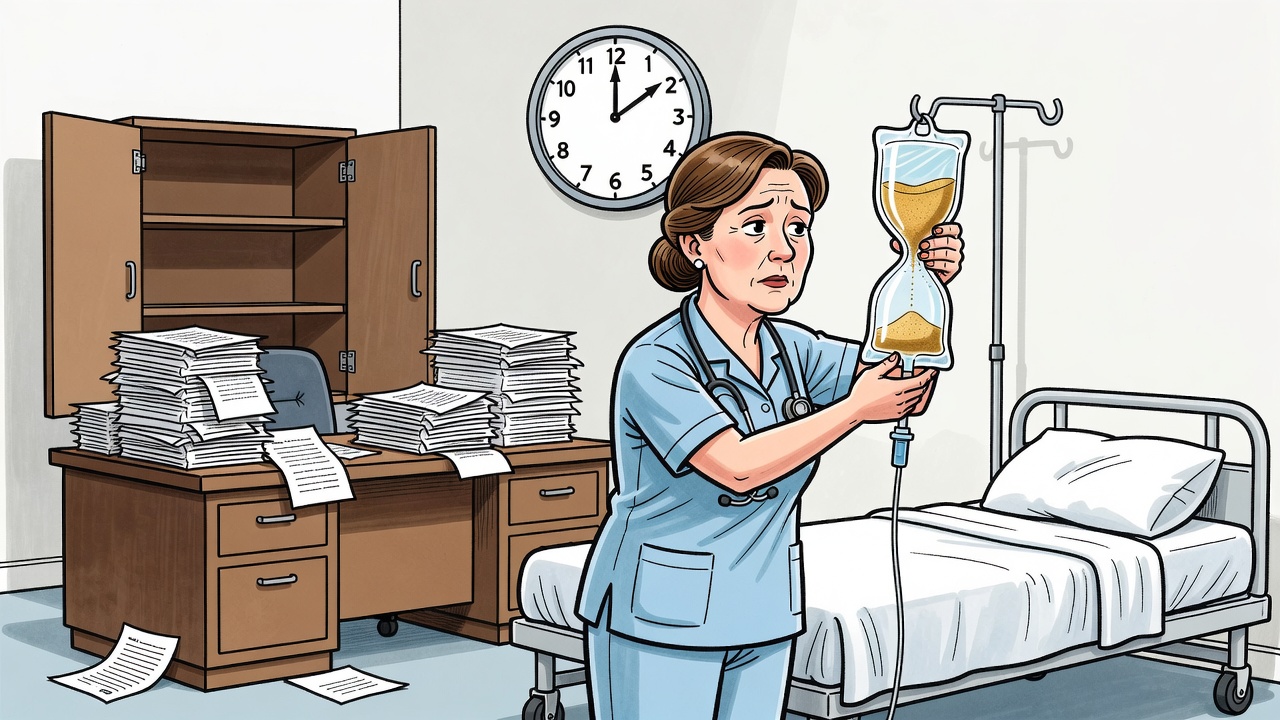
A government that wants credit for health-care stability now has to answer for a 72-hour strike notice from the nurses holding the system together.
B.C.’s nurses have escalated. On June 29, the BC Nurses’ Union announced that nurses issued 72-hour strike notice after rejecting the tentative agreement reached between the Nurses’ Bargaining Association and health employers. CityNews reported the practical consequence clearly: union president Adriane Gear said nurses would be in a legal position to strike Thursday if negotiations do not produce progress.
The numbers behind the notice are not marginal. BCNU says 50,850 nurses participated in the May 8–11 strike vote, with 98.2 per cent voting in favour of job action. The tentative agreement reached May 22 was then rejected by 67 per cent of members. That sequence — strike mandate, tentative deal, rejection, strike notice — is a blunt verdict on the state of the Eby government’s health-care labour file.
The union’s case is specific and should be treated as a claim from the bargaining side: nurses say chronic short staffing, workplace violence, workload pressure and unsafe conditions have pushed the profession past normal contract frustration. BCNU quoted Gear asking why health authorities spend heavily on short-term staffing fixes while long-term nurses are told the “cupboards are empty.” That is a political question as much as a bargaining question.
The public also deserves precision. A strike notice is not the same thing as a full strike, and essential-services designations still matter. Canadian Press reporting carried by CityNews said possible job action could range from an overtime ban to larger withdrawals of services, excluding work already designated essential. That distinction matters because patients should not be frightened by exaggeration — but they also should not be patronized with soft-focus assurances.
Health Minister Josie Osborne said the province respects workers’ bargaining rights and that British Columbians will continue to get needed care. She also said the best agreements are found at the bargaining table. Fine. Then the government should explain what it is doing at that table to address the staffing, safety and workload problems nurses keep putting on the record.
This is the accountability test for David Eby’s NDP. After years of health-care announcements, patients are still seeing crowded facilities and exhausted workers. Nurses are now using the strongest legal tool available before job action. The premier cannot file this under labour-process noise. If the people who keep hospitals running are this angry, the crisis is not theoretical. It is at the bedside, and the clock is running.
Sources and records
- BC Nurses’ Union, June 29, 2026: B.C. nurses issue 72-hour strike notice
- CityNews Vancouver, June 29, 2026: BCNU issues 72-hour strike notice
- Global News, June 29, 2026: B.C. nurses issue 72-hour strike notice
- iNFOnews / The Canadian Press, June 29, 2026: strike notice and possible job-action range
- Health Sciences Association, June 29, 2026: NBA issues 72-hour strike notice