Nurses Were Left Holding the NDP’s ‘More Work to Do’ Receipt
BCNU’s updated election file turns the NDP’s health-care record into a checklist of unfinished promises.
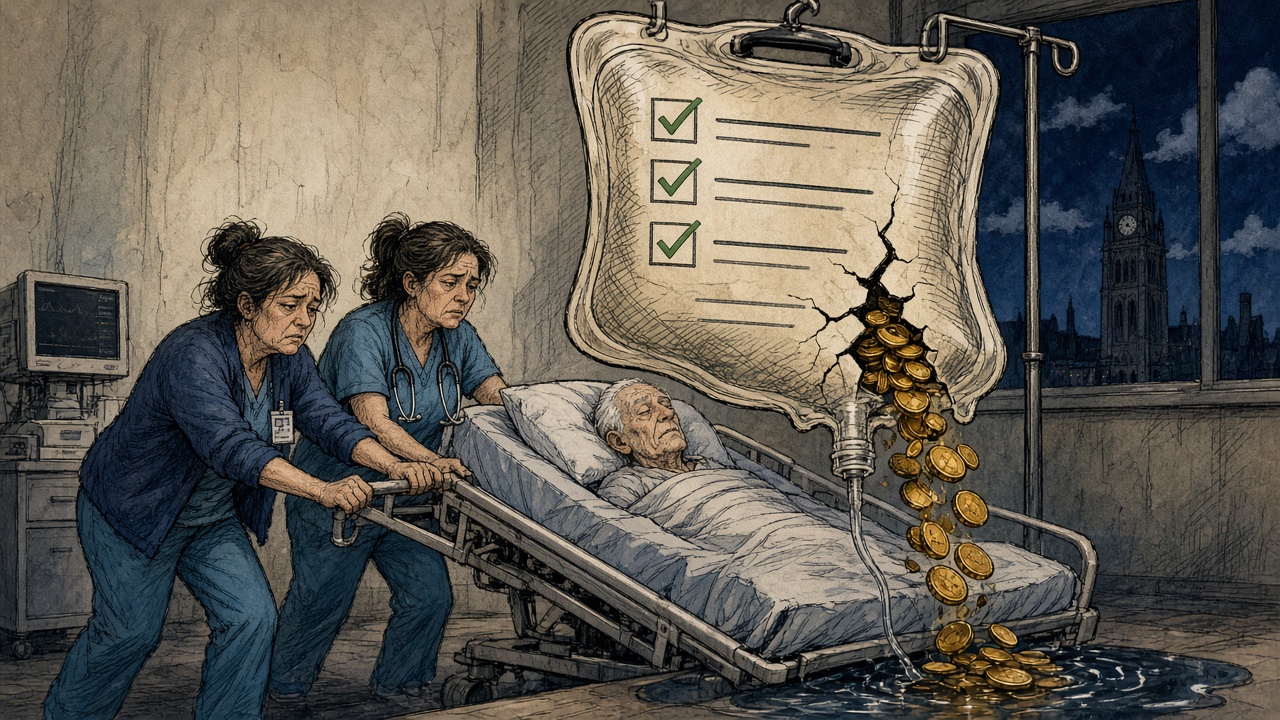
The election may be over, but nurses were left with the same file folder: staffing ratios not fully done, private agency reliance acknowledged, and workplace violence still pressing from the hallway into the bedside.
That is not an opposition caricature. It is the receipt sitting in the British Columbia Nurses’ Union’s 2026 provincial election material, updated November 3. BCNU says staffing shortages have put the health-care system under immense strain. It also says minimum nurse-to-patient ratio implementation in emergency departments is next, and that this step would help prevent temporary emergency-room closures. Then comes the phrase that should haunt the NDP record: there is still much work to be done.
The NDP’s answer to BCNU tried to claim progress. It said more than 85 per cent of the first wave of ratios had been activated in hospitals. That is worth noting fairly. Ratios matter, nurses fought for them, and partial implementation is not nothing.
But the same answer also concedes the central failure. The NDP told nurses that health authorities had become too reliant on private agency nurses, and that agency nurses can cost as much as twice the hourly cost of a regular unionized nurse. In plain language: after years of government announcements, the public system was still using an expensive workaround to cover holes that stable staffing was supposed to close.
BCNU’s workplace-violence campaign adds the second receipt. The union says nurses presented violence-prevention measures to MLAs and every B.C. health authority in October 2025. BCNU’s claim is that government and health employers have yet to meaningfully act on those measures. Its demands include fulfillment of the government’s 2016 promise to implement a violence-prevention framework.
Those are claims from the union and should be labelled as such. They are also serious enough that the next health minister should not be allowed to answer with another slogan about recruitment. Nurses deserve a public accounting: which ratios are fully implemented by unit and facility, how many agency hours remain, what the agency spend is, where violence-prevention measures have been adopted, and when the promised framework will be complete.
The NDP spent years asking British Columbians to trust the announcement. BCNU’s election file asks a harder question: what was actually finished? If the system still needs emergency-department ratios, still leans on costly agency staffing, and still has nurses campaigning against violence as “not part of the job,” then the handoff was not a success story. It was an unfinished checklist passed to the people already carrying the ward.