The Calendar Eby Couldn’t Dissolve: DRIPA’s Court Clock Is Still Running
The election paused politics. It did not pause the Supreme Court file the NDP left behind.
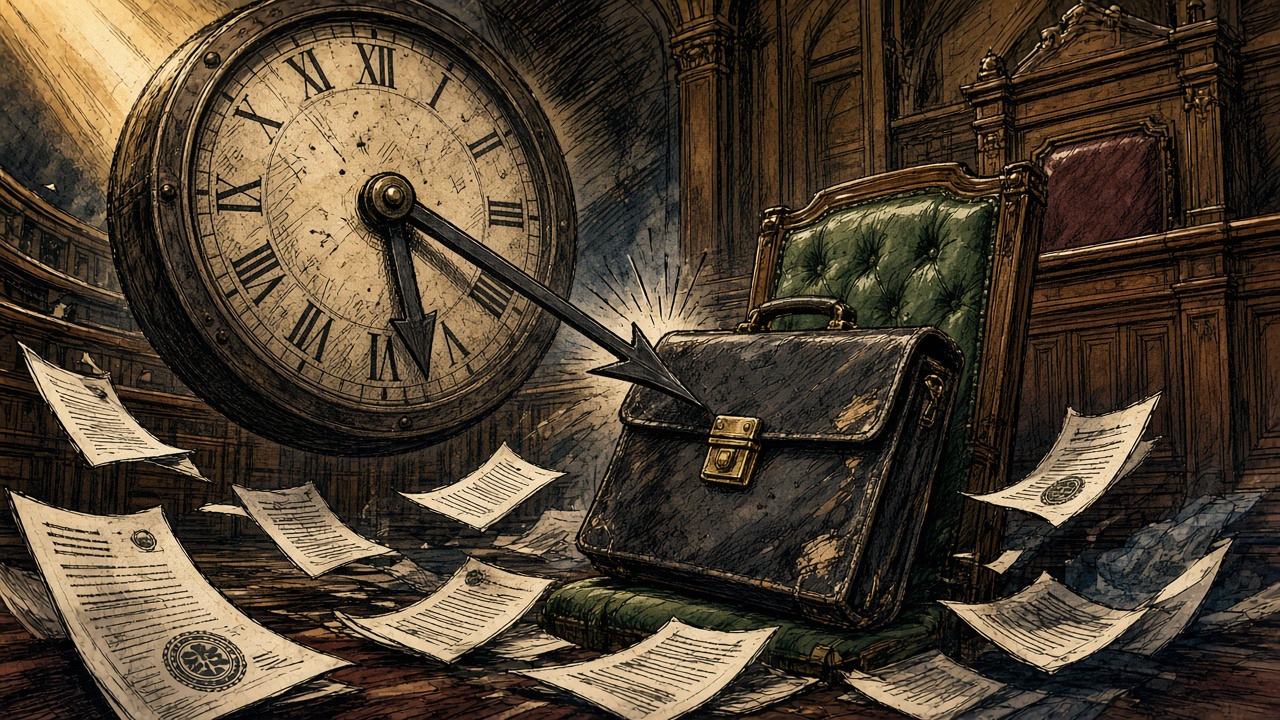
David Eby could dissolve the legislature. He could not dissolve the DRIPA court calendar.
The Supreme Court of Canada’s file 42200 is still moving through the machinery of national litigation. The case is the B.C. appeal in Chief Gold Commissioner of British Columbia, et al. v. Sm’ooygit Nees Hiwaas, also known as Matthew Hill, on behalf of the Smgyigyetm Gitxaala, and Gitxaala Nation, et al. It is not a provincewide private-property ruling, and the Supreme Court has not decided the appeal. But the docket is already a warning label on the NDP’s record: DRIPA uncertainty did not vanish when the writ dropped.
On October 14, Chief Justice Richard Wagner ruled on a long list of intervention applications. The order granted leave to 33 interveners or groups, including attorneys general, First Nations organizations and governments, industry voices, civil-liberties groups, human-rights organizations and MiningWatch Canada. Each may file a factum of up to 10 pages and each gets up to five minutes of oral argument. That breadth matters. It shows that the legal questions created under the NDP’s framework are not small, local or easily waved away.
The deadlines now run straight through B.C.’s transition period. The interveners’ materials are due November 20. The appellants and respondents may file single reply factums to all interventions by December 18. Meanwhile, Elections BC’s preliminary initial count has Conservatives leading 63 districts and the BC NDP leading 28, with final count scheduled for November 6 to 10. The Legislative Assembly says information for the 44th Parliament will be available only after certified results are received on November 18.
That leaves British Columbians watching two clocks: one for certified election results, another for the court file the next government inherits. BC Ballot’s DRIPA tracker records that Conservatives and OneBC campaigned on repealing DRIPA, while the NDP voted against DRIPA-repeal private-member bills and opposed repeal in the 43rd Parliament. Voters may disagree about repeal, consultation, title, resource certainty and reconciliation. They should not be left guessing what the province will defend, rewrite, repeal or disclose.
The hard accountability question is simple: why did the NDP leave such a consequential file to collide with an election transition? If DRIPA implementation is sound, show the public the rules, the legal risk and the decision-making map. If it needs repair, say what changes are coming. What B.C. cannot afford is another round of slogans while the actual legal calendar does the governing.