Whiteside Said the Quiet Part: Eby’s Snap Election Broke Trust
The NDP’s new interim leader has put the central election damage on the record: the party broke trust. Now the decision ledger has to come out.
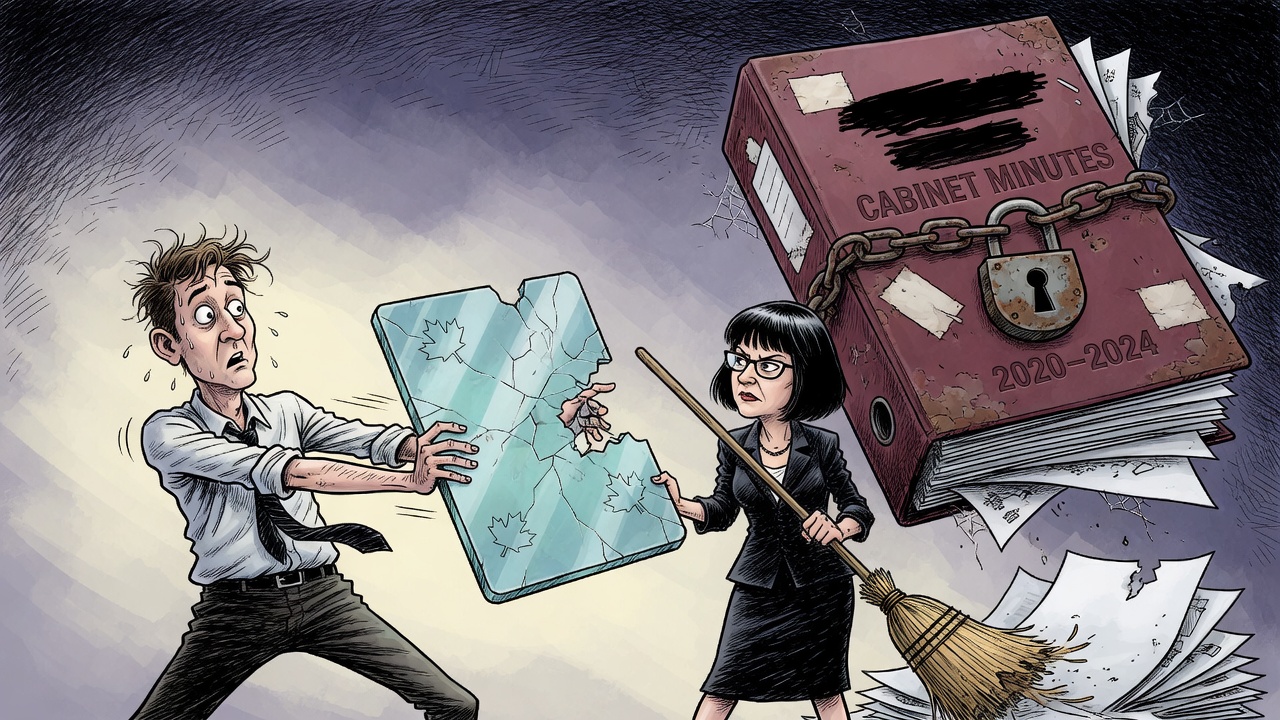
Jennifer Whiteside did not inherit a normal opposition job. She inherited the cleanup file for David Eby’s snap election.
Freshet News reported Saturday that the New Westminster–Coquitlam MLA will serve as the BC NDP’s interim leader after the party’s provincial council selected her on October 30, following a unanimous caucus recommendation. The same report says Eby stepped down after the October 24 provincial election, which he called early in an attempt to increase the NDP’s legislative strength. Instead, Freshet reported, the Conservatives won 63 seats and will form a majority government.
The important line is not procedural. It is moral. In an October 31 statement to Freshet, Whiteside said the outcome was not what the party had worked for and added: “Clearly, calling the election was a mistake, and we broke trust with British Columbians.”
That is the first honest frame the NDP has offered since the defeat. The issue is not simply that Eby gambled and lost. The issue is that a premier with two more years in a majority mandate chose to send the province into an avoidable campaign, then left his successor to tell voters the party had damaged public trust.
CityNews’ October 30 report adds the internal process problem. It reported that Mike Farnworth will be the NDP house leader and Niki Sharma caucus chair as the party becomes Official Opposition. It also quoted defeated MLA Rick Glumac saying the snap-election call reflected a “top-down approach” that had caused the party to lose touch with public needs. Glumac also warned that the next leadership race should not repeat the controversy of 2022, when Anjali Appadurai was disqualified and Eby took the leadership uncontested.
Those facts create a clear accountability test for Whiteside. If the snap election broke trust, repairing trust cannot mean changing the nameplate on the leader’s door and moving on. It means showing British Columbians who advised the early call, who warned against it, what polling or seat math was used, what cabinet and caucus were told, and why a fixed-date expectation was treated as optional.
The official timeline makes the damage measurable. The Legislative Assembly says the House was dissolved on September 22, 2026, and that certified MLA information for the 44th Parliament will not be available until November 18. Elections BC’s 2026 page lists writ day as September 22, final voting day as October 24, final count planned for November 6–10, and Return Day as November 18. That is the public machinery Eby activated.
Whiteside’s strongest move now would be disclosure, not reassurance. The NDP’s new opposition caucus should release a decision map for the snap election and commit to an open leadership contest with real debate. Anything less would repeat the same managed culture Glumac identified.
The NDP’s interim leader has named the breach. The repair starts when the party opens the locked file.