Eby’s Snap Election Left a Voting-Access Hangover
David Eby chose the snap-election timing. Elections BC had to administer it. Voters were left with the access problem.
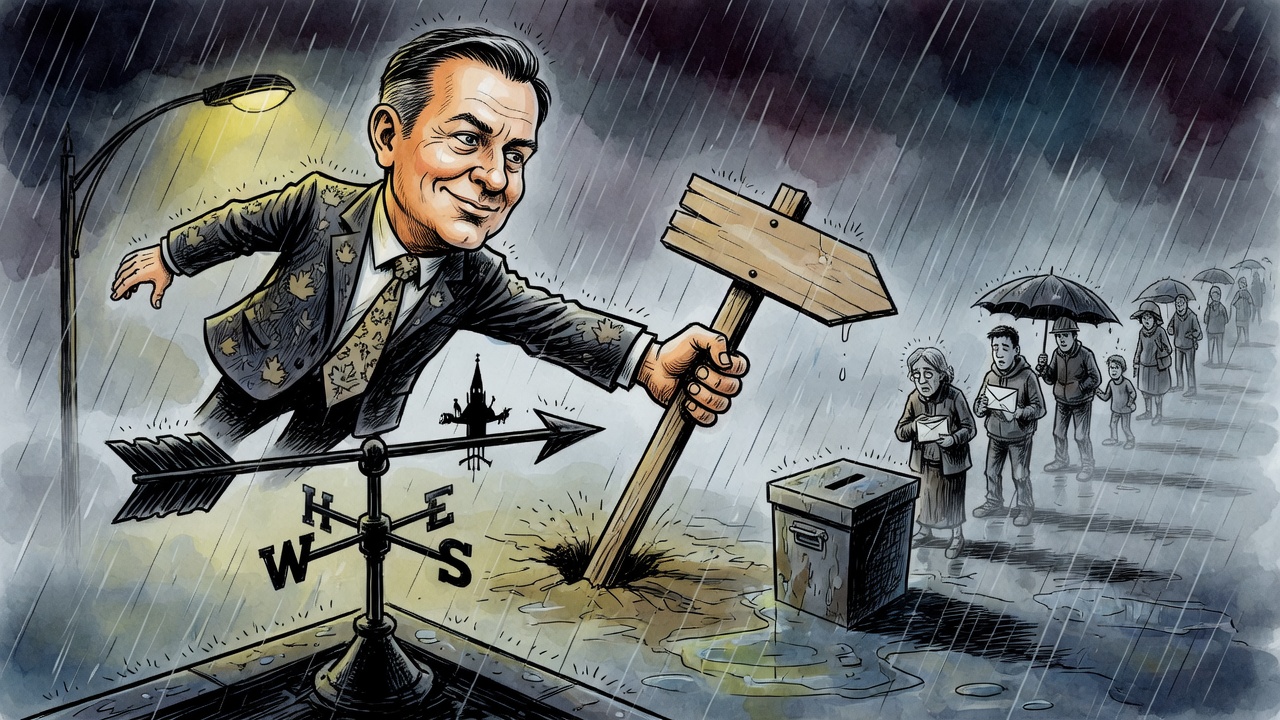
The cleanest way to judge a snap election is not by the speech used to launch it. It is by what voters had to navigate once the campaign machinery started moving.
Elections BC’s own 2026 election page records the timeline: writ day was September 22, 2026, advance voting ran October 16–21, final voting day was October 24, and final count is planned for November 6–10. That is the official calendar David Eby triggered when he chose an early election instead of the normal fixed-date rhythm.
The access ledger is now harder to wave away. theBreaker reported a North Vancouver-Seymour case in which a community representative asked Elections BC to restore voting places used in 2024, including school and community-centre locations. His concern was blunt: some neighbourhoods would have to travel farther, and he alleged the pattern disadvantaged areas less favourable to the incumbent NDP MLA. That is an allegation, not a proven finding. But it is exactly the kind of allegation a premier invites when he creates an avoidable rush election and voters see fewer convenient doors.
Elections BC’s reported response, as summarized by theBreaker, was not that every familiar location was available. It was that voting locations depend on suitable spaces being available at the time of an election call. That point matters. Election administrators can only book the rooms that exist on the calendar in front of them. The political choice that compressed the calendar belongs to Eby.
The province-wide numbers raise the same accountability question. theBreaker reported that Elections BC recorded 891,348 early voters over six days, down 110,656 from 2024. Elections BC’s preliminary results page also makes clear the current totals are still “Results Not Official” before final count. So the responsible conclusion is narrow but serious: the early-vote signal was down, the official result is not yet final, and the voting-access complaints deserve answers before anyone pretends the mandate is clean and uncomplicated.
This does not require claiming the NDP “suppressed” votes. The facts do not prove that. The accountable claim is simpler: Eby chose the timing; Elections BC had to deliver the logistics; voters in at least one reported community challenged whether the setup made voting less convenient; and the early participation number fell from the last election.
Democracy is not only about who wins the count. It is about whether the path to the ballot box is predictable, accessible and trusted. A premier who breaks the fixed-date expectation for partisan timing owns the administrative consequences that follow.
The NDP wanted a snap-election advantage. British Columbians are left asking whether the price included a turnout hangover.