OpenAI Is Fighting B.C.’s Privacy Watchdog. Victoria Still Owes Its Own Tumbler Ridge File.
The new court fight is about OpenAI records. It also exposes the larger transparency test: B.C. cannot demand answers from a tech company while leaving its own public-safety timeline in the dark.
New court fight
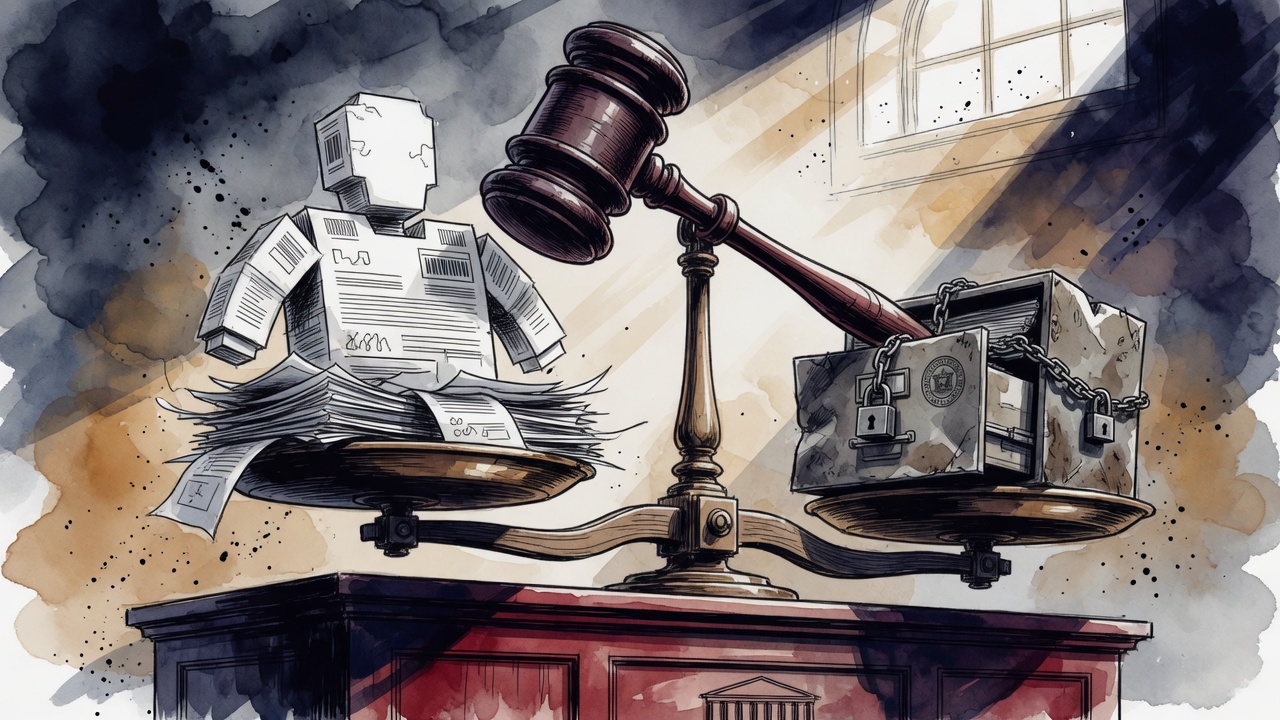
OpenAI has asked B.C. Supreme Court to review the privacy commissioner’s Tumbler Ridge production order. The allegations and legal arguments have not been tested by a final ruling.
OpenAI’s Tumbler Ridge file has moved into another B.C. courtroom, and the public-interest question is bigger than one company’s petition. Canadian Press reported Friday that B.C.’s independent Office of the Information and Privacy Commissioner says OpenAI is challenging an order to produce documents related to the February mass shooting in Tumbler Ridge.
The privacy office says it asked for information about OpenAI’s policies, practices and the specific interactions its applications had with shooter Jesse Van Rootselaar after media reports linked ChatGPT to the killings. According to the office, OpenAI did not comply, an investigation began in June, and a September order compelling production is now under judicial review.
The scope matters. The OIPC says its investigation is focused on the use of personal information, including information contained in prompts, uploaded content, usage data and interactions with other users, and whether ChatGPT responses could reasonably be considered appropriate in the circumstances, including their potential to influence behaviour.
CJDC/CTV reports OpenAI’s petition asks the court to quash the investigation entirely or, alternatively, set aside the production order as unreasonable. The company describes the order as “sweeping,” “overbroad” and “unnecessary,” and argues the privacy office lacks reasonable grounds and is moving outside its authority. Those are OpenAI’s arguments, not findings of fact.
That legal caution is essential. The courts will decide the petition. The OIPC is independent. Families and survivors should not be dragged into political theatre. But the same restraint does not excuse secrecy from Victoria. If B.C. insists that OpenAI must produce records, British Columbians are entitled to ask what provincial records will be produced too.
The Attorney General’s Sept. 21 statement said B.C. filed legal action in California alleging OpenAI failed to notify law enforcement of threats before the Feb. 10 shooting. The province said the goal was answers, accountability and stronger protections. That standard cannot stop at Silicon Valley’s door.
B.C. still needs a privacy-protected public timeline: school-safety contacts, policing contacts, health-system contacts, firearms-related decisions, emergency response, after-action recommendations and what has changed since February. Names and sensitive details can be protected. A blank wall cannot.
That accounting would not prejudge OpenAI’s petition or reveal private information that lawfully must stay protected. It would tell the public which provincial systems were involved, what lessons were identified, who is responsible for implementing changes, and when those changes can be checked.
The NDP-era response to Tumbler Ridge has been forceful when accountability points outward. The harder test is whether Victoria will accept the same discipline at home: disclose the timeline, identify the reforms, explain the redactions and show the public the record.