The Housing Rollback Is the Local-Control Receipt the NDP Left Behind
The NDP called it a housing fix. The first cleanup file is local control, municipal workload and whether Victoria’s targets actually delivered homes.
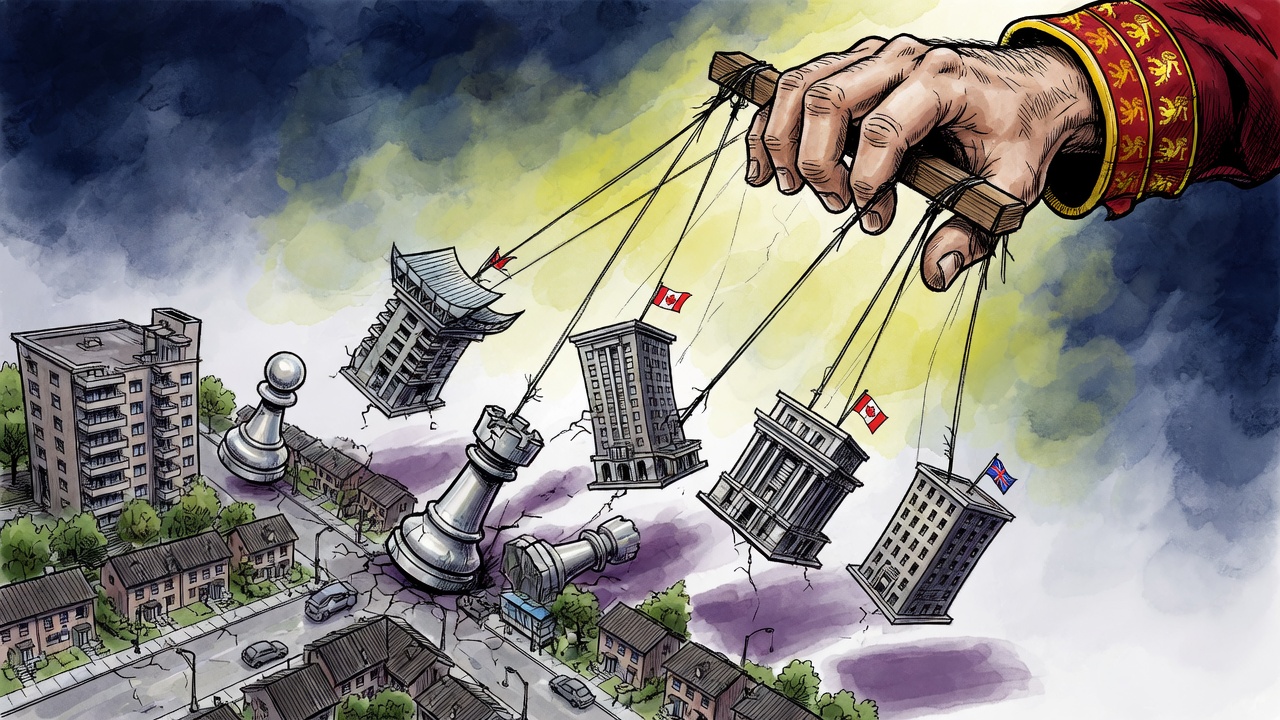
The first housing receipt after the NDP’s defeat is not subtle. Daily Hive reported Friday that the incoming government is preparing to hand more neighbourhood-density control back to municipal governments, potentially reversing central pieces of David Eby’s housing agenda.
That agenda was never just a slogan. Bill 43, the Housing Supply Act, created a framework for the minister to set housing targets for specified municipalities and for Victoria to take certain actions if targets were not met. The law was explicitly about provincial targets for local governments, not merely encouragement.
Bill 44 went further into local zoning. Provincial guidance says local governments were required to update bylaws by June 30, 2024 to accommodate small-scale multi-unit housing, including secondary suites, accessory dwelling units, three- and four-unit forms on many lots, and six units near frequent bus service in qualifying areas. Daily Hive reported the province said in June 2026 that 97 per cent of municipalities had adopted those rules into bylaws and policies.
Bill 47 added the transit-oriented-area layer. The legislation restricts local zoning authority around prescribed transit stations and says local governments must not require residential off-street parking in transit-oriented areas, except accessible parking, subject to regulation. Daily Hive summarized the effect as higher density near SkyTrain stations and bus exchanges, with minimum residential parking requirements removed.
Supporters of the NDP approach argue provincial intervention was needed because restrictive local rules slowed housing construction and limited options in expensive neighbourhoods. Ravi Kahlon, the former NDP housing minister, told Daily Hive the small-scale changes were meant to give younger residents more choices beyond condominiums and warned against returning to a model he said had failed.
That is the case the NDP is entitled to make. But the rollback story exposes the question the Eby government never answered cleanly: who carries the cost when Victoria writes the rules and municipalities have to absorb the planning work, infrastructure pressure, public backlash and resident anger?
Daily Hive reported municipal governments argued they could approve projects but could not force developers to build, especially when market demand, population growth, interest rates, construction costs and economic uncertainty moved against them. It also noted the legislation restricted public hearings for some residential rezonings that aligned with official community plans. Those are not side issues. They go directly to democratic process and accountability.
If the NDP model was working as advertised, its defenders should welcome a full public ledger: how many completed homes came from the targets, how much municipal staff time was consumed, what infrastructure costs were shifted downward, and how many projects were approved but never built. Housing affordability cannot be solved by press conferences alone. It also cannot be solved by pretending city halls are branch offices of Victoria.
The incoming government now owns the next test. If it removes or amends these laws, it must show how local control will still produce more homes. But the NDP’s record is already on the table: targets, overrides, parking rules, reduced hearings and a province-first housing machine that voters and municipalities are now forcing onto the receipt pile.