CMHC’s Condo Warning Puts the NDP Housing Machine on the Ledger
The rental-starts story is not enough. CMHC’s Vancouver numbers show the ownership pipeline still moving in the wrong direction.
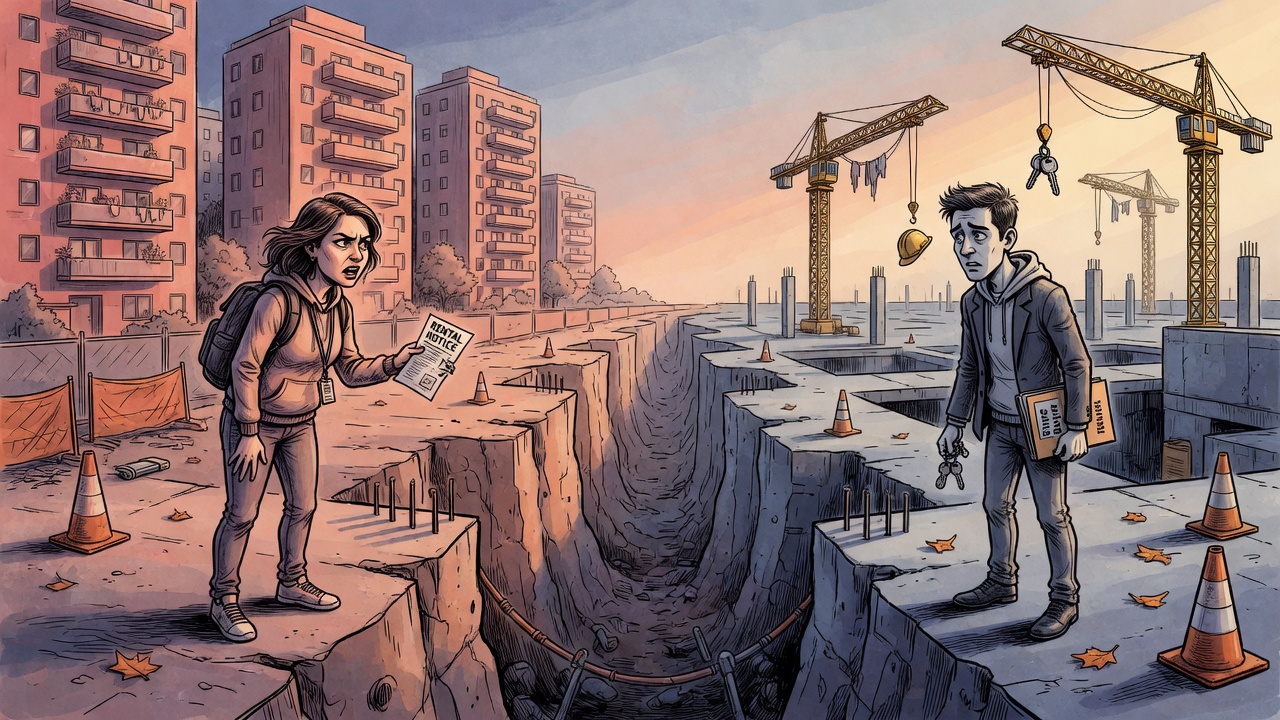
David Eby’s NDP built its housing brand on motion: new targets, new provincial powers, new announcements, new promises that Victoria could force supply back into reach. CMHC’s Fall 2026 Housing Supply Report gives British Columbians a harder measurement. In Vancouver, the rental lane improved, but the ownership lane is still flashing red.
The federal housing agency says Vancouver’s housing-supply gap remained broadly unchanged in 2026. Its baseline is blunt: the region’s current pace of starts is still 5,000 to 7,000 homes per year below what CMHC says is needed to restore 2019 affordability levels by 2036. That is not a rounding error. It is the gap between a press-release housing machine and an affordability target that still does not close.
The NDP will point to the good news, and it should be stated accurately. CMHC says purpose-built rental apartments now account for about 60% of Vancouver housing starts, compared with less than 20% a decade ago. Rental starts were up roughly 36% from 2025. Renters need homes, and more rental construction is real progress.
But a housing plan cannot call itself complete when it leaves the ownership ladder broken. CMHC says ownership-oriented supply weakened again, especially condominiums. Condo apartments have been Vancouver’s main source of new ownership housing. In the first half of 2026, CMHC says condo apartment starts fell a further 40%, the weakest first half-year for new condo construction since 2011.
That is the accountability point. The NDP did not merely promise more housing in the abstract. Its own provincial action-plan language promised more homes people could afford to rent or buy, including homes within reach for first-time buyers. CMHC’s latest numbers show the rent side of the pipeline taking more of the starts while the ownership side contracts sharply.
No one should pretend every stalled condo project is the province’s fault. CMHC points to weaker demand, higher costs and financing pressures across the market. But after years of provincial centralization, taxes, targets and emergency-style legislation, voters are entitled to judge outcomes, not intentions. The outcome is a tilted pipeline: more rental starts, fewer condo starts, and an annual Vancouver supply gap CMHC still measures in the thousands.
That is why the NDP housing record deserves more than applause for activity. If young families cannot see a realistic path from renting to owning, the province has not solved affordability. It has rearranged the shortage. CMHC just put that shortage back on the ledger.