Eby Called a Tariff Election. Doerkson Is Turning the Same Threat Into an Investment File
The first federal conversation after the NDP’s defeat is already about investment, LNG and jobs — the agenda voters were told required an early election.
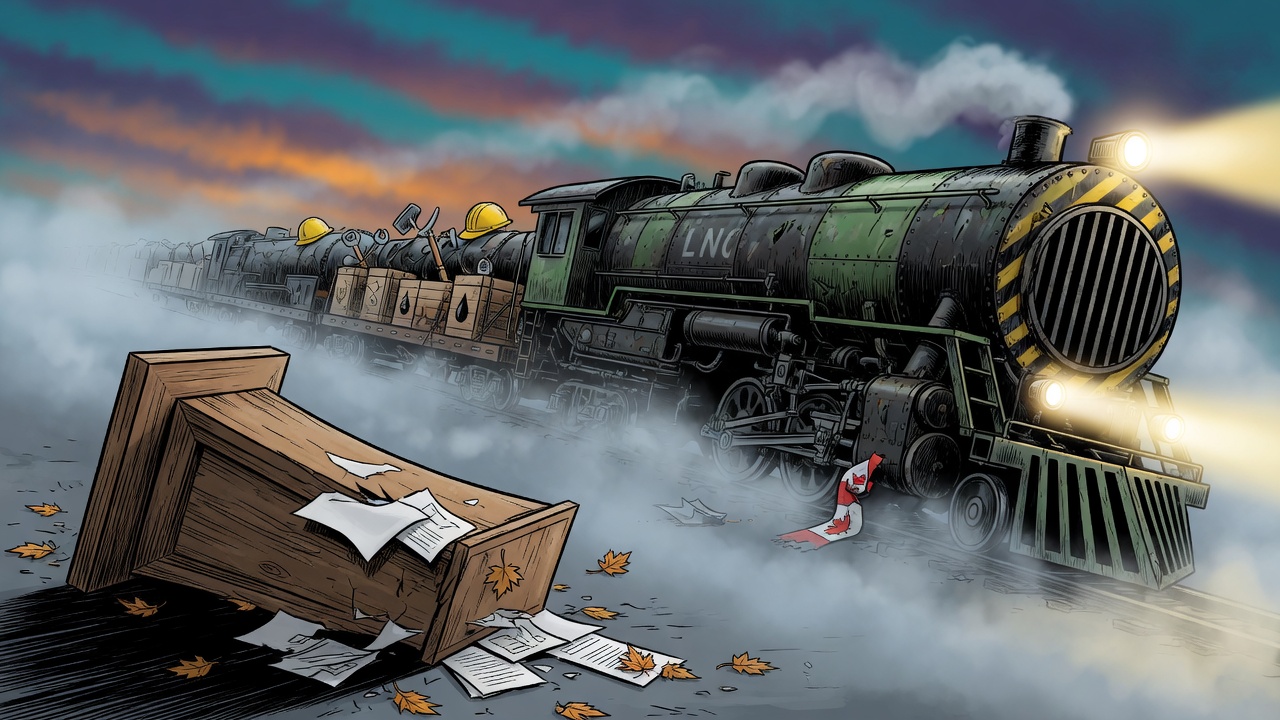
David Eby told British Columbians the province needed an early election because outside economic threats could not wait. Four days after voters rejected that gamble, the same threat file is already being handled without the NDP in charge.
Vista Radio, carrying Canadian Press reporting, says premier-designate Lorne Doerkson held a productive virtual meeting Tuesday with Prime Minister Mark Carney. Doerkson said the two were aligned on attracting investment, creating jobs, strengthening the economy and B.C.’s role in Canada’s economic future. The meeting readout went further: they agreed to work together to increase economic growth and create conditions to maximize private investment in natural gas and LNG.
That is not a project approval. It is not a cheque, a permit or a construction date. But it is a clear first signal. The incoming government is taking the tariff-risk argument and pointing it toward capital formation, resource development and jobs instead of another campaign slogan.
Global News reported that Eby triggered the election less than two years into his mandate, initially tying it to U.S. President Donald Trump’s tariffs before shifting the campaign focus toward affordability. Global also reported that Doerkson said British Columbians “chose change,” named Kim Henderson to chair the transition team, and promised a day-one independent review of provincial finances so residents would see the full picture before a budget.
Put those facts together and the accountability question is obvious: if tariffs, trade risk and economic uncertainty were urgent enough to justify breaking the normal governing calendar, why did the NDP campaign not produce a clearer jobs-and-investment plan before the public was forced back to the ballot box?
The NDP’s problem was never that trade risk was imaginary. B.C. does need federal alignment on infrastructure, ports, energy, permitting and private capital. The problem was political judgment. Eby converted a governing file into an election rationale, then watched the campaign migrate from tariffs to affordability to damage control. Voters were left to wonder whether the early election was about the province’s needs or the premier’s timing.
Now Doerkson inherits both the economic risk and the NDP fiscal mess. His first call with Ottawa does not solve either. But it does set a measurable standard: show the projects, show the permitting changes, show the private investment, show the jobs, and show the books.
That is the hard lesson from Eby’s failed wager. British Columbians did not need a panic election to hear that the economy matters. They needed a government that could turn risk into work, investment and accountable numbers.