DRIPA Now Has Three Clocks Running: Bill, Petition, Court Fight
The NDP left British Columbia without a plain-language implementation framework. Now the incoming government inherits three deadlines at once.
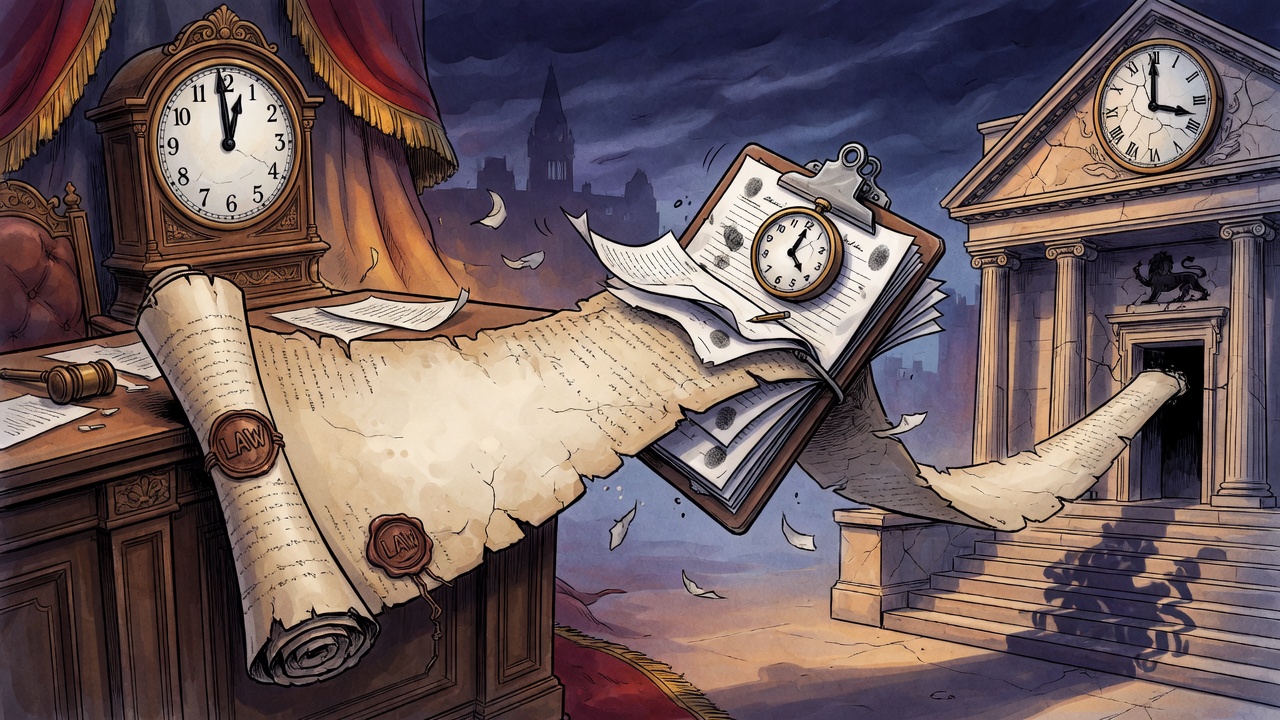
DRIPA is no longer a campaign abstraction. It is now a governing collision with three clocks running at the same time.
CityNews reported October 27 that premier-elect Lorne Doerkson reaffirmed the BC Conservatives’ commitment to repeal the Declaration on the Rights of Indigenous Peoples Act, saying legislation would likely come in the spring session. That is the first clock: the legislature clock. A campaign plank is being converted into a bill-writing problem, with constitutional duties, Indigenous relations, project certainty and public confidence all attached.
The second clock is already ticking at Elections BC. Its current initiative table lists IP-2026-001, “Initiative: Repeal Declaration on the Rights of Indigenous Peoples Act,” with Harman Bhangu as proponent, issued October 26, 2026 and due January 26, 2027. Elections BC also notes that since initiative petitions began in 1995, only the 2010 HST petition has succeeded. That makes this a high bar, not a guaranteed outcome. But it is still a live democratic pressure valve the NDP helped create by never winning broad public trust on implementation.
The third clock is legal and relational. First Nations leaders are warning against repeal while court fights and land-certainty anxieties continue to shape public debate. The First Nations Leadership Council’s October 25 statement urged the incoming Conservatives to uphold title and rights, while also making a pointed claim about the outgoing government: it argued that Eby’s NDP failed to clearly communicate a transparent, accountable DRIPA implementation plan. That is an allegation from Indigenous leadership, not an opposition slogan.
That distinction matters. Repealing a provincial statute would not erase Aboriginal rights, title, treaty rights or section 35 of the Constitution. No serious government can wish those away. But the NDP’s political failure was pretending the public could be managed with reassurance while homeowners, First Nations, local governments, miners, forestry workers and investors were all asking different versions of the same question: what exactly changes, who decides, and where is the plain-language rulebook?
Doerkson’s party now owns its promise. If repeal legislation comes in spring, British Columbians deserve more than a victory lap. They deserve the draft framework, legal advice boundaries, consultation plan, transition rules for permits and agreements, and clear language on what will not change.
But the NDP does not get to disappear from the receipt. DRIPA became politically vulnerable under its watch. The initiative window, the spring bill clock and the Indigenous-rights confrontation are all landing together because the Eby government treated clarity as optional. The next test is whether B.C. gets lawful certainty — or just a new round of slogans fighting the old ones.
Sources and records
- CityNews: BC Conservatives committed to repealing DRIPA, spring-session timing
- Elections BC: current initiative petitions, including IP-2026-001
- First Nations Leadership Council: statement on title, rights and DRIPA implementation
- Conservative BC plan: Repeal DRIPA, Promote Economic Reconciliation
- Global News: First Nations warning on DRIPA repeal