BC Nurses Just Wrote the Health-Care Handoff Memo the NDP Couldn’t
The post-election test is not another promise about care. It is whether ratios, violence prevention, vacancies and private-agency reliance become public, measurable targets.
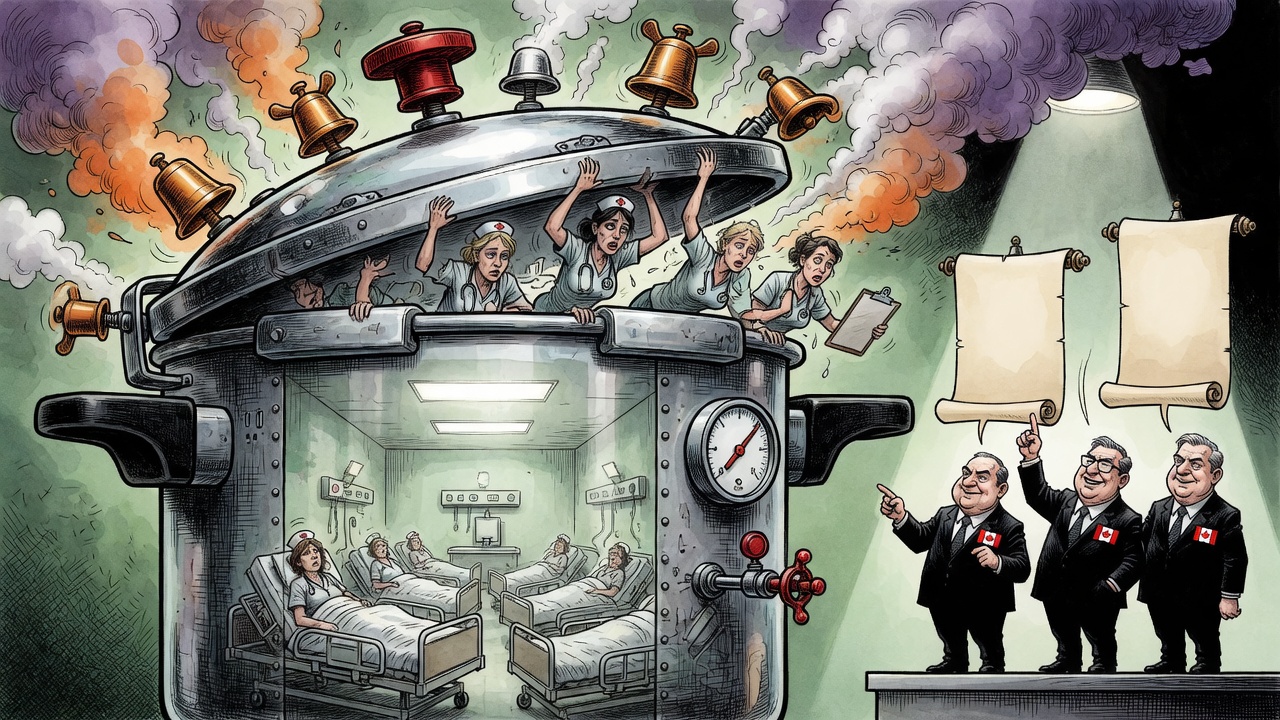
The cleanest health-care handoff memo in B.C. this week did not come from an NDP transition binder. It came from the BC Nurses’ Union.
On October 27, one day after post-election first-100-days coverage put health among the biggest incoming cabinet files, BCNU publicly called on the newly elected Conservative government to act on four stubborn files: minimum nurse-to-patient ratios, workplace violence, recruitment and retention, and reliance on expensive private nursing agencies.
That list is the receipt. The NDP spent the campaign arguing it was the safe pair of hands on health care. David Eby even promised, in the campaign’s final week, to enshrine minimum nurse-to-patient ratios in law if re-elected. But BCNU’s post-election statement makes clear that the system nurses are actually working inside still needs legislation, implementation, violence protection and a plan to reduce agency-nurse dependence.
This is not a claim that nothing happened. BCNU’s own ratio page notes the 2023 agreement with the province to implement minimum nurse-to-patient ratios across hospitals, long-term care, assisted living, community and non-hospital settings, backed by three years of allocated funding. The problem is that an announcement is not the same thing as a working ward.
BCNU says candidates from every major party signed its ratio pledge: 10 Conservatives, 13 New Democrats and two Greens. That makes the next step easy to measure. If elected MLAs signed the pledge, the public should see who they are, what legislation is coming, which care settings are covered, and when emergency departments move from promise to staffing reality.
The violence file is just as concrete. In July, BCNU accepted mediators’ recommendations after what it called the longest nurses’ strike in B.C. history, and the union said the recommendations addressed systemic issues including workplace violence and nurses being pulled away from patient care by non-nursing duties. Those are not abstract labour complaints. They are patient-care conditions.
The same goes for agency nurses. If health authorities are filling holes with costly temporary coverage, taxpayers deserve a public ledger: agency spending by health authority, vacancy rates, overtime pressure, cancelled shifts, rural emergency-room closures and the recruitment plan attached to each region.
The NDP’s health-care failure was never that it used the wrong slogan. It was that slogans survived longer than the public proof. Nurses are now handing the next government a short checklist. British Columbians should treat it as the first audit of the Eby-era health-care handoff, and insist the answers come in numbers instead of another press-release cycle.
Sources and records
- BCNU: post-election call for action on nurse ratios, violence, recruitment, retention and agency nurses
- BCNU: 2026 provincial election health-care priorities and ratio pledge
- BCNU: minimum nurse-to-patient ratio implementation background
- BCNU: July 2026 mediator recommendations and workplace-violence context
- Global News: incoming government first-100-days context and major cabinet files
- BC NDP: October 22 campaign promise to enshrine nurse-to-patient ratios in law