Eby Didn’t Lack Laws. He Lacked the Public-Safety Delivery Ledger
The key question is not whether B.C. had legal tools on paper. It is why the Eby-era system left police, courts, prosecutors and treatment capacity stuck in the delivery queue.
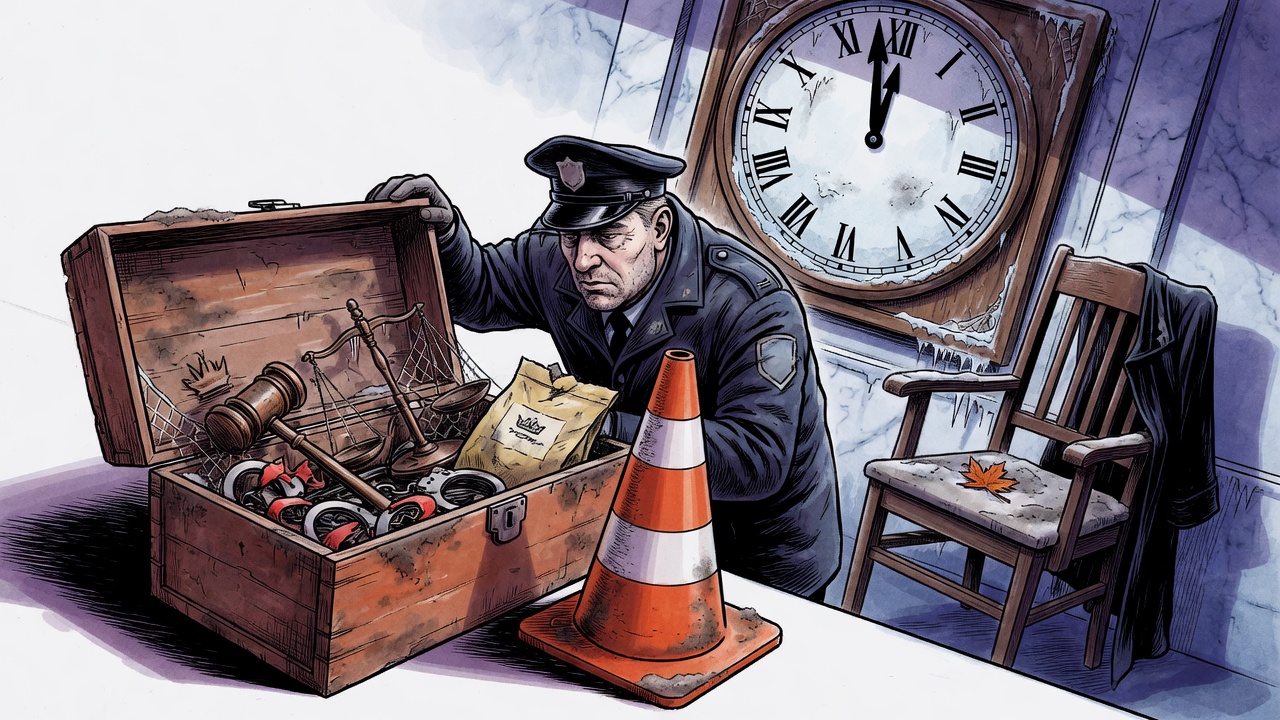
Global News reported Tuesday that B.C.’s newly elected Conservative government is promising a public-safety reset: ending open drug use, improving access to mental-health care, and empowering police to use the Mental Health Act to connect people with mandatory treatment. The story also reported pledges for 250 more police officers, 500 additional RCMP officers over five years in rural communities, 50 new prosecutors, 20 more trial judges with Ottawa, and more sheriff and court capacity.
That news hook should land hard on David Eby’s record. Criminal lawyer Ravi Hira told Global the province already has powers to act, contrasting the new plan with the forced-treatment approach Eby’s NDP tried to implement. Global also noted the incoming plan has not been tested in court. That distinction matters: rhetoric is easy; lawful delivery is the test.
The statute is not imaginary. Section 28 of B.C.’s Mental Health Act says a police officer or constable may apprehend and immediately take a person to a physician or nurse practitioner for examination if the officer is satisfied the person is acting in a manner likely to endanger their own safety or others and is apparently a person with a mental disorder. That is a real tool, with clinical examination and certification safeguards built into the process.
The NDP’s failure was not simply that one law was missing. It was that British Columbians watched the system fracture across several desks at once: street disorder, repeat calls for service, court delay, prosecutor strain, mental-health access, and treatment capacity. A power written in statute does not help if frontline police lack direction, if emergency rooms and designated facilities are overloaded, or if courts and Crown offices cannot move files at the pace public safety requires.
The drug-policy ledger is just as blunt. B.C.’s official decriminalization page now says the 2023 pilot exemption expired on January 31, 2026 and was not renewed. In January, then-health minister Josie Osborne said the pilot had not delivered the results government hoped for and that B.C. would not ask Ottawa to renew it. That is not an opposition talking point; it is the government’s own reversal.
So the accountability question is simple: why did it take an election defeat to put police authority, prosecutors, judges, sheriff capacity and treatment access into the same public-safety sentence? Eby’s NDP asked people to accept disorder as complexity. The next ledger needs dates, staffing numbers, courtroom capacity, clinical beds and measurable street-level results.
B.C. did not need another slogan. It needed a government willing to match legal authority with operational delivery before downtown storefronts, families, police and vulnerable people were left waiting for the system to catch up.