Eby’s Deficit Receipt Is Still Sitting on the Desk
The vote may have ended David Eby’s leadership argument. It did not erase the fiscal file the next government inherits.
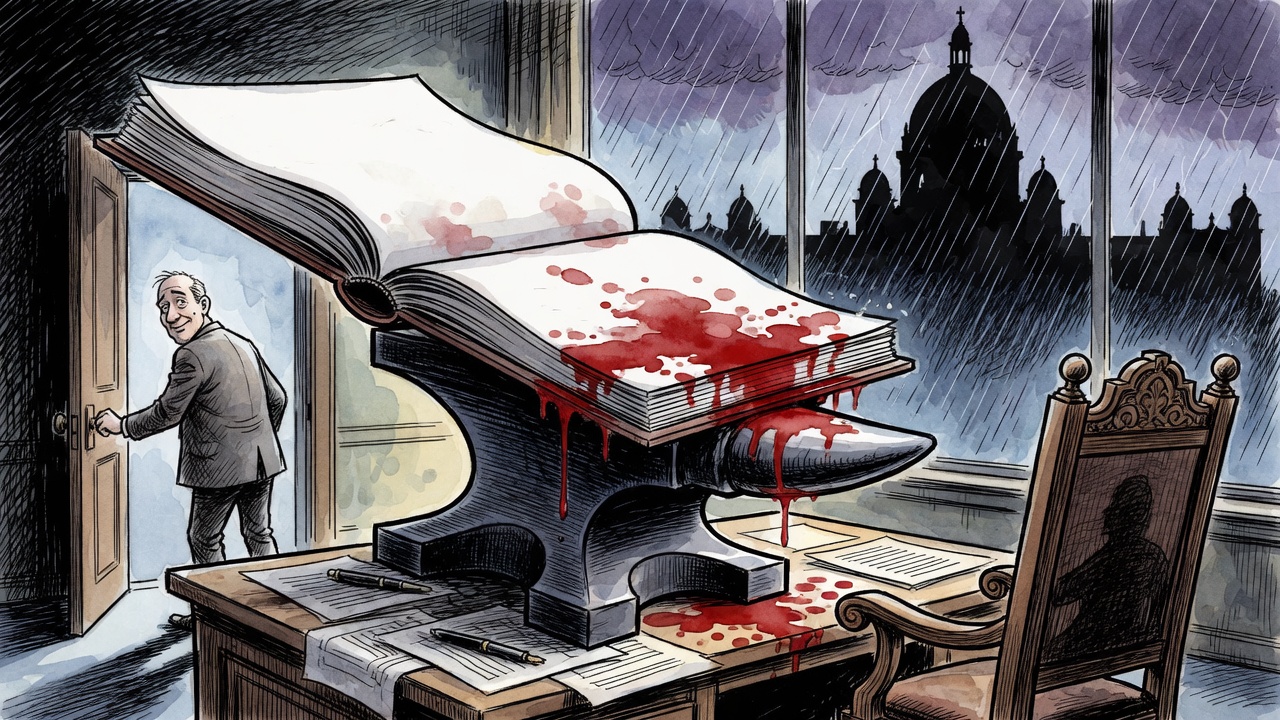
David Eby’s snap-election gamble has a political receipt. B.C.’s finances have one too. The September First Quarterly Report from the provincial government forecast a $13.8-billion deficit for 2026-27, which the finance ministry said was $450 million higher than projected in Budget 2026.
That number matters more this morning because preliminary election-night results show the NDP no longer arguing from the government benches it hoped to strengthen. Elections BC’s event-night count showed Conservatives leading a majority of ridings and the BC NDP reduced to 27 leading seats. CityNews reported Eby told supporters he would resign as BC NDP leader after the snap-election gamble failed.
Now strip away the campaign slogans and look at the ledger. The province’s own release said revenue was forecast at $86.3 billion, which is $789 million higher than Budget 2026. Yet the deficit still grew. Why? The same update said expenses were forecast $1.2 billion higher than budget, including added fire-management costs and higher refundable tax-credit costs.
This is the hard accountability point: higher revenue did not save the NDP’s fiscal plan from a deeper hole. British Columbians were not merely choosing between campaign promises. They were choosing who should manage a province where spending pressure keeps outrunning the story government tells in February.
The update also carried an embarrassing warning sign for budget credibility. Natural-resource revenues were forecast below budget, and the finance ministry said natural-gas royalties were $531 million lower, including about $306 million related to a correction of calculation errors in the Budget 2026 price forecast. That is not an opposition allegation; it is from the Province’s own backgrounder.
To be fair, not every pressure line is discretionary waste. The release points to wildfires, tariffs, global uncertainty, tax credits and lower resource revenue. Those caveats are real. But caveats do not pay interest, fund hospitals or balance a budget. They also do not excuse a government asking voters for more runway while its own books were already worse than the budget said.
Open Data Canada’s election-night analysis, sourced to Elections BC’s unofficial count, said 20 ridings had moved from the NDP to the Conservatives at that stage and noted the final count was planned for November 6 to 10. Individual races can still shift. The fiscal inheritance is not waiting for recount drama. It is already documented in black and red ink.
The next premier will inherit many problems: health-care waits, public-safety pressure, affordability anger and land-policy uncertainty. But the first file on the desk should be the deficit receipt. Eby asked British Columbians to trust the NDP with another mandate. The books say the trust account was already overdrawn.