The DRIPA Number Eby Cannot Spin: 44% Repeal, 24% Maintain
The latest Angus Reid survey says DRIPA is the standout policy liability. The confidential land-transfer file explains why trust is the ballot question.
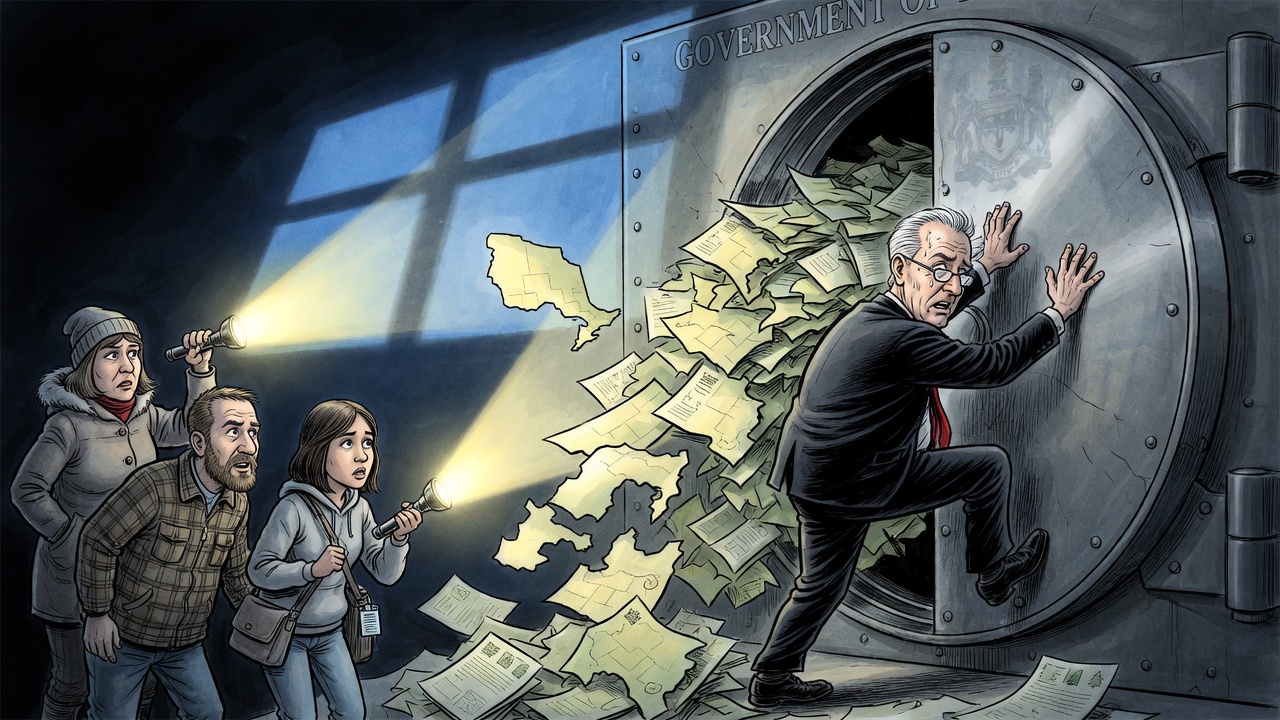
David Eby’s DRIPA problem is no longer just an opposition talking point. Angus Reid’s final-week B.C. election survey found 44 per cent of respondents preferred repealing DRIPA and taking a different approach to reconciliation, while 24 per cent preferred maintaining DRIPA while addressing interpretation and implementation concerns. Angus Reid called DRIPA the policy item that stood out.
That number lands beside a current receipt. Global News reported October 15 that Eby had to defend his government after reports about a confidential land deal. Global said the proposal involved changing compensation rules for some of roughly 400 Crown-land parcels being transferred to First Nations ownership, and that forestry companies had been briefed under non-disclosure agreements.
The government’s defence matters, and it should be stated accurately. Global reported the BC NDP said cabinet had not approved legislation, but had authorized engagement on options for potential legislation. Eby also said the transfers reflect existing treaties and reconciliation commitments, some dating back decades, and argued the proposal was about reducing costs for taxpayers.
Those are claims voters can weigh. What they cannot weigh is the missing ledger. Northern Beat reported, citing confidential documents it obtained, that there were approximately 400 parcels committed for transfer through treaty and reconciliation agreements, that the parcel list and combined size were not identified, and that the documents described compensation-rule changes affecting forest tenures. Daily Hive, summarizing the documents and Eby’s response, reported that Eby did not provide an estimate of expected savings or the combined area of the parcels.
That is the trust gap. If the NDP says the policy reduces taxpayer cost, show the estimate. If it says forestry impacts are limited, show the affected tenures. If it says the commitments are already known through agreements, list which parcels are already disclosed and which are not. If non-disclosure agreements were necessary, release the terms and explain why election-period silence served the public interest.
DRIPA is sensitive because it touches reconciliation, property certainty, resource jobs, public finances and the Crown’s legal duties. Serious voters can support respectful agreements with First Nations and still reject a black-box process. They can oppose fearmongering and still demand plain documents from the premier asking for another mandate.
Angus Reid’s 44-to-24 result is not a legal verdict. It is a democratic warning. Eby cannot answer it with slogans about partnership while withholding the map, the compensation formula and the budget exposure. Before final voting day, British Columbians deserve the parcel list, the tenure-impact table, the fiscal estimate and the confidentiality record. Trust is earned in daylight.
Sources and records
- Angus Reid Institute: final-week B.C. election survey, October 19, 2026
- Global News: BC NDP defends actions after reports about confidential land deal, October 15, 2026
- Northern Beat / Rob Shaw: confidential land-return documents report, October 15, 2026
- Daily Hive: report on confidential Ministry of Forests documents, October 15, 2026