Eby’s Forestry Land-Transfer Defence Still Leaves a 200-Parcel Black Box
The parcel count may be on the record. The impact on forest tenures, compensation and taxpayers still is not.
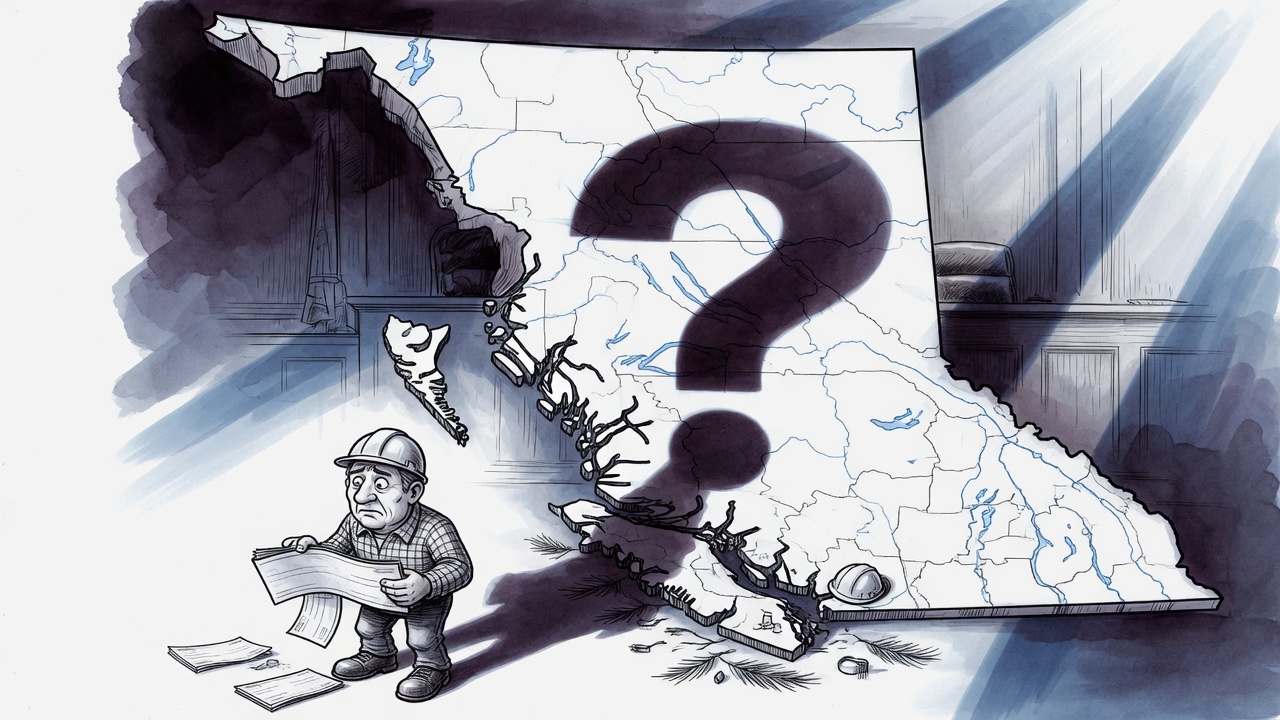
David Eby’s defence of the land-transfer file answers one question and opens a bigger one. CityNews reported October 16 that Eby says the transfers are public record, tied to treaties or title-dispute resolution, and involve about 380 parcels. It also reported that the NDP says about 200 of those parcels could affect forestry operations.
That is the accountability line. If roughly 200 parcels may touch forestry, British Columbians need to know where they are, which tenures are affected, how much annual allowable cut is at stake, and what compensation rule the government intends to use if harvesting rights are removed or reduced.
The concern is no longer just that confidential documents exist. Northern Beat reported that briefing material described land returns through treaty and reconciliation agreements and proposed changing forest-compensation rules, including options that could limit payments to tenure holders. The NDP has described the material as draft and part of engagement. Fine. Draft status does not make the fiscal and forestry impact irrelevant during an election.
The industry response is blunt. CityNews quoted Council of Forest Industries president and CEO Kim Haakstad saying the sector does not know the locations of the parcels or the impact on forest tenures. She also said industry cannot support the proposal with the information available. That is not an abstract complaint from people refusing reconciliation. It is a practical warning from the sector expected to operate mills, make investment decisions and keep workers employed under rules it has not been shown in full.
The BC Conservatives are using the file to argue there may be major unbudgeted liability. Their release says the possible legal and compensation exposure does not appear in the NDP budget or election platform. That is an opposition claim and should be treated as one. But Eby can answer it cleanly: publish the government’s own estimate, including the best case, worst case and legal-risk range.
The government’s stated argument is that land-transfer agreements can resolve disputes and create certainty. That may be true in some cases. But certainty does not come from telling the public the parcel count while withholding the map, the affected tenures and the financial ledger. Certainty comes from documents British Columbians can read before they vote.
A defensible plan would list the affected parcels, identify which ones are already disclosed through treaty or reconciliation agreements, show the forest-tenure overlap, explain the five-per-cent compensation threshold reported by Northern Beat, and say whether any cost is carried in the fiscal plan. It would also explain who was briefed under confidentiality, what they were barred from discussing, and why that restriction was necessary during the campaign period.
Reconciliation policy can be serious and public at the same time. Forestry workers, First Nations, taxpayers and rural communities all deserve better than a black box with a parcel count on the lid. If 200 parcels may affect forestry, the ledger belongs in daylight.
Sources and records
- CityNews Vancouver: Eby, Doerkson accuse each other of hiding as questions arise on land transfers and Massey Tunnel, October 16, 2026
- Northern Beat / Rob Shaw: Secret documents reveal BC NDP government “Land Returns” plan for First Nations, October 15, 2026
- Conservative Party of BC: Multi-Billion-Dollar Black Hole in NDP Budget, October 16, 2026