Eby’s 45-Million-Cubic-Metre Forestry Promise Is Splitting NDP Country
The NDP is trying to sell old-growth protection and a higher harvest target at the same time. West Kootenay voters are asking for the ledger.
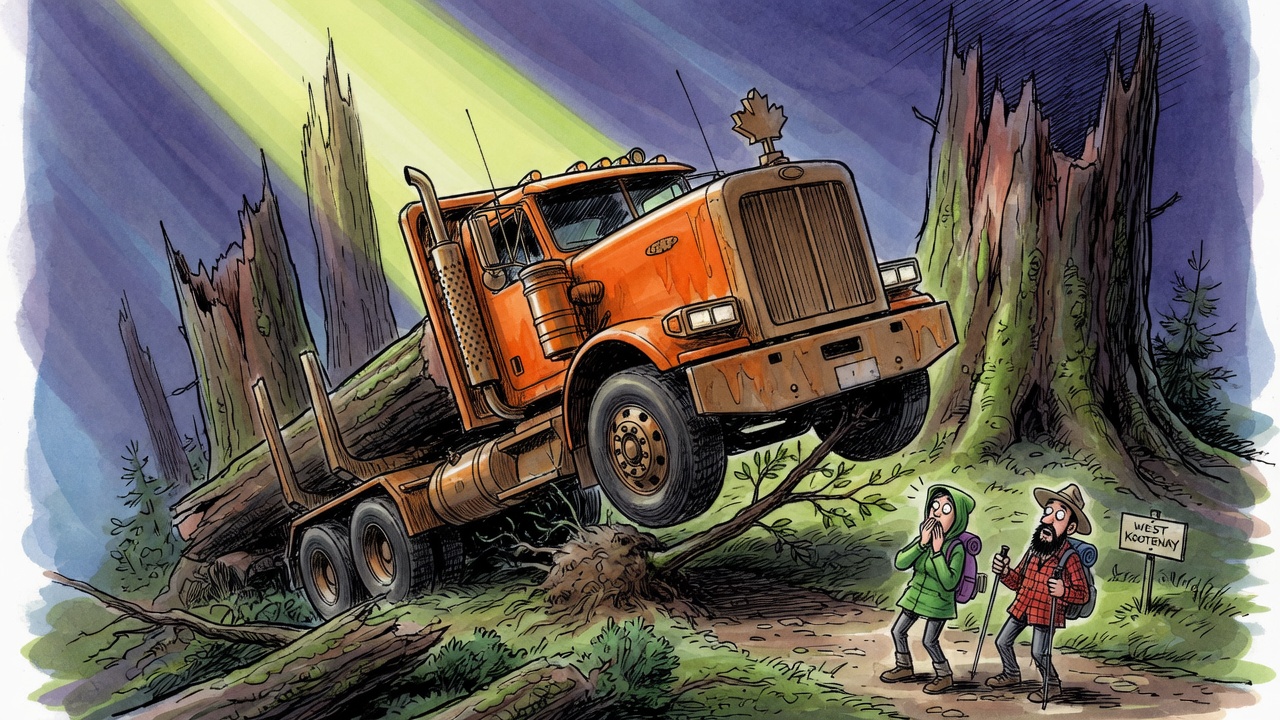
David Eby’s forestry pitch has reached the place where NDP environmental credibility is supposed to be strongest: the West Kootenays. A current report from the Nelson area describes environmentally conscious voters in reliable NDP country saying they may shift to the Greens after years of frustration over old-growth protection and resource-development priorities.
The local example is small in hectares and large in symbolism. The report describes a contentious 9.5-hectare parcel above the Nelson area that is slated to be logged. Ecologists cited in the story estimate the forest is roughly 240 years old, about 10 years short of the old-growth designation threshold described in the article. One local activist said a five-person crew could harvest the plot in less than a week, and that the local mill could likely process the lumber in two days.
That is the old-growth trust problem in miniature. Voters were told the province would change direction after the Old Growth Strategic Review. The province’s own old-growth page still says the review made 14 recommendations and that government is taking action on every recommendation, while acknowledging some will take years. The promise is long-term stewardship. The fear on the ground is that near-threshold forests can disappear on a much shorter clock.
The NDP’s own forestry number makes that fear harder to dismiss. Its platform pledged to increase fibre security by working toward a harvest of 45 million cubic metres per year. In August, the province’s working-forest release said its three-zone model would identify where timber production is prioritized to stabilize an economic land base contributing to an annual harvest of 45 million cubic metres and investor confidence in the forestry sector.
Hansard records the same target inside government. In April 2025, the forests minister said he had the Premier’s mandate to build a sustainable timber-harvesting land base that gets B.C. to a 45-million-cubic-metre harvest. That is not opposition spin. It is the government’s stated direction, repeated in campaign material, official releases and the Legislature.
The hard question is whether the NDP can credibly promise both outcomes at once: protect old growth and materially raise the harvest level. Eby told the report that the West Kootenays have always wrestled with the balance between forestry jobs and conservation, and that economic conditions have changed. Fair enough. But “balance” is not a ledger. It does not show which forests are protected, which are deferred, which are cut, and how a higher harvest target avoids pushing pressure onto the very stands voters thought the NDP would save.
British Columbians deserve that ledger before more campaign language. Release the 45-million-cubic-metre pathway, the old-growth deferral map, the age-class risk analysis, the community-by-community mill benefits, and the conservation tradeoffs. If the NDP wants credit for a forestry reset, it should stop asking old-growth voters to take the chainsaw math on faith.