Eby’s AI Water Promise Is a Receipt for Missing Guardrails
The NDP is now promising water-efficiency standards and public reporting for AI data centres. Voters should ask why those rules were not already nailed down before scarce power was put on the table.
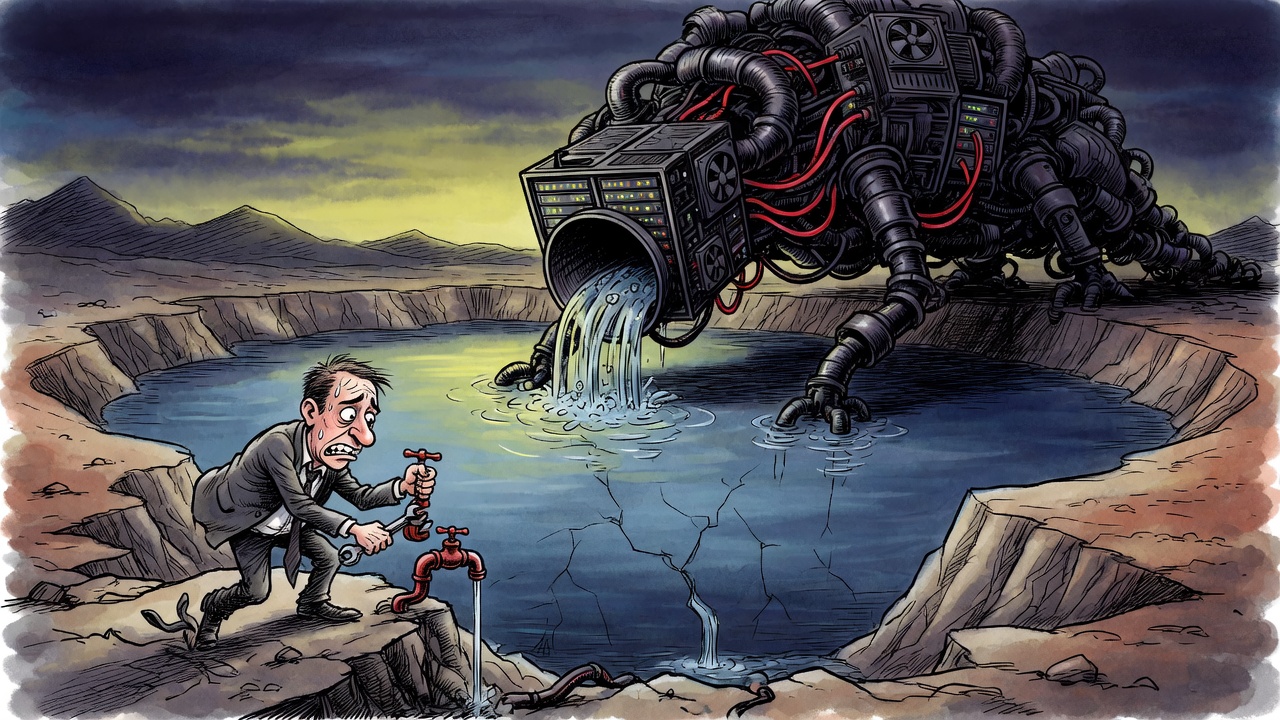
David Eby’s latest AI promise sounds like a safeguard. It also reads like an admission that the safeguard was not finished before the campaign. In a province already facing drought stress, electricity constraints and affordability pressure, the order matters: guardrails first, allocations second.
On October 10, the BC NDP said Eby would protect B.C.’s environment by setting strict new water-efficiency standards for AI data centres, mandating public reporting of water use, and requiring engagement with local communities on conservation and drought planning. The party also said it would maintain BC Hydro’s firm electricity limit for new data centres and approve only projects meeting the highest environmental standards.
Those are claims from the NDP campaign. The public record shows why they matter. B.C. has already created an Industrial Electricity Allocation Framework because emerging sectors such as AI, data centres and hydrogen-for-export can require large-scale power on timelines that challenge normal utility planning. The provincial framework says AI and data-centre projects of 10 megawatts or larger must enter a competitive selection process before they can advance through BC Hydro’s interconnection process.
The government’s January announcement set the first two-year allocation target for AI and data centres at up to 400 megawatts. The regulation behind the program caps the initial two-year allocation at 300 megawatts for AI data-centre purposes, plus 100 megawatts for conventional data-centre purposes, with project and queue rules deciding who can proceed.
That means this is not an abstract technology press release. It is a rationing system for scarce public electricity, built for private projects that may also need real water, real land, real transmission capacity and real community consent.
The obvious question is simple: if water use, public reporting and drought planning are now important enough to promise during an election, why were they not already published as hard, voter-visible conditions before the competition began?
British Columbians do not need a blanket anti-technology slogan. They need a ledger. Before any winner gets a privileged claim on clean power, voters should be able to see the applicant, requested megawatts, expected water source, cooling method, projected permanent jobs, local-government correspondence, Indigenous and community benefits, curtailment risk, ratepayer exposure and drought plan.
Eby wants credit for putting a clamp on the tap. Fair enough — but only if the public can see the pipe. Until then, the AI data-centre promise is not just an environmental plank. It is a receipt for guardrails that should have been visible before B.C. started auctioning space on the grid.