The Eby Trust Audit: Voters Are Writing Broken Promises in Their Own Words
Angus Reid asked British Columbians what they like and dislike about the party leaders. For David Eby, the open-ended answers landed hardest on trust and leadership.
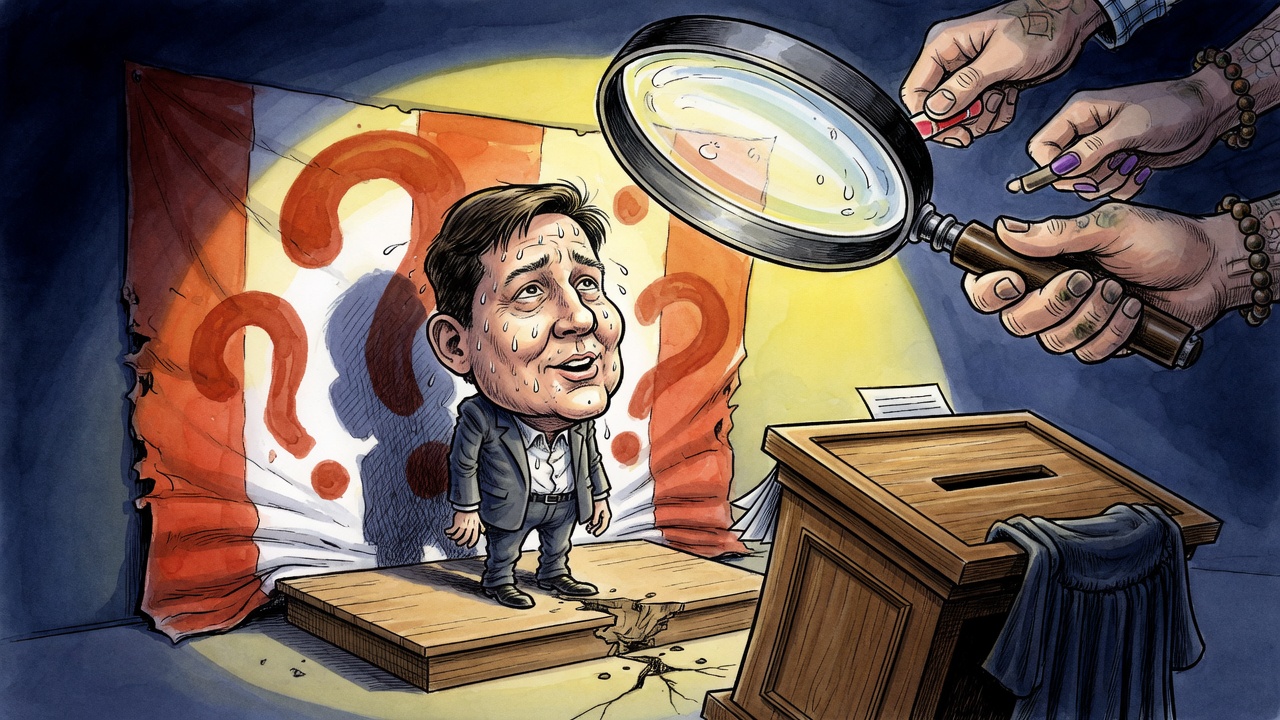
David Eby asked British Columbians for an early election. Angus Reid’s newest survey suggests many voters are answering with a trust audit.
The October 8 release did something more revealing than a standard horse-race poll: it asked people, in their own words, what they like and dislike about the two leaders most likely to become premier after October 24. The survey, conducted October 1 to 3 among 1,013 B.C. adults, found that Eby’s public image is not merely polarized. It is lopsided.
Angus Reid reports that 78% of British Columbians offered something they dislike about the BC NDP leader. Fewer than half, 46%, offered something positive. The largest negative theme was “dishonest / broken promises / opportunistic,” at 24%. The second was “weak / ineffective leadership,” at 20%. Spending, deficit, debt and taxes followed at 12%.
Those numbers do not prove every complaint is fair. They do prove something politically serious: when voters are not forced into pre-written categories, the words coming back at Eby are not mostly about Donald Trump, tariffs or campaign theatre. They are about trust, promises, leadership and the cost of government.
That cuts straight through the BC NDP’s preferred frame. Angus Reid’s October 5 companion poll found the Conservatives at 48% and the NDP at 43% among decided and leaning voters. It also found the U.S. tariffs/Trump issue at 10% as a top vote-driving concern, far behind cost of living and inflation at 57%, health care at 42%, the economy and jobs at 26%, and housing affordability, the deficit and public safety at 24% each.
In other words, Eby’s campaign wants voters looking south. Voters keep looking at Victoria.
That is the accountability problem at the centre of this election. Eby can argue that global uncertainty makes governing harder. He can argue that tariffs matter. But the open-ended response from British Columbians shows a premier being judged on the record he owns: the timing of the election, promises made, leadership shown, spending choices, health-care pressure, housing costs and household affordability.
There is also a warning for anyone treating this race as settled. Angus Reid still shows Doerkson with his own vulnerabilities, including voters who do not yet know enough about him. But that does not erase Eby’s problem. An incumbent premier is supposed to be a known quantity. In this survey, being well known appears to mean voters have a long list of reasons to object.
The hard question for Eby is no longer whether he can rebrand the election around another external threat. It is whether he can pass the trust audit British Columbians are already writing in their own words.