Eby Sold a Trump Firebreak. Now He Is Campaigning Against His Own Record.
The premier justified an unscheduled election around Trump and tariffs. Two weeks later, the campaign question has shifted back to B.C. affordability, health care and family costs — the record he already owns.
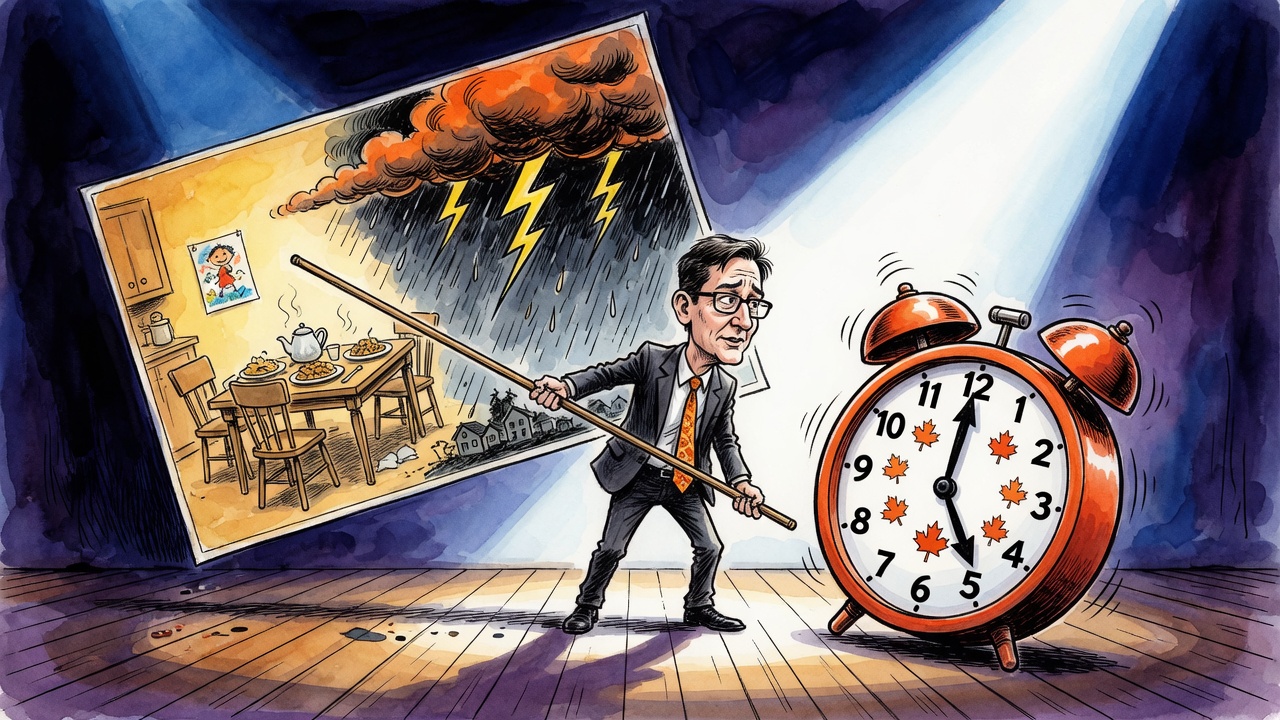
David Eby asked British Columbians for an early election by making Donald Trump the centrepiece. The BC NDP’s own September 22 release said B.C. faced an “existential moment,” that British Columbians “deserve a say” in the response, and that election day would be October 24. The release framed the campaign around standing up to Trump, protecting jobs, lowering costs and building an economy less dependent on the United States.
That was the sales pitch for interrupting a mandate. It was not a routine campaign theme added to the pile. It was the stated rationale for going to voters early: build a “firebreak” against Trump’s economic attacks and Trump-style politics.
Now the frame is moving. Canadian Press, carried by Global News on October 7, reported that the NDP campaign has “moved on” from the threat of Trump’s tariffs to affordability issues. The same report said Eby accepts that not everyone shares his anxieties about Trump, while maintaining that Trump’s actions are worsening B.C.’s challenges. It also reported that Eby now says the key matter for voters on October 24 is which party can support families through tough times.
That is a telling retreat. Trump’s tariffs may be real. Cross-border uncertainty may be real. A provincial government should have a serious trade and jobs plan. But if the campaign question is now groceries, gas, health care, rent and whether families are getting through the month, then voters are back on the ground Eby was trying to leave: the BC NDP’s own record in office.
That record cannot be blamed on Washington. Emergency-room strain, long waits, housing costs, food-bank pressure, drug policy reversals, public-safety anxiety, budget deficits and tax pressure are not imported slogans. They are B.C. governance issues. Eby can argue Trump makes them harder. He cannot use Trump as a permission slip to avoid being judged on whether his government made them better.
The early-election problem is simple. If the province truly needed an unscheduled vote because Trump created an urgent external crisis, the campaign should still be anchored there. If the NDP has discovered that voters care more about household costs and public services, then the obvious question is why an early election was needed at all.
Eby wanted a firebreak. Voters deserve a ledger. Before October 24, he should explain why British Columbians were pulled into a snap election to answer a Trump question that his own campaign now appears to be translating into a verdict on affordability and health care at home.