The DRIPA Ballot Test Eby Keeps Ducking
The Narwhal’s new election explainer confirms DRIPA is no longer a side file. It is a ballot issue — and Eby still owes voters a plain answer.
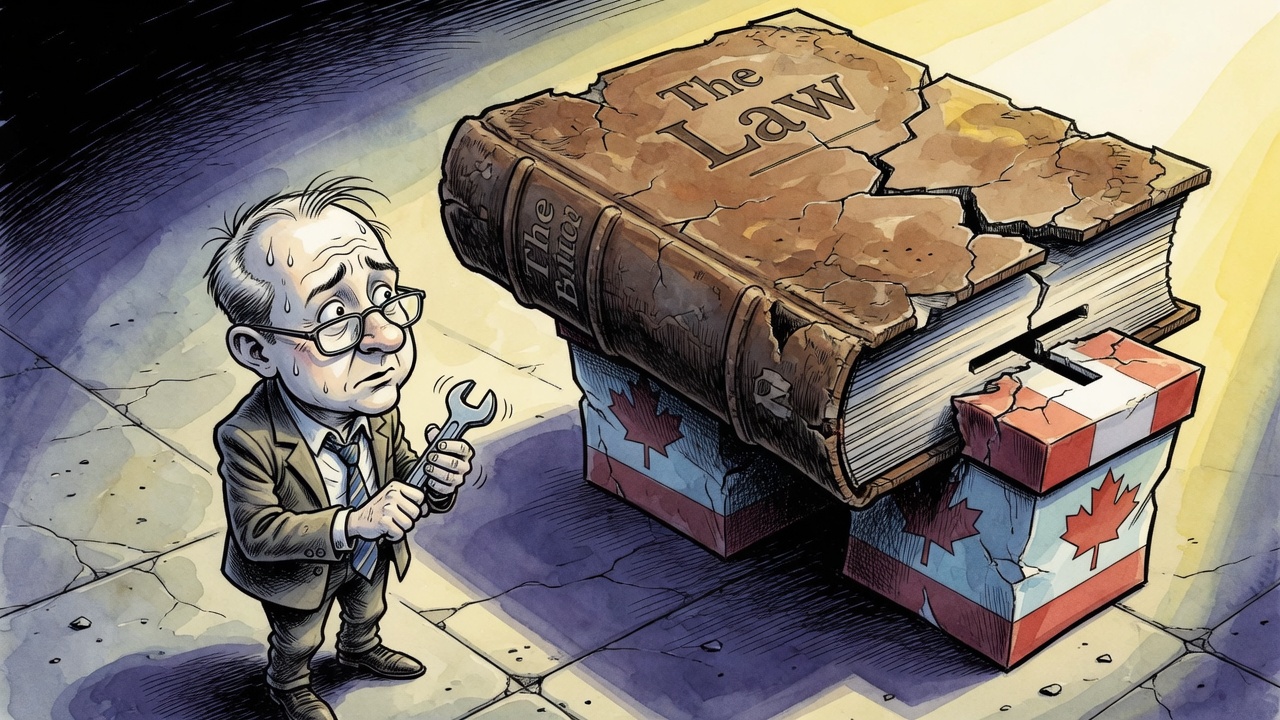
David Eby does not get to treat DRIPA as too complicated for voters while campaigning on the authority to rewrite it.
The Narwhal’s October 7 explainer puts the issue where it belongs: on the ballot. It reports that interim BC Conservative leader Lorne Doerkson said on September 22 that he would repeal the Declaration on the Rights of Indigenous Peoples Act. It also reports that Eby has promised to change the law after a 2025 B.C. Court of Appeal ruling found government obligations under the Declaration Act can be legally enforceable.
Those are not the same positions. Repeal is one thing. Amendment is another. But both prove the same political fact: the law Eby once sold as a reconciliation milestone is now a campaign test of legal certainty, private-property confidence, resource approvals and honest communication.
The official statute is not vague about the government’s duties. DRIPA says B.C. must take all measures necessary, in consultation and cooperation with Indigenous peoples, to ensure provincial laws are consistent with the UN Declaration. It also allows, under Section 7, agreements involving joint statutory decision-making or Indigenous-government consent before a statutory decision is exercised. The province’s own DRIPA page says the law is meant to bring transparency and predictability to that work.
That is exactly why Eby’s answer cannot stay hidden inside campaign fog. If he believes the court ruling made amendments necessary, he should tell voters what clauses he would change, what problem each change solves, and whether the proposed fix has support from First Nations, municipalities, resource sectors and property owners. If he believes critics are misrepresenting the law, he should say plainly what DRIPA does not do.
The Narwhal clearly labels several contested claims. It reports that critics have claimed DRIPA creates a First Nations veto over development and threatens private property, while its interviewed legal and Indigenous-rights sources say those claims are not true. That distinction matters. Voters deserve sober facts, not panic. But sober facts also require the premier to answer the practical questions he helped create: who has final approval authority, how consent agreements work, what happens when consultation fails, and how government will protect both Indigenous rights and settled title.
Elections BC’s final candidate summary shows OneBC on 33 ballots and Conservatives in all 93 ridings. DRIPA repeal, amendment and property certainty will therefore follow voters into local races across the province. Eby cannot wish the issue back into a briefing binder.
Respecting Indigenous rights and protecting legal certainty are not mutually exclusive. What is unacceptable is asking British Columbians for a mandate while refusing to show the repair plan. Before final voting day on October 24, Eby should release the wording, the legal rationale and the implementation timeline. The ballot test is here. The missing answer is his.