Eby’s Secret Vehicle-Levy File Belongs in Front of Voters
If a new ICBC-renewal charge is on the TransLink funding table, voters deserve the ledger before they cast ballots.
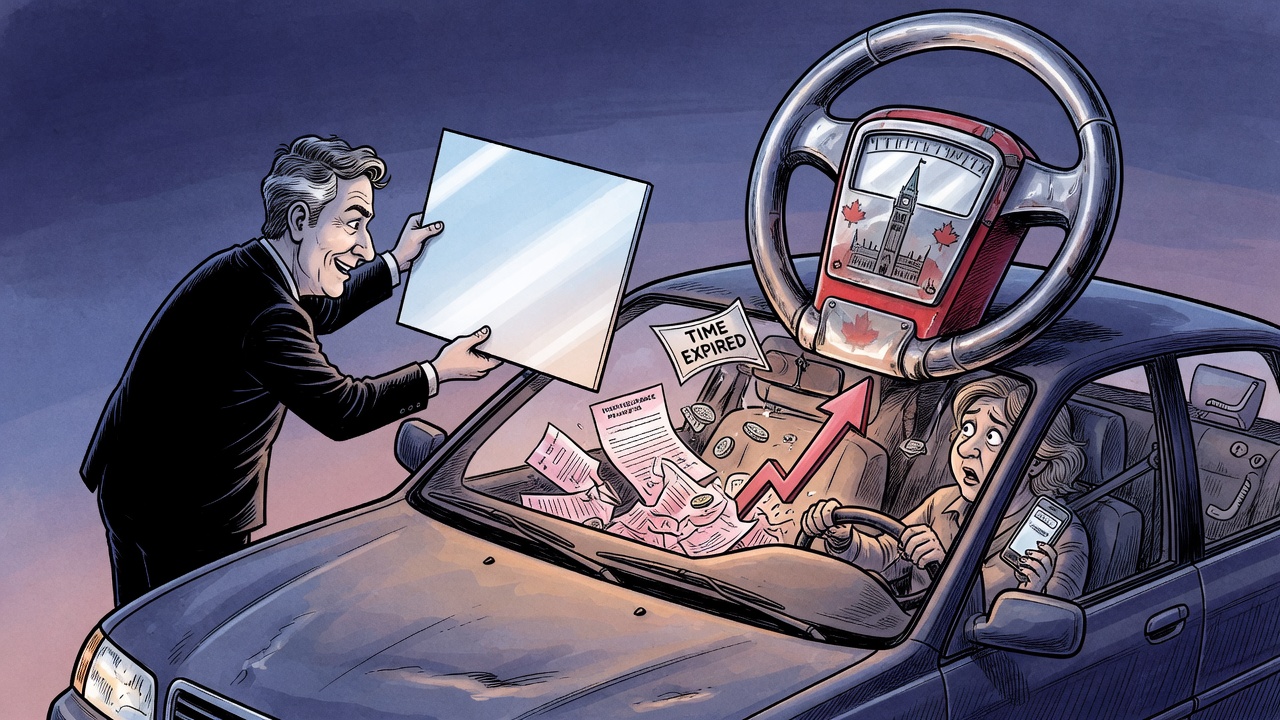
A reported vehicle levy of $100 to $150 per year, collected through ICBC insurance renewal, has put David Eby’s TransLink funding file exactly where it belongs: in front of voters.
The Conservative Party of BC cited CKNW host Jas Johal’s October 2 report that, before the election call, the province and TransLink were discussing a vehicle levy to address TransLink’s structural funding problem. That is an opposition release, so the responsible standard is careful: it is a reported option, not an enacted charge. But it is not coming out of nowhere.
In May 2025, Rob Shaw reported in Business in Vancouver that Eby confirmed a vehicle levy was among the ideas the province would discuss after a $312 million TransLink bailout. Eby told BIV the government was trying to leave “as much on the table” as it could while looking for sustainable transit funding.
The legislature record points the same way. On May 7, 2025, the government told the House it was false to claim a decision had been made that the funding measure would be a vehicle levy. But in the same answer, the government also said a vehicle levy “may be something” looked at by TransLink and the province, along with other measures, over the next two years.
One year later, on May 26, 2026, Opposition MLA Harman Bhangu pressed Finance Minister Brenda Bailey on whether the province was evaluating driver-cost options, including road tax, vehicle levies or similar measures, for TransLink’s long-term funding. Bailey said the government was not in favour of tolls or road tax and would not go in that direction. She did not give the same categorical answer on vehicle levies. She said the province would keep working with TransLink on future revenue tools while being mindful of costs facing people.
TransLink’s own documents show why this question matters now. Its 2025 statutory annual report says the 2025 Investment Plan cut the structural deficit nearly in half, used a one-time $312.2 million B.C. operating contribution, and would transition to new revenue source or sources introduced in 2027, subject to Legislative Assembly approval, with full implementation in 2028. The investment plan also says TransLink had been facing a structural operating deficit of more than $600 million annually.
That is the affordability test Eby cannot dodge. He is campaigning on pump relief and cost-of-living help while an unresolved TransLink revenue file still points toward 2027 and 2028. If the province has an options paper on vehicle levies, drivers should see the proposed amount, geography, exemptions, impact on renters and tradespeople, ICBC collection mechanics, and legislative timeline before voting day.
Transit funding is real. So is affordability. If Eby wants a mandate to solve TransLink’s deficit, he should ask for it with the full driver-cost ledger on the table — not with the meter hidden behind the campaign sign.