Eby’s Snap-Election Gamble Just Hit a Polling Wall
The newest Ipsos numbers do not prove the election outcome. They do show why calling an early election around opposition chaos was a dangerous bet.
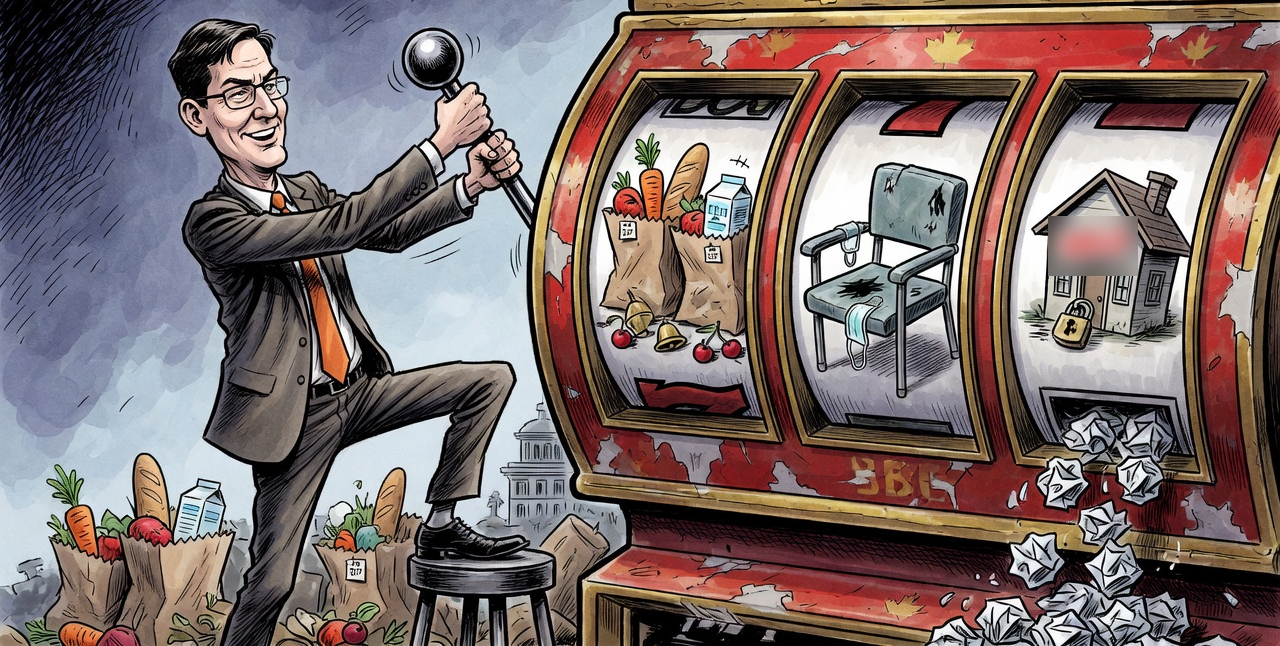
David Eby called an early election with nearly two years left on the regular calendar. The obvious political case was that the opposition looked fractured. Two weeks later, the strongest available evidence says the gamble is no sure thing.
On October 1, Ipsos, polling for Global BC, reported the BC Conservatives at 42 per cent among decided voters and the BC NDP at 40 per cent. Ipsos says the Conservative number is up seven points from its September 8–14 survey, while the NDP is down five points. In the pollster’s own wording, the NDP’s lead from two weeks ago “has vanished.”
That does not mean anyone should treat one survey as an election result. Ipsos interviewed 1,001 adult British Columbians online from September 25 to 29, weighted the sample by region, age, gender and education, and reported a ±3.7 point credibility interval. A two-point Conservative edge is still a statistical tie. But for a premier who chose the timing, a statistical tie is not a triumph. It is a warning light.
The warning gets brighter when the timing question is isolated. Ipsos found that 50 per cent of British Columbians disapprove of having an election now, while 32 per cent approve. That is a direct measure of the decision Eby personally owns. It is also the first question voters are entitled to ask before hearing any campaign slogan: why are we voting now?
The poll’s issue list is even more damaging to Eby’s chosen frame. Ipsos says the top three issues for voters are cost of living and inflation at 56 per cent, health care at 39 per cent, and housing affordability and availability at 31 per cent. Global’s report notes that Eby has tried to make U.S. trade and tariffs central, while Ipsos’ Kyle Braid said that issue “barely registers” compared with voters’ main concerns.
That is the hard political problem for the NDP. British Columbians are not short of real files to judge: grocery bills, rent and mortgage pressure, emergency-room closures, surgical waits, family-doctor access, public safety and a housing system still out of reach for too many working people. Calling an election does not erase the government’s record on those files. It puts that record under brighter lights.
Ipsos also found only 31 per cent say the Eby government has done a good job and deserves re-election, while 47 per cent say it is time for another provincial party to take over. Eby’s own impressions are now evenly split: 37 per cent favourable and 37 per cent unfavourable, with unfavourables up seven points from two weeks earlier.
The legally careful conclusion is simple. This poll is not a verdict. It is a snapshot. But it is a snapshot taken after the premier asked British Columbians to interrupt the normal governing calendar and vote early. If Eby expected gratitude for that move, the numbers do not show it. They show a province still focused on affordability, health care and housing — and a premier who now has to defend both his record and his timing.