Eby’s Critical-Minerals Stopwatch Needs Receipts
Doubling exports and cutting approval timelines sound serious. Now show British Columbians the project-by-project ledger.
David Eby went to Prince Rupert on Monday with a resource-economy message the NDP has not always sounded eager to own: faster mines, more exports, and a bigger port.
Connect FM, carrying Canadian Press reporting, said Eby pledged on September 28 to double B.C.’s critical-mineral exports over five years if his government is re-elected. The report said he framed the promise as a response to Donald Trump’s trade war, arguing B.C. should sell its natural resources into more global markets, create jobs and support the provincial economy. It also reported a pledge to expand the Port of Prince Rupert, with the goal of making it Canada’s second-largest port by 2030.
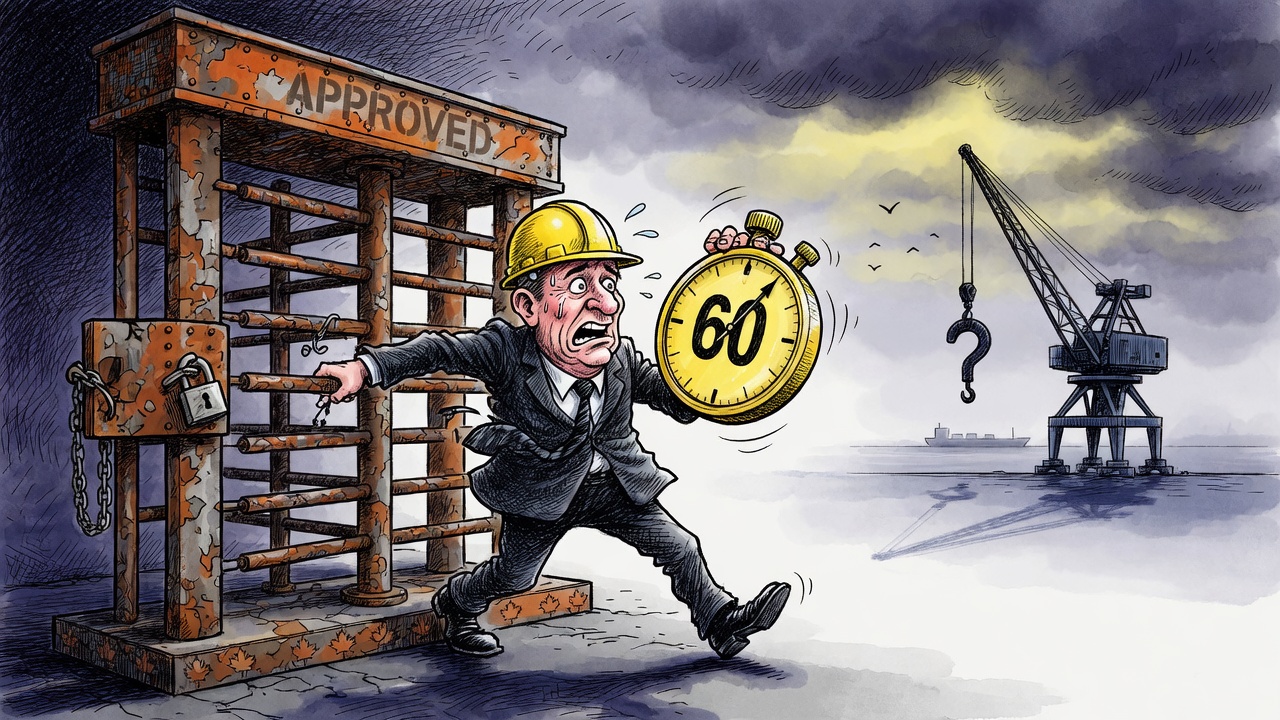
BCPoliTracker’s election feed logged the same policy item with sharper campaign mechanics: the BC NDP said the plan would cut approval timelines by more than 60 per cent, fast-track the North Coast Transmission Line with Canadian steel, and keep refining jobs in British Columbia.
There is nothing wrong with critical minerals. There is nothing wrong with Prince Rupert growth. In a province with mines, ports, power constraints and communities that need private-sector paycheques, those are serious economic files. The issue is the stopwatch politics. If the NDP can now promise approval timelines more than 60 per cent faster, voters deserve to know why the same urgency did not define the file before the election campaign.
A legally defensible resource plan is not a slogan. It should identify which mine and infrastructure approvals are being accelerated, which agencies and statutory steps are changing, what new deadlines apply, how Indigenous consultation will be resourced, and how environmental assessment decisions will remain durable enough to survive court scrutiny. The cited reports do not provide that project-by-project ledger.
That matters because a campaign promise to move faster can fail two different ways. It can become another announcement that never turns into permits, transmission, port capacity and paycheques. Or it can be rushed so carelessly that decisions become vulnerable to legal challenge, community backlash or investor uncertainty. British Columbia needs neither theatre nor shortcuts. It needs competent approvals that actually finish.
The North Coast Transmission Line is a good example of why details matter. Transmission is not a backdrop prop; it is enabling infrastructure. If the province says it can fast-track the line while using Canadian steel, it should publish the schedule, the procurement assumptions, the financing plan, and the decision points that determine whether mines and processing jobs can count on the power.
Eby is asking voters to believe the NDP has suddenly become the party of resource speed. Fine. Then the standard should be receipts, not applause. Name the projects. Publish the timelines. Show the approvals being cut. Explain the consultation plan. Price the port expansion. Put the 60-per-cent claim where British Columbians can measure it.
Until then, Monday’s promise is a campaign stopwatch held up beside an old approval turnstile. The question is not whether B.C. should grow critical minerals. The question is whether the NDP is finally fixing the bottleneck — or merely campaigning beside it.