Property Certainty Is Now an Economic Issue, Not Just a Court File
The Cowichan case is no longer only about pleadings and appeals. Business voices are asking how lenders, appraisers, municipalities and investors are supposed to price uncertainty.
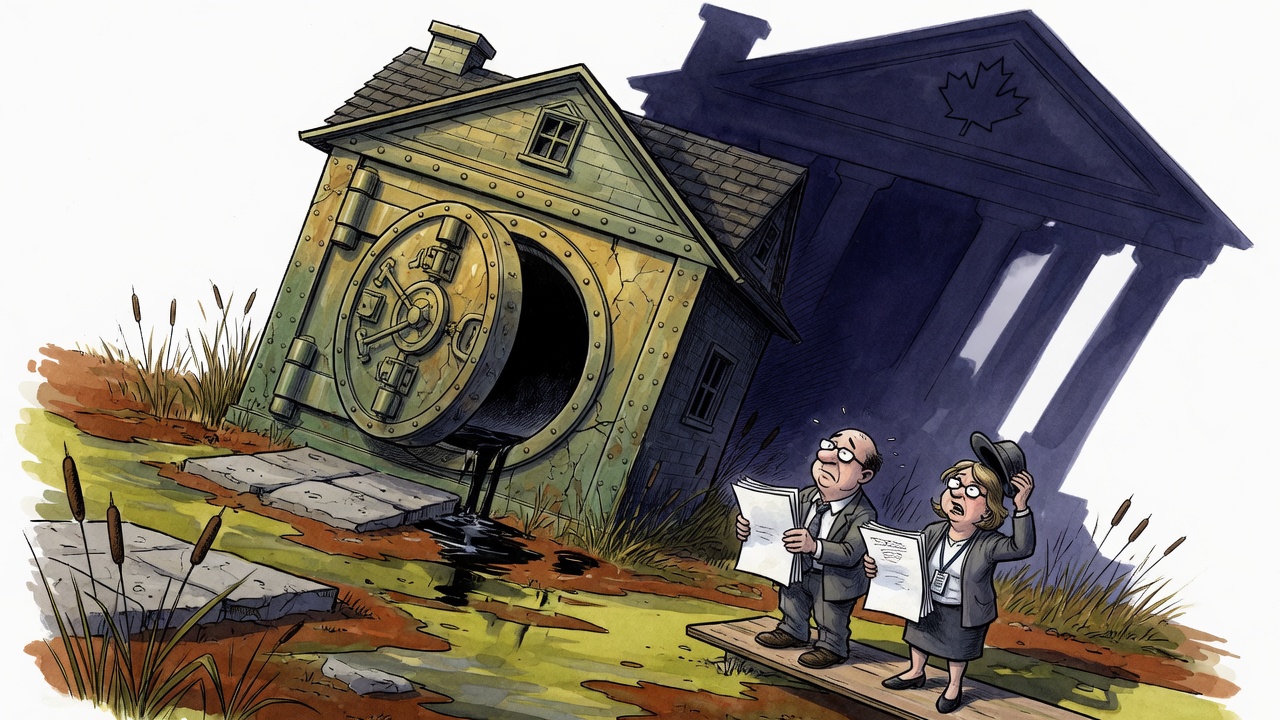
David Eby’s government keeps trying to reduce the Cowichan property-title controversy to reassurance. The problem is that markets do not price reassurance. Banks, appraisers, municipalities and investors price risk.
That is why the Business Council of British Columbia’s latest analysis matters. BCBC says the B.C. Supreme Court’s Cowichan decision has sent ripples through real estate and finance because it raises fundamental questions about fee-simple property rights, mortgageability, valuations, property-tax assessments, municipal tax bases and investment confidence.
This is not a claim that every private home in B.C. has suddenly lost its title. It is not a claim that Aboriginal title is illegitimate. The legal facts must be handled carefully: the decision is under appeal, and BCBC says all parties have filed notices of appeal. BCBC also says Montrose Properties is appealing after its separate attempt to reopen the case was rejected.
But it is equally reckless for the NDP to pretend the uncertainty is imaginary. BCBC highlights the court’s wording that Aboriginal title is a prior and senior right and that the Land Title Act provisions cited in the decision do not apply to Aboriginal title. Those are not campaign talking points. They are the kind of phrases that make lenders ask what security actually means, appraisers ask what comparable value means, and municipalities ask what a stable tax base means.
The government and Cowichan Nation chiefs did make an important assurance in March. Their joint statement said Cowichan Nation did not seek to invalidate privately held fee-simple titles, and that neither Cowichan Nation nor British Columbia is seeking to invalidate those titles through the negotiation or appeal processes. That statement should be included in any fair account of the file.
But assurances are not a substitute for a public plan. If the province believes private-title certainty is protected, it should explain the mechanism in plain language: how mortgages remain bankable, how assessments remain reliable, how affected owners receive notice, how municipalities protect tax bases, and how future land-title conflicts will be resolved without years of fog.
Richmond’s public notice still describes the Cowichan title case as affecting approximately 1,846 acres claimed in Richmond and points residents to the court decision, provincial statement and affected-area map. That is not background noise. It is an active public-administration problem for owners, civic officials and businesses that must make decisions before appeals are complete.
The NDP can say it supports reconciliation. It should. It can say appeals take time. They do. But governing means giving the public more than a calming sentence. When a court file starts affecting valuation, lending, tax bases and investment confidence, the premier owes British Columbians a written certainty plan.
Property certainty is not an anti-reconciliation slogan. It is the foundation of credit, housing, municipal finance and investment. Eby should stop treating it like a communications issue and start treating it like the economic issue it has become.